Enhancing visual content through artificial intelligence offers exciting opportunities to elevate the quality and appeal of images and videos. As technology continues to advance, understanding how to effectively leverage AI tools and techniques becomes essential for content creators aiming to stand out in a crowded digital landscape.
This overview explores the foundational principles of AI in visual enhancement, compares traditional and AI-driven methods, reviews popular tools and techniques, and provides best practices to achieve authentic and impressive results.
Foundations of AI in Visual Content Enhancement
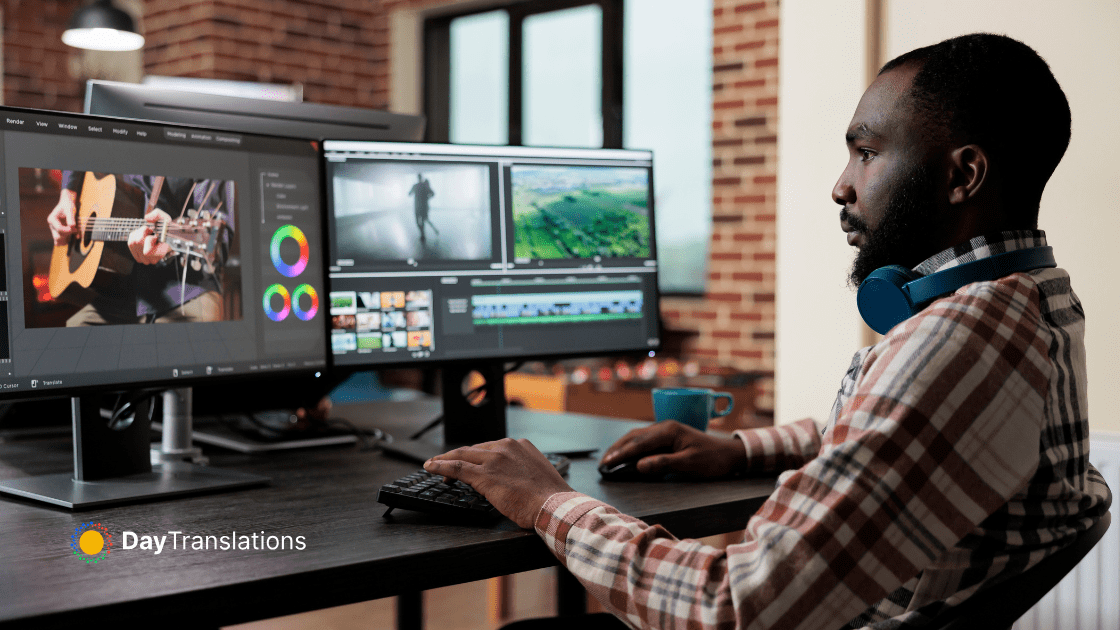
Artificial intelligence (AI) has transformed the landscape of visual content creation and improvement by providing advanced tools that significantly elevate image quality, clarity, and aesthetic appeal. Understanding the core principles behind AI-driven enhancements is essential for leveraging these technologies effectively. These foundational concepts underpin the development of algorithms that automate complex editing tasks, making high-quality visual content more accessible and efficient.
At the heart of AI-based visual enhancement are algorithms that mimic human perception and decision-making processes. These utilize a combination of neural networks, deep learning models, and pattern recognition techniques to analyze, interpret, and modify visual data. The continuous evolution of these models facilitates sophisticated tasks such as noise reduction, color correction, super-resolution, and object removal, often surpassing the capabilities of traditional manual editing methods.
Core Principles of AI in Visual Content Enhancement
AI applications in visual enhancement rely primarily on the following core principles:
- Pattern Recognition: AI systems identify patterns within images, such as textures, edges, and color gradients, which enables targeted improvements without manual input.
- Learning from Data: Deep learning models are trained on vast datasets containing high-quality and degraded images, allowing the AI to learn the nuances of image quality and optimal enhancement strategies.
- Automation and Adaptability: AI algorithms adapt to various image types and conditions, providing consistent results across diverse visual content.
- Predictive Modeling: Using previous data, AI predicts the most probable enhancements or corrections necessary for a given image, streamlining the editing process.
AI Algorithms for Image Enhancement
Several sophisticated algorithms drive the capabilities of AI in visual content improvement, each suited for specific tasks:
| Features | Tools | Advantages | Limitations |
|---|---|---|---|
| Neural Networks | Convolutional Neural Networks (CNNs), Recurrent Neural Networks (RNNs) | Excellent at extracting features, handling complex patterns, and improving resolution | Require large datasets and computational resources; risk of overfitting |
| Deep Learning Models | Generative Adversarial Networks (GANs), Autoencoders | Produce highly realistic and detailed enhancements, such as realistic texture synthesis | Training can be unstable; sometimes generate artifacts or unrealistic results |
| Super-Resolution Algorithms | SRGAN, ESRGAN | Enhance image resolution effectively, enabling large prints or detailed zooms | May introduce unnatural artifacts if not properly tuned |
| Noise Reduction Techniques | Denoising autoencoders, Non-local means, Deep neural denoisers | Significantly reduce grain and sensor noise, improving clarity | Potential loss of fine details if over-applied |
Compared to traditional visual editing methods, which depend heavily on manual adjustments and expert skill, AI-driven techniques offer automation, speed, and often superior quality. Traditional editing tools like Photoshop require meticulous manual work for tasks such as sharpening, color correction, or removing imperfections. In contrast, AI models can perform these tasks rapidly and with minimal user intervention, often delivering more natural and visually appealing results.
“AI algorithms learn from vast amounts of data to emulate and sometimes surpass manual editing precision, revolutionizing visual content enhancement.”
AI-Generated Creative Visual Effects

Advancements in artificial intelligence have revolutionized the way artists and content creators develop visual effects, allowing for the production of highly artistic and distinctive styles with unprecedented efficiency. AI-powered tools enable users to generate innovative visual effects that blend artistic sensibilities with technological capabilities, expanding creative horizons beyond traditional manual methods. This convergence of technology and creativity opens new pathways for producing captivating images and videos that resonate with diverse audiences.
Compared to manual editing techniques, AI-generated effects significantly reduce production time while offering a broader spectrum of creative possibilities. Traditional methods often require extensive skill, time, and iterative adjustments, which can limit experimentation. In contrast, AI-driven approaches automate complex processes such as style transfer, pattern synthesis, and effect application, enabling rapid prototyping and quick iteration. This synergy accelerates workflows, enhances creative exploration, and allows artists to focus more on conceptual development rather than technical execution.
AI-Driven Style Transfer Methods and Use Cases
Several style transfer techniques have emerged as key tools in creating artistic visual effects, each suited to different types of projects and desired outcomes. Below are some of the most common AI-driven style transfer methods along with their typical use cases:
- Neural Style Transfer: This method applies the artistic style of one image (such as a painting) to another, preserving the content while transforming the style. It is widely used for creating artistic portraits, transforming photographs into artwork in the style of Van Gogh or Picasso, and enhancing visual storytelling in videos.
- Deep Dream: Originally developed to visualize neural network features, Deep Dream produces surreal, dream-like images characterized by intricate patterns and abstract forms. It is popular for experimental art projects and generating psychedelic visual effects that evoke a sense of wonder.
- CycleGAN: This technique enables translation between different visual domains without paired datasets, such as converting daytime scenes into nighttime or turning sketches into realistic images. It is especially useful in film post-production, video game asset creation, and immersive virtual environments.
- StyleGAN: Known for generating highly realistic human faces or objects, StyleGAN can also be manipulated to create stylistic variations. Its applications include character design in gaming, personalized avatars, and fashion visualizations.
- Artistic Effect Synthesis: This approach combines multiple AI models to generate unique visual effects, such as animated painterly strokes or abstract visualizations, often used in digital art installations and experimental video productions.
“AI-driven style transfer techniques empower creators to produce diverse visual effects rapidly, fostering innovation and enabling new artistic expressions that were previously labor-intensive or unattainable.”
Best Practices for Using AI to Enhance Visual Content
Maximizing the potential of AI-driven visual content enhancement requires adherence to established best practices. These guidelines help ensure that enhancements are both effective and authentic, preserving the integrity of the original content while leveraging AI capabilities to enhance visual appeal and clarity.
Implementing these practices involves careful selection of appropriate tools, thoughtful adjustment of settings, and a clear understanding of the desired outcome. By following these foundational principles, content creators and developers can achieve high-quality results that meet professional standards and audience expectations.
Guidelines for Maximizing AI Effectiveness While Maintaining Authenticity
Achieving a balance between enhancement and authenticity is critical to prevent over-processing or distortion of visual content. The following guidelines serve as a framework for maintaining this equilibrium:
- Preserve Original Attributes: Always aim to retain natural colors, textures, and proportions unless specific stylistic effects are desired. Over-enhancement can lead to unnatural appearances, diminishing credibility.
- Apply Incremental Adjustments: Use iterative processing—making small, controlled changes—to monitor effects closely. This approach reduces the risk of overcorrection and helps maintain an authentic look.
- Validate Enhancements: Regularly compare AI-enhanced outputs with original content to ensure enhancements align with the intended aesthetic or functional goals. Employ visual comparison tools or side-by-side displays for accuracy.
- Be Transparent: For professional or commercial use, disclose the use of AI enhancements to maintain trust and transparency with audiences or clients.
- Stay Updated: Continuously monitor advancements in AI tools and techniques to adopt newer, more refined methods that better balance quality and authenticity.
Procedures for Selecting Appropriate AI Tools Based on Content Type and Desired Outcome
Choosing the right AI tools is essential for achieving optimal results tailored to specific content types and enhancement goals. The selection process should consider the nature of the visual material and the desired effect:
- Identify Content Characteristics: Determine whether the content is photographic, illustrative, animated, or a combination. Consider factors such as resolution, color depth, and complexity of details.
- Define Enhancement Goals: Clarify whether the objective is noise reduction, color correction, resolution upscaling, stylistic effects, or a combination thereof. Clear goals guide tool selection.
- Evaluate AI Capabilities: Review functionalities of available AI tools, such as neural network-based enhancement, style transfer, or super-resolution. Prioritize tools with proven track records and user reviews.
- Assess Compatibility and Workflow Integration: Ensure selected tools integrate smoothly into existing workflows and support desired formats and outputs.
- Experiment and Validate: Conduct trial runs with different tools to compare results, ensuring the chosen solution meets quality standards and aligns with the content type and goals.
Recommended Settings and Parameters for Different Enhancement Scenarios
Adjusting settings and parameters appropriately for each enhancement scenario maximizes AI effectiveness. Below are organized recommendations based on common scenarios:
Note: These settings serve as general guidelines; fine-tuning is essential based on specific content and desired output quality.
| Scenario | Recommended Settings | Notes |
|---|---|---|
| Noise Reduction in Low-Light Photography |
|
Adjust to prevent loss of fine details while reducing graininess. |
| Resolution Upscaling for Web Graphics |
|
Balance between sharpness and natural appearance is crucial. |
| Color Enhancement for Product Images |
|
Ensure colors remain true to the actual product for accurate representation. |
| Artistic Style Transfer for Creative Visual Effects |
|
Experiment with different style weights to achieve desired artistic effect. |
Conclusion

In conclusion, utilizing AI to enhance visual content unlocks a realm of creative possibilities while streamlining editing processes. By adopting the right tools and techniques, content creators can produce visually compelling materials that captivate audiences and elevate their digital presence.