Discover how to create seminar slides with AI and transform your presentation preparation process. Leveraging artificial intelligence tools can significantly enhance the efficiency and creativity of developing engaging slides. This approach not only streamlines content generation and visual design but also offers innovative features that elevate your seminar experience.
By understanding the foundational principles of integrating AI into slide creation, selecting suitable platforms, and employing best practices, you can produce professional and captivating presentations. Whether planning content, designing visuals, or adding interactive elements, AI-powered solutions provide valuable support at every stage, making your seminars more impactful and memorable.
Understanding the Basics of Creating Seminar Slides with AI

In the evolving landscape of presentation design, integrating Artificial Intelligence (AI) tools has become a transformative approach to crafting compelling seminar slides. Recognizing the foundational principles of AI-assisted slide creation empowers presenters to harness technology effectively, ensuring their messages are delivered with clarity, engagement, and visual appeal.
Leveraging AI in slide development offers numerous advantages. It streamlines the workflow, reduces the time spent on design, and enhances creativity through intelligent suggestions. This integration not only facilitates the generation of content but also ensures consistency and professionalism across all slides, making seminars more impactful and memorable.
Fundamental Principles of AI Integration in Slide Creation
Integrating AI tools into seminar slide workflows involves understanding how these technologies complement traditional design processes. AI systems utilize machine learning algorithms to analyze vast amounts of data, enabling them to generate relevant content, recommend design layouts, and source appropriate images seamlessly. The key is to view AI as an assistant that enhances productivity rather than replacing human creativity.
Advantages of Using AI for Seminar Presentations
Adopting AI-driven tools provides several significant benefits, including:
- Efficiency: Automates repetitive tasks such as formatting, layout suggestions, and content generation, saving valuable time.
- Consistency: Maintains uniform design elements, color schemes, and font styles throughout the presentation.
- Creativity Enhancement: Offers innovative design ideas and visual elements that might not be immediately apparent through manual efforts.
- Content Optimization: Assists in refining language, structuring information clearly, and ensuring key points are emphasized effectively.
Common AI Features Useful for Slide Development
Modern AI tools incorporate several features that significantly simplify and improve the slide creation process. Understanding these features helps in selecting the right tools for specific needs:
| Feature | Description | Application Example |
|---|---|---|
| Content Generation | AI algorithms assist in creating textual content, summaries, bullet points, and even full paragraphs based on given topics or datasets. | Generating concise summaries of complex research data for presentation slides. |
| Design Recommendations | Provides layout suggestions, color schemes, font pairings, and visual hierarchy to enhance readability and aesthetic appeal. | Recommending a clean and professional template suitable for business seminars. |
| Image Sourcing and Creation | Utilizes AI to find relevant images, generate custom illustrations, or enhance visuals to match slide content. | Creating infographics from data or sourcing high-quality images that align with the presentation theme. |
| Speech Synthesis and Text-to-Speech | Converts written content into natural-sounding audio to supplement slides or assist in rehearsal. | Generating voice-over narrations for self-running presentations or practice sessions. |
Employing AI features in slide creation enhances both the efficiency and effectiveness of seminar presentations, making them more engaging and professionally polished.
Selecting AI Tools and Platforms for Seminar Slide Creation
Choosing the right AI-powered presentation software is a pivotal step in streamlining the creation of engaging and professional seminar slides. An appropriate selection not only enhances visual appeal but also ensures compatibility with existing workflows and technical environments. Understanding the variety of available tools and the criteria for selection empowers presenters to optimize their presentation development process effectively.
In the rapidly evolving landscape of AI-driven presentation tools, several platforms stand out due to their unique functionalities and user-centric features. These tools often incorporate features such as automated content generation, intelligent design suggestions, and real-time editing assistance. Selecting a platform that aligns with your specific presentation needs—from simple informational slides to complex data visualizations—is essential for maximizing efficiency and impact.
Overview of Popular AI-Powered Presentation Software Options
Several AI-enabled platforms have gained prominence for their ability to simplify and elevate slide creation. A brief overview of notable options includes:
| Platform | Key Functionalities | Unique Benefits |
|---|---|---|
| Beautiful.ai | Automated slide design, intelligent templates, content suggestions | Focuses on maintaining visual consistency and professional aesthetics effortlessly |
| Designs.ai | AI-powered logo, video, and presentation creation with customizable templates | Provides a comprehensive suite for multimedia content integration |
| Canva with AI features | Drag-and-drop interface enhanced with AI design suggestions, image enhancement | User-friendly, versatile, suitable for quick and visually appealing slides |
| Mmhmm | Enhances live presentations with AI-driven visuals, audience engagement tools | Ideal for interactive and dynamic seminar presentations |
| BeautifulSlides (by Beautiful.ai) | AI-driven layout suggestions, automatic alignment, theme adaptation | Streamlines slide consistency and professional look without manual adjustments |
Each of these tools offers distinct functionalities tailored to different presentation styles and technical expertise levels. Selecting among them involves evaluating which features align with your seminar’s goals and your familiarity with digital tools.
Criteria for Choosing Appropriate AI Tools
When selecting an AI platform for seminar slide creation, it is vital to consider factors that match your specific presentation requirements and technological environment. The following criteria serve as a guide for making an informed decision:
- Purpose and Scope of the Presentation: Determine whether the platform supports the complexity of your content, such as data visualizations, multimedia integration, or interactive elements.
- Ease of Use and Learning Curve: Assess the user interface, availability of tutorials, and community support to ensure efficient adoption, especially if new to AI tools.
- Compatibility with Devices and Software: Verify that the platform integrates seamlessly with your existing hardware (e.g., Windows, Mac, tablets) and software ecosystems (e.g., Microsoft PowerPoint, Google Slides).
- Customization and Flexibility: Consider the level of control over design elements, content editing, and template modifications to tailor slides to your seminar’s branding and content style.
- Cost and Subscription Models: Evaluate pricing plans in relation to your budget, including free tiers, pay-per-use options, or subscription plans with premium features.
- Support and Updates: Preference should be given to platforms that offer reliable technical support, regular updates, and security features.
Setting Up Accounts and Configuring AI Platforms for Optimal Slide Creation
Effective utilization of AI-powered presentation tools requires proper setup to maximize their potential. The initial configuration process is typically straightforward but essential for smooth workflow integration.
- Account Registration: Create an account on your chosen platform through their official website or app. This process often involves providing basic contact information, email verification, and choosing a subscription plan if necessary.
- Integration with Existing Tools: Connect your AI platform with relevant applications such as cloud storage services (Google Drive, OneDrive), presentation software (PowerPoint, Google Slides), or multimedia libraries for easier content management.
- Customization of Settings: Adjust preferences such as default templates, color schemes, font styles, and layout options to align with your seminar branding or personal style.
- Training and Tutorials: Utilize available tutorials, webinars, or support resources to familiarize yourself with platform features, shortcuts, and best practices for slide creation.
- Template Selection and Content Upload: Choose suitable templates or create custom ones, then upload or input your content to begin the slide development process, leveraging AI suggestions as applicable.
Proper setup ensures that the AI tools operate efficiently, saving time and reducing technical issues during the slide creation process. Regular updates and configuration reviews are recommended to keep the platform aligned with your evolving presentation needs.
Planning Content Structure with AI Assistance
Effective seminar presentations require a well-organized content structure that clearly conveys key messages while engaging the audience. Leveraging AI tools can significantly streamline the process of developing a logical and cohesive slide sequence. By inputting seminar topics and objectives into AI systems, presenters can generate tailored content Artikels, identify essential points, and visualize the overall flow of the presentation. This approach ensures that each section naturally transitions to the next, maintaining coherence and reinforcing learning outcomes.
AI-driven content planning not only automates the initial drafting but also offers suggestions for grouping related ideas, emphasizing critical data, and designing visual aids that complement the narrative. The following template demonstrates how AI can assist in structuring seminar content efficiently, organizing key sections, supporting data, and visual ideas in a clear tabular format. This organized approach facilitates review, refinement, and customization to suit specific audience needs or presentation styles.
Structuring Content with AI-Generated Suggestions
Using AI, seminar organizers can input core topics and learning objectives to receive a detailed content Artikel. These AI suggestions help in defining the logical sequence of slides, ensuring a smooth flow from introduction to conclusion. To maximize clarity, it is advisable to review the AI-generated suggestions critically, verifying that each section aligns with seminar goals and that the sequence builds upon prior information cohesively.
“Ensuring logical flow involves verifying that each slide naturally leads to the next, with clear connections between concepts and supporting data.”
Strategies such as grouping related points into thematic sections, using transition slides, and maintaining consistent visual themes help reinforce coherence. Additionally, incorporating visual ideas suggested by AI—such as infographics, charts, and diagrams—can enhance comprehension and retention. Regularly reviewing and adjusting the slide sequence based on audience feedback or rehearsal insights further refines the presentation’s flow and impact.
| Section | Key Points | Supporting Data | Visual Ideas |
|---|---|---|---|
| Introduction | Present seminar objectives, Artikel scope, and relevance | Statistics highlighting the importance of the topic; industry trends | Title slide with seminar theme imagery; infographic of key statistics |
| Background and Context | Provide historical background and current context of the subject | Timeline of developments; recent case studies | Timeline diagram; comparative charts showing past vs. present data |
| Main Content | Discuss core concepts, methodologies, or case studies | Data tables; research findings; expert opinions | Infographics illustrating processes; charts comparing outcomes |
| Implications and Applications | Highlight practical applications; future trends | Forecast data; success stories; application examples | Flowcharts of process applications; trend projection graphs |
| Conclusion | Summarize key points; reinforce seminar objectives | Recap bullets; call-to-action statements | Summary slide; visual summary diagram |
By employing AI to generate and organize these content sections, presenters can ensure their seminar slides are logically structured, engaging, and aligned with their educational goals. Regular validation of AI suggestions against seminar objectives is essential to maintain relevance and clarity throughout the presentation.
Designing Visuals and Layouts with AI
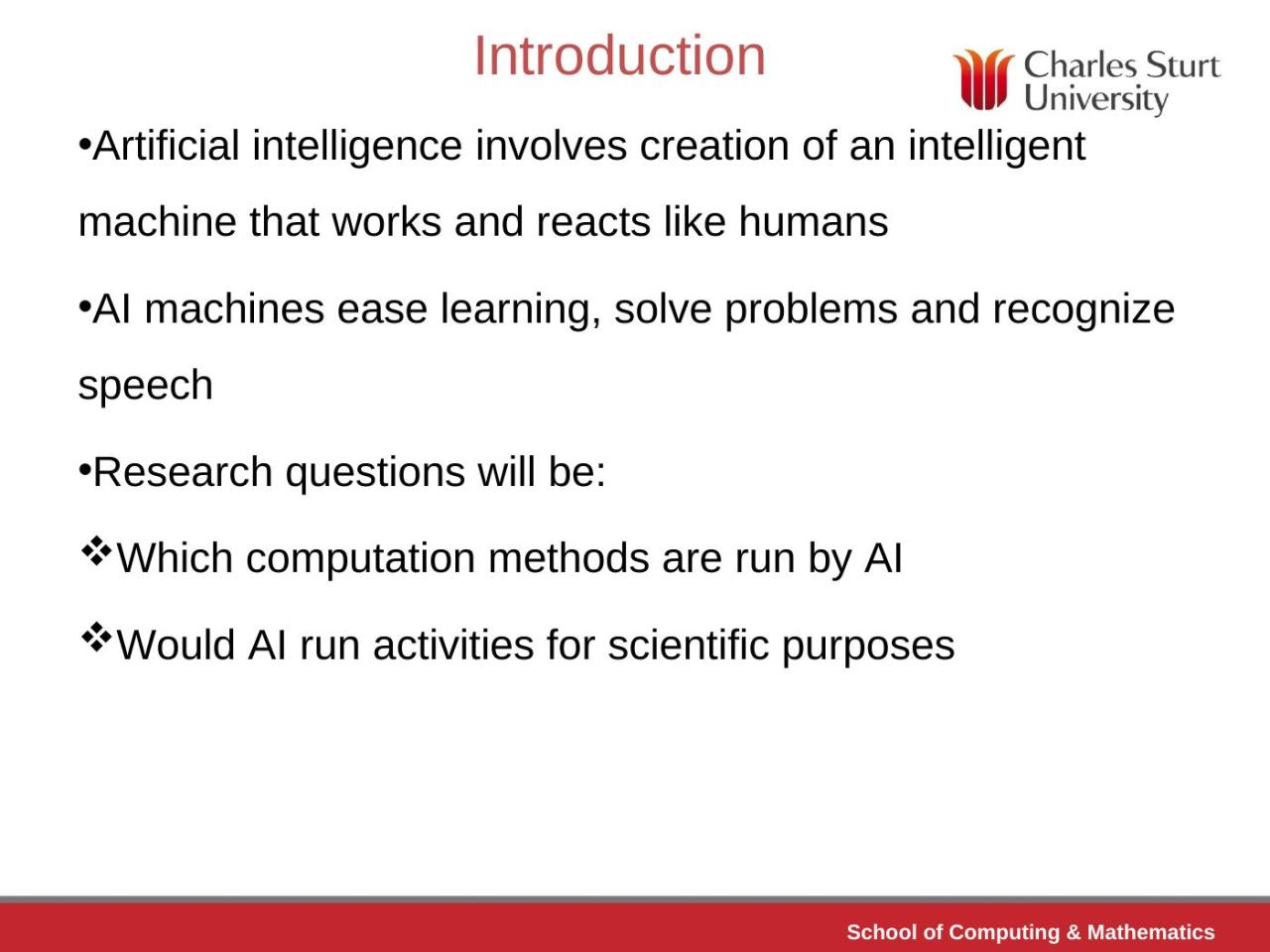
Creating visually engaging and well-structured slides is essential for effective seminar presentations. Leveraging AI tools can streamline the process of sourcing high-quality visuals, organizing layouts, and ensuring a cohesive aesthetic that enhances understanding and retention. Incorporating AI-driven design techniques helps presenters craft professional-looking slides efficiently, allowing more focus on content delivery while maintaining visual appeal.AI can assist in generating or sourcing relevant images, icons, and diagrams that align with the presentation’s themes.
By analyzing the textual content, AI tools can suggest or automate the selection of visuals that reinforce key messages. Additionally, AI can suggest optimal layouts by organizing visual elements—such as images, text blocks, and icons—into slides with balanced composition, appropriate placement, and harmonious color schemes. This approach ensures each slide maintains clarity and visual interest, avoiding clutter and overload.Effective slide design with AI involves thoughtful use of visual frameworks and principles.
Below are examples of layout frameworks and techniques that can be applied:
Techniques for Designing Visuals and Layouts with AI
Utilizing AI in visual design enhances the aesthetic appeal and clarity of seminar slides. The following strategies exemplify how AI can underpin effective visual organization:
- Generate slide backgrounds that complement content: AI can produce subtle, professional backgrounds that do not distract from the main content, often by analyzing the tone and color palette of the presentation. For example, an AI might create a light gradient background with soft hues for a technology-focused seminar or a textured pattern for creative arts topics.
- Suggest font pairings for readability: AI tools can recommend font combinations that balance aesthetics and legibility, such as pairing a clean sans-serif font for headings with a serif font for body text. This ensures consistency and visual hierarchy across slides.
- Organize images and text for balanced visual appeal: AI can automatically align images alongside text blocks, maintaining appropriate spacing and margins. It can also suggest the optimal positioning to emphasize key points, ensuring that visuals support rather than overpower content.
By adopting these AI-driven design techniques, presenters can create slides that are both visually compelling and easy to follow, ultimately enhancing audience engagement and comprehension.
Layout Frameworks Using AI
Implementing structured layouts with AI guidance ensures consistency and professionalism in all slides. Here are some common frameworks enhanced by AI capabilities:
- Split Layout: Dividing the slide into two or three sections, with visuals on one side and text on the other, facilitates clear communication. AI can suggest the optimal division based on content density and visual weight.
- Z-pattern and F-pattern layouts: These traditional reading patterns guide viewers’ eyes naturally across the slide. AI can analyze content and recommend placement of key elements along these lines for maximum impact.
- Centered Content with Visual Emphasis: Placing main points centrally with supporting visuals around or below creates focus. AI can recommend font sizes, image sizes, and spacing to maintain harmony and emphasis.
Incorporating these frameworks with AI assistance leads to a polished, intuitive presentation design that resonates with audiences and effectively communicates key messages.
Generating Content and Textual Elements with AI
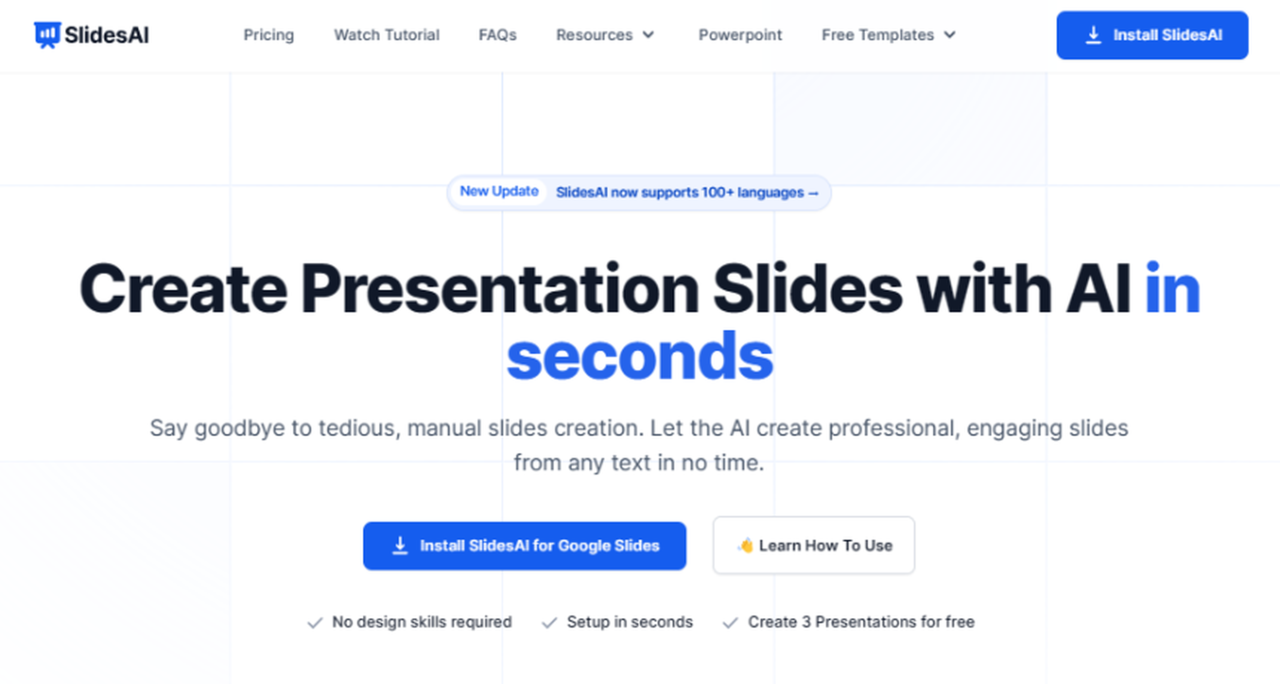
Creating compelling and well-structured textual content is a vital component of effective seminar slide design. Leveraging AI tools to generate engaging titles, bullet points, and summaries can significantly enhance clarity, coherence, and overall impact. This segment explores methods to utilize AI effectively for producing high-quality textual elements that resonate with your audience and support your presentation goals.AI can assist in creating eye-catching titles that capture the essence of each slide, ensuring audience attention and setting a clear focus.
Additionally, AI-generated bullet points serve to distill complex ideas into digestible, impactful statements, facilitating better comprehension. Summaries, generated by AI, offer succinct overviews of topics, aiding in reinforcement of key takeaways and providing structured navigation through your presentation flow.Refining AI outputs is crucial to ensure the textual content aligns with your intent, maintains professionalism, and remains relevant to your seminar objectives.
This involves reviewing the generated content for clarity, eliminating redundancies, and adjusting phrases to enhance conciseness. Ensuring relevance may require editing AI suggestions to better suit your specific audience or context, thereby maximizing engagement and understanding.
AI-generated key points and explanations should be carefully evaluated and edited to improve clarity, eliminate ambiguity, and ensure conciseness. This iterative process helps in tailoring the content to your target audience, maintaining professionalism and relevance throughout your slides.
Cross-referencing data within AI-generated content is essential to uphold accuracy and credibility. Verifying facts and figures against reputable sources ensures your seminar slides are trustworthy and authoritative. Methods include fact-checking AI outputs against published research, official reports, or industry standards. Incorporating multiple sources or datasets can cross-validate information, reducing the risk of inaccuracies. Additionally, using AI tools with integrated fact-checking features or databases can streamline this process, providing an extra layer of verification.Effective generation and refinement of textual elements empower presenters to deliver clear, engaging, and credible seminars.
By utilizing AI thoughtfully and verifying its outputs, you enhance your slides’ informational quality and presentation effectiveness.
Enhancing Interactivity and Engagement Features
Creating an engaging seminar presentation involves more than just visual appeal; integrating interactivity can significantly boost audience participation and retention. Leveraging AI-driven features allows presenters to craft dynamic, responsive slides that captivate attendees and foster active engagement throughout the session. This segment explores methods to incorporate interactive elements such as quizzes, polls, multimedia components, and how to effectively embed them within your presentation framework, ensuring a seamless and impactful delivery experience.Interactivity within seminar slides transforms passive viewers into active participants, making the learning process more memorable and effective.
AI tools offer innovative solutions for designing and integrating these features efficiently, saving time and enhancing the overall quality of the presentation. The goal is to not only inform but also to involve your audience, turning a standard seminar into an engaging dialogue.
Incorporating AI-Driven Interactive Elements
Integrating features such as quizzes and polls enhances audience engagement by providing real-time feedback and fostering interaction. AI-based platforms can automatically generate relevant questions based on your content, ensuring they are contextually appropriate and varied in difficulty. These tools often include options to customize question types, such as multiple-choice, true/false, or open-ended formats, enabling tailored engagement strategies.Using AI, presenters can embed these interactive elements directly into slides with minimal manual effort.
For example, after presenting a concept, an AI tool can suggest inserting a quick quiz to reinforce understanding. The AI platform can also automatically generate alternative versions of questions or adapt difficulty levels based on audience responses. Implementing these features involves selecting appropriate slide locations, designing the questions with AI assistance, and setting up response collection mechanisms to analyze audience input instantly.
Embedding Multimedia Components with AI Suggestions
The inclusion of multimedia components—such as videos, audio clips, animations, and interactive images—greatly enhances the visual appeal and clarity of a seminar presentation. AI tools can analyze your slide content and recommend suitable multimedia elements that complement and illustrate key points. For example, AI might suggest embedding a short explainer video or an animated infographic to elucidate complex data.The process begins with AI analyzing your slide script or content Artikel and identifying segments that could benefit from multimedia support.
It then offers suggestions for relevant media sources or helps generate custom multimedia assets. Once selected, these components can be embedded into the slides through AI-assisted interfaces that ensure proper placement, sizing, and timing. Organizing multimedia within the presentation involves creating designated sections or trigger points where these elements enhance the narrative, maintaining flow and engagement.
Organizing Interactive and Multimedia Features within the Presentation Framework
Effective organization of interactivity and multimedia components requires thoughtful planning to maintain a coherent flow. AI-driven presentation platforms facilitate this by providing templates and layout suggestions that accommodate these features without cluttering slides. When organizing, consider grouping related interactive elements and multimedia within specific sections of the presentation to reinforce key topics systematically.To optimize engagement, position quizzes or polls at strategic points—such as after complex concepts—to reinforce learning and gather immediate feedback.
Embed multimedia components at moments where visual or auditory explanations can clarify difficult points or sustain interest. AI tools can assist in sequencing these features logically, adjusting slide transitions and animations to create smooth interactions. Additionally, tracking audience responses and interactions allows for real-time adjustments, ensuring that the presentation remains responsive and engaging throughout the seminar session.
Finalizing and Exporting Seminar Slides
After designing and developing your seminar slides with AI assistance, the final step involves reviewing, refining, and preparing your presentation for delivery across various platforms. Proper finalization ensures that your content is polished, accessible, and compatible with multiple presentation environments, thereby enhancing overall effectiveness and audience engagement.
Utilizing AI tools for review and export streamlines the process, allowing for quality control, optimization, and adaptability. This segment explores how to effectively finalize your slides, optimize their content, and export them into formats suitable for different presentation scenarios, including considerations for accessibility and mobile compatibility.
Reviewing, Editing, and Optimizing Slide Decks with AI
AI-powered review tools play a crucial role in identifying inconsistencies, grammatical errors, design issues, and content redundancies within your slide deck. These tools can suggest improvements for clarity, conciseness, and visual appeal, ensuring your presentation maintains professionalism and coherence. Additionally, they can analyze slide flow and suggest reordering or restructuring to improve logical progression and audience engagement.
Common AI features include automated spelling and grammar checks, design suggestions for improving readability, and content optimization based on target audience analysis. Some advanced AI tools can also provide feedback on slide contrast and color schemes, helping to enhance accessibility for viewers with visual impairments.
Exporting Slides into Various Formats
Once finalized, slides must be exported into formats compatible with presentation software and delivery environments. The most common formats include:
- PowerPoint (.pptx): Widely used and supported across most presentation hardware and software.
- PDF (.pdf): Suitable for sharing static versions that preserve layout and design, ideal for distribution or printing.
- HTML or web-based formats: Useful for online dissemination or embedding in websites.
- Video formats (e.g., MP4): Allow for a self-contained presentation that can be shared without requiring presentation software.
The export process typically involves selecting the desired format within your AI-enhanced presentation platform, ensuring that all multimedia elements, hyperlinks, and animations are correctly embedded or preserved. Some tools also offer batch export features for multiple formats simultaneously, increasing efficiency.
Creating Accessible and Mobile-Friendly Versions
Accessibility considerations are vital to ensure your slides can be viewed and understood by all audience members, including those with disabilities. Mobile-friendly formats allow your presentation to be easily viewed on smartphones and tablets, which are increasingly common presentation devices.
To enhance accessibility, consider the following methods:
- Use AI tools to check for color contrast issues and adjust palettes accordingly.
- Add alt-text descriptions for images and visual elements to aid screen reader users.
- Ensure font sizes are large enough for readability on smaller screens.
- Provide simplified versions or text-only formats for quick viewing on mobile devices.
Creating mobile-optimized slides may involve exporting a lightweight version of the presentation, such as a PDF with simplified design, or utilizing responsive web formats that adapt to different screen sizes. AI-based tools can assist in automatically adjusting layouts and verifying that the content remains clear and engaging across various devices.
Best Practices for Using AI in Seminar Slide Development
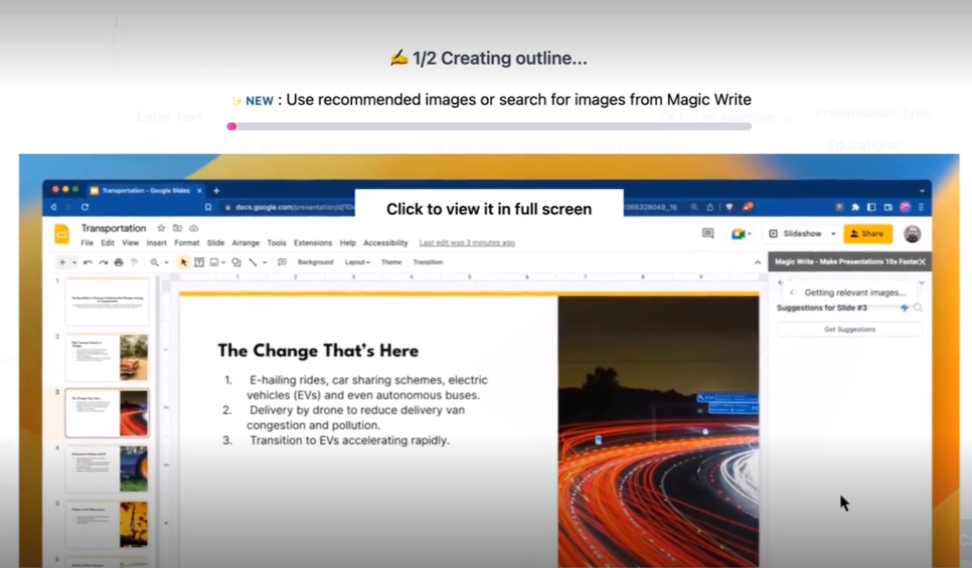
Creating seminar slides with the assistance of AI can significantly enhance efficiency and creativity. However, to maximize benefits and maintain the authenticity of your presentations, it is crucial to adopt best practices that balance AI capabilities with human insight. Implementing these strategies ensures that the final slides are engaging, accurate, and reflective of your unique perspective.AI technology offers powerful tools for content generation, design, and interactivity.
Nonetheless, over-reliance on AI can lead to generic or uninspired slides that lack a personal touch or critical nuance. Human input remains essential for contextual understanding, ensuring that the messaging aligns with the seminar’s objectives, audience expectations, and your stylistic preferences. Effective collaboration between AI and human expertise results in slides that are not only visually appealing but also meaningful and memorable.Careful testing and rehearsal of AI-enhanced slides are vital steps before the actual delivery.
This process allows presenters to identify any inconsistencies, technical issues, or areas needing refinement. Practicing with the final version of the slides helps to gauge timing, flow, and engagement levels, ensuring a confident and smooth presentation.
Maintaining Originality and Engagement through Balanced AI Use
While AI can generate content and suggest design elements swiftly, it is essential to personalize these outputs to reflect your voice and the specific context of your seminar. Incorporate your insights, anecdotes, and tailored messaging alongside AI suggestions to create a more authentic experience for your audience. Use AI as a creative partner rather than a sole creator by editing and refining AI-generated content, ensuring it aligns with your goals and maintains originality.
Avoiding Over-Reliance on AI Outputs
Relying excessively on AI can diminish the unique human perspective vital for compelling storytelling and audience connection. To prevent this, establish a review process where each AI-generated element is critically evaluated for relevance, accuracy, and tone. Cross-check facts and data, especially when using AI for textual content, to avoid inaccuracies that could undermine credibility. Regularly update your AI tools to leverage improvements and new features that enhance quality while maintaining your critical oversight.
Implementing Testing and Rehearsal Strategies
Prior to presentation day, conduct thorough rehearsals with your AI-enhanced slides. This includes practicing the delivery to ensure the timing of animations, transitions, and interactive features aligns seamlessly with your speech. Use these rehearsals to fine-tune visuals, adjust content pacing, and test technical functionalities like embedded videos or interactive elements. Gathering feedback from colleagues or a test audience can provide insights into how well your slides communicate the intended messages and maintain engagement throughout the presentation.
Wrap-Up
In summary, mastering how to create seminar slides with AI empowers presenters to craft compelling and visually appealing presentations with greater ease. Combining technological assistance with thoughtful planning ensures that your seminar communicates effectively while maintaining a high level of engagement. Embracing these tools opens new horizons for innovative and efficient seminar preparation.