Discover the transformative potential of automating pitch deck creation through artificial intelligence. This innovative approach streamlines the entire process, saving valuable time and enhancing visual appeal. As businesses strive for compelling and professional presentations, understanding how to leverage AI tools becomes essential for staying ahead in competitive markets.
This guide explores the core components, data preparation, design strategies, and integration techniques necessary to harness AI effectively. It highlights the benefits of automation over traditional workflows and provides practical insights into generating high-quality, impactful pitch decks effortlessly.
Overview of Automating Pitch Deck Generation with AI

In the fast-paced world of startups and business presentations, creating an effective pitch deck is essential for attracting investors, partners, and stakeholders. Traditionally, designing these decks has been a manual, time-consuming process requiring significant creative effort and strategic planning. However, advancements in artificial intelligence have introduced innovative solutions that automate much of this process, streamlining the creation of professional and compelling pitch decks.
Automating pitch deck generation with AI involves leveraging machine learning algorithms, natural language processing, and data analysis tools to assemble, design, and customize presentation content efficiently. This approach not only accelerates the overall workflow but also enhances the quality and consistency of the decks produced. AI-driven tools can analyze input data, market trends, and investor preferences to generate tailored slides that align with specific goals, making the process more dynamic and responsive.
Benefits and Time Savings Achieved Through AI Automation
Implementing AI in pitch deck development offers substantial benefits that directly impact project timelines and resource allocation. By automating routine tasks such as content drafting, data visualization, and slide formatting, teams can reduce the time spent on manual design and editing. This efficiency enables startups to prepare multiple versions quickly, facilitating faster iterations based on feedback.
For example, AI-powered platforms can generate a complete draft of a pitch deck within minutes, incorporating relevant data points, visuals, and narrative flow. This rapid development process allows founders and marketers to focus more on refining messaging and strategic insights rather than spending hours on layout and formatting. Consequently, companies can be more agile in their funding efforts, responding swiftly to investor inquiries or market changes.
Common Challenges in Manual Pitch Deck Design and AI Solutions
Manual pitch deck creation often faces several obstacles that can hinder effectiveness and efficiency. These include inconsistent design quality, subjective content presentation, and difficulty in integrating complex data seamlessly. Additionally, the iterative nature of manual editing can extend timelines and introduce errors or inconsistencies.
AI addresses these challenges by providing standardized templates and intelligent content generation that maintain visual coherence and messaging clarity. Machine learning algorithms can automatically analyze data sets, identify key insights, and translate them into visually appealing charts and infographics. AI tools also facilitate rapid revisions, ensuring that updates are consistently applied across slides and that the overall presentation remains aligned with branding and strategic objectives.
Traditional vs AI-Driven Pitch Deck Workflows
Understanding the differences between conventional and AI-enhanced workflows highlights the transformative impact of automation. Traditional processes rely heavily on manual input, requiring significant time investment in content creation, design, and iteration. creative teams often spend days or weeks drafting each slide, adjusting visuals, and seeking stakeholder approval.
In contrast, AI-driven workflows significantly reduce this cycle. Input data is processed automatically, generating initial drafts within minutes. Design elements are standardized through intelligent templates that adapt to content input, ensuring consistency and professionalism. Collaborative features in AI tools enable real-time editing and feedback integration, further accelerating the deployment of pitch decks. This shift not only shortens preparation time but also improves overall presentation quality by minimizing human error and leveraging data-driven insights.
Core Components of AI-Powered Pitch Deck Tools
Building an effective AI-driven pitch deck generator involves integrating several essential components that work synergistically to streamline the creation process. These components ensure that users can input their data, and the system can process, generate, and present compelling presentations with minimal manual intervention. Understanding these core elements is vital for developing or choosing an AI solution tailored to entrepreneurial and business needs.
AI-powered pitch deck tools typically encompass functionalities that handle data collection, content generation, visual design, and customization. These features enable users to produce professional and persuasive presentations efficiently, saving valuable time and resources. The seamless interaction between input processing and output presentation is the foundation of robust AI pitch deck systems.
Essential Features and Functionalities of AI Pitch Deck Generators
- Data Input Module: Allows users to provide essential information such as business models, financial data, market analysis, and value propositions. This module supports various input formats, including text, spreadsheets, and structured questionnaires.
- Content Generation Engine: Utilizes natural language processing (NLP) models to craft compelling narratives, executive summaries, and detailed slide content based on the provided inputs.
- Design and Layout Automation: Employs computer vision and design algorithms to automatically select color schemes, fonts, icons, and slide layouts optimized for clarity and visual appeal.
- Customization and Editing Tools: Offers users options to tweak generated content and designs, ensuring the final pitch deck aligns with branding and specific preferences.
- Template Library: Provides access to a variety of professional templates that can be customized further, balancing consistency and personalization.
- Integration Capabilities: Supports connectivity with data sources like CRM platforms, spreadsheets, and cloud storage for real-time data integration and updates.
Key Inputs Required for Automated Pitch Deck Generation
To initiate an automated pitch deck creation process, certain core inputs are essential. These inputs provide the foundational data that the AI models leverage to generate relevant and persuasive content, as well as visually appealing slides. The quality and completeness of these inputs significantly influence the effectiveness of the final output.
| Input Type | AI Processing Steps | Expected Outputs |
|---|---|---|
| Business Model Description | Natural Language Processing (NLP) models analyze and interpret business descriptions to generate narrative content and identify key themes. | Concise, compelling slide content with structured summaries of the business model. |
| Market Data & Analysis | Data parsing and statistical analysis to highlight market size, segmentation, and competitive landscape. | Graphs, charts, and summarized insights integrated into relevant slides. |
| Financial Figures | Data validation and forecasting algorithms process financial inputs to project revenue, expenses, and funding requirements. | Financial tables, projections, and key metrics displayed in clean, digestible formats. |
| Value Proposition & Messaging | Semantic analysis to craft persuasive messaging aligned with target audiences and goals. | Headline summaries, key points, and call-to-action statements tailored for each slide. |
Examples of AI Models and Algorithms Used for Content Generation and Design
AI pitch deck tools leverage a variety of advanced models and algorithms to generate content and design elements that are both relevant and visually engaging. These models are typically trained on extensive datasets of professional presentations and business documents, enabling them to produce high-quality outputs.
“Natural Language Generation (NLG) models such as GPT-4 are often employed to craft coherent, persuasive narratives and summaries.”
For content creation, transformer-based models like GPT-4 or OpenAI’s Codex are widely used to generate text that aligns with user inputs, ensuring clarity and persuasiveness. For visual design, algorithms such as generative adversarial networks (GANs) facilitate the automatic selection of color schemes, icons, and layout styles based on current design trends and branding requirements.
Additionally, machine learning classifiers assist in selecting the most appropriate templates or visual formats based on the type of content, audience, and industry context. Computer vision techniques enable the automatic recognition and enhancement of visual elements, ensuring the final pitch deck appears polished and professional.
Data Collection and Preparation for AI Pitch Decks

Effective data collection and meticulous preparation are foundational to creating compelling, data-driven pitch decks powered by AI. Gathering accurate, relevant, and comprehensive information ensures that the AI system generates insights and visualizations that resonate with investors and stakeholders alike. This process involves sourcing diverse datasets, refining raw data into usable formats, and seamlessly integrating data sources into AI workflows, all while maintaining high standards of data quality.
In this section, we explore the essential methods for gathering pertinent business data and market insights, Artikel best practices for cleaning and structuring data, and detail step-by-step procedures for integrating data sources into AI systems to facilitate compelling pitch deck generation.
Methods for Gathering Relevant Business Data and Market Insights
The initial phase of developing an AI-powered pitch deck hinges on collecting diverse and credible data sources. These sources provide the core insights needed to craft an impactful presentation that appeals to potential investors and partners. Key methods include:
- Utilizing Market Research Reports: Leveraging reports from industry analysts such as Gartner, IBISWorld, or Statista provides comprehensive insights into market size, trends, and competitive landscapes.
- Scraping Public Data and Databases: Using web scraping tools to extract data from government databases, financial portals like Yahoo Finance, and industry-specific websites ensures access to real-time financials and market statistics.
- Engaging with Primary Data Collection: Conducting surveys, interviews, and focus groups provides firsthand insights into customer needs, preferences, and pain points, enriching the data pool with qualitative depth.
- Monitoring Social Media and News Feeds: Analyzing social media trends and news articles through sentiment analysis tools helps gauge public perception and emerging industry developments.
- Integrating CRM and Internal Business Data: Internal data such as sales figures, customer demographics, and operational metrics provide context-specific insights for tailored pitch decks.
Gathering data from these diverse sources ensures a holistic understanding of the business landscape, which is vital for AI systems to generate relevant and persuasive content.
Procedures for Cleaning, Structuring, and Preparing Data for AI Input
Raw data often contains inconsistencies, redundancies, and inaccuracies that can impair AI performance. Proper cleaning and structuring are crucial to optimize data quality and ensure meaningful analysis. The procedures include:
- Data validation: Verify the accuracy and completeness of data by cross-referencing multiple sources and removing duplicates or erroneous entries.
- Handling missing data: Use methods such as imputation or deletion to address gaps, ensuring the dataset remains robust and reliable.
- Normalization and standardization: Convert data into uniform units and formats, which facilitates comparison and aggregation across different sources.
- Categorization and tagging: Assign categories or tags to data points to enable easier filtering and segmentation during analysis.
- Transforming unstructured data: Use natural language processing (NLP) techniques to convert unstructured text, images, or videos into structured formats suitable for AI processing.
Consistent application of these steps ensures the dataset is clean, well-organized, and primed for effective AI analysis, ultimately leading to more accurate and compelling pitch deck content.
Step-by-step Integration of Data Sources into AI Systems
Integrating data sources seamlessly into AI workflows is essential for real-time updates and dynamic pitch deck generation. The following steps provide a structured approach:
- Identify compatible data formats: Ensure all data sources are converted into compatible formats such as CSV, JSON, or SQL databases to facilitate integration.
- Establish data pipelines: Use ETL (Extract, Transform, Load) tools to automate data extraction from sources, transformation into structured formats, and loading into the AI system’s database.
- Set up API integrations: For sources offering APIs, establish secure connections to facilitate real-time data retrieval and updates.
- Automate data validation and synchronization: Implement scheduled jobs or triggers that regularly validate data quality and sync new data into the AI system, reducing manual intervention.
- Configure data security and compliance: Ensure adherence to data privacy laws such as GDPR or CCPA, implementing encryption and access controls as necessary.
This systematic approach ensures that data flows efficiently into AI models, enabling the continuous refinement of pitch decks with up-to-date and relevant information.
Ensuring high data quality and seamless integration is vital for AI systems to generate accurate, insightful, and persuasive pitch decks that resonate with investors and stakeholders alike.
Best Practices for Data Quality Assurance
Maintaining data integrity is essential for reliable AI outputs. Adhering to best practices minimizes errors and enhances trustworthiness of the generated pitch decks. Key guidelines include:
- Regularly audit data sources for accuracy, completeness, and relevance.
- Implement validation checks at each stage of data collection and processing.
- Maintain detailed metadata and documentation for data sources, transformations, and cleaning procedures.
- Utilize version control systems to track changes and updates in datasets.
- Engage domain experts periodically to review data quality and contextual relevance.
- Automate error detection and alert systems to promptly address anomalies or inconsistencies.
- Ensure data complies with industry standards and regulatory requirements, and conduct privacy impact assessments.
Adopting these practices fosters a reliable data environment, ultimately resulting in more compelling and credible AI-generated pitch decks.
Designing Effective Explainings for AI Pitch Deck Creation
Creating clear, precise explainings is fundamental to leveraging AI effectively for generating compelling pitch deck slides. Well-crafted instructions enable AI models to produce content that aligns with the intended message, style, and audience expectations. Developing effective explainings involves understanding how to communicate your vision succinctly while providing enough context to guide AI outputs towards relevance, accuracy, and visual appeal.An optimized explaining structure articulates the core objectives of each slide section, specifying content priorities, stylistic preferences, and tone.
By doing so, users can produce consistent, professional-quality slides tailored to diverse audiences, whether investors, partners, or internal stakeholders. This process transforms vague prompts into detailed instructions that enhance AI’s ability to generate engaging, informative, and visually appealing pitch deck components.
Crafting Precise Explainings for Compelling Slides
To ensure AI generates high-quality slides, it is vital to craft clear, specific explainings that detail the key messages, preferred styles, and contextual nuances. Precise explainings serve as a blueprint, minimizing ambiguity and guiding the AI to produce relevant content efficiently. Effective instructions should include:
- Clear identification of the slide’s purpose or message.
- The target audience’s profile, including their knowledge level and expectations.
- Preferred tone — professional, persuasive, or innovative.
- Visual style preferences such as minimalistic, colorful, data-driven, or modern.
- Specific content elements, like key data points, narrative focus, or call-to-action.
By integrating these elements, users can generate slides that are both engaging and aligned with overall presentation objectives.
Template Explainings for Different Sections
Using structured templates ensures consistency and clarity across various sections of a pitch deck. Below are example templates for critical sections, emphasizing what details to include:
- Executive Summary: “Create a concise executive summary slide highlighting the company’s mission, core value proposition, and target market. Use a professional tone with a clean, modern style. Include a brief paragraph summarizing key metrics like revenue, growth rate, and funding needs, formatted with bullet points.”
- Problem Statement: “Develop a slide illustrating the core problem faced by the target market. Use a relatable, empathetic tone with visually compelling icons or images. Incorporate data or testimonials to emphasize urgency, and keep the design minimalistic with clear headings.”
- Solution: “Generate a slide showcasing the proposed solution, focusing on unique features and benefits. Use an optimistic, innovative tone, and include visuals like diagrams or product mockups. Highlight competitive advantages with bullet points and supporting icons.”
- Financials: “Construct a slide presenting financial projections with clear tables and charts. Use a formal, data-driven tone with a professional style. Emphasize key figures such as revenue forecasts, burn rate, and profitability timelines, ensuring data is accurately visualized.”
Specifying Style, Tone, and Audience within Explainings
Effective explainings explicitly include stylistic and tonal instructions, tailored to the target audience to ensure resonance and engagement. Incorporating these elements helps AI produce slides that communicate the right message in the appropriate manner.
- Style: Specify visual orientation—minimalist, colorful, corporate, modern, or playful. Mention preferred typography, color schemes, and visual elements such as icons, graphs, or images.
- Tone: Indicate whether the content should be formal, persuasive, inspiring, or innovative. Tone influences word choice, sentence structure, and overall presentation voice.
- Target Audience: Provide details about the audience’s background, familiarity with the industry, and what motivates them. For instance, an investor-focused slide might highlight ROI and scalability, whereas a partner-oriented slide emphasizes collaboration benefits.
Including these parameters within the explainings guides the AI to produce content that not only communicates effectively but also aligns aesthetically and emotionally with the intended viewers.
Examples of Explaining Structures for Diverse Content
To generate varied visual and textual content, explainings can follow structured templates that specify content type, format, and style variations. Here are examples:
“Generate a data-driven slide presenting quarterly revenue growth. Use a professional tone with a clean, grid-based layout. Include a line chart depicting trends over the past four quarters, with labeled axes and a legend. Emphasize the upward trajectory with subtle color gradients and minimal text annotations.”
“Create an engaging problem statement slide aimed at early-stage investors. Use an empathetic, persuasive tone with bold headings and impactful icons illustrating key pain points. Incorporate a testimonial quote in italics to humanize the issue, with a simple background design that directs focus to the text.”
“Design a solution overview slide with a modern aesthetic. Use vibrant colors for different features, accompanied by icons and brief descriptions. The layout should be visually balanced, combining visuals and text equally to maintain clarity and engagement.”
These structures serve as versatile templates that can be adapted for various content types, ensuring AI outputs remain aligned with strategic presentation goals while maintaining visual diversity and textual richness.
Automating Content Generation and Slide Design

Automating the creation of compelling pitch decks involves leveraging AI to generate high-quality textual content, visuals, and optimized slide layouts efficiently. This process not only accelerates deck development but also ensures consistency and alignment with branding standards. By integrating advanced algorithms, AI systems can produce tailored content that resonates with target audiences while maintaining a professional and polished appearance.
Effective automation in this domain requires a structured approach to generate diverse slide components, customize them to reflect brand identity, and streamline the overall design workflow. This integration of technology transforms traditionally manual tasks into seamless, scalable processes, empowering teams to focus on strategic messaging and stakeholder engagement.
Methods for Generating Text, Visuals, and Layouts Automatically
Automated content creation relies on sophisticated AI models trained on extensive datasets, enabling them to generate relevant text, visuals, and slide structures with minimal human input. Key methods include:
- Natural Language Processing (NLP) models: Utilize GPT-like models to craft clear, concise, and persuasive textual content such as executive summaries, problem statements, and market analysis.
- Image and visual generation algorithms: Use Generative Adversarial Networks (GANs) or similar technologies to produce relevant graphics, icons, and infographics that complement textual information.
- Template-based layout algorithms: Employ rule-based or machine learning-driven systems to organize content logically, ensuring aesthetic balance and readability across slides.
These methods can be integrated into a unified platform that automatically assembles cohesive slide decks, reducing manual effort and enhancing creative consistency.
Procedures for Customizing Generated Content to Align with Brand Identity
While AI can produce generic content, customizing output to reflect a specific brand’s voice, style, and visual guidelines is essential for coherence and professionalism. The process involves:
- Defining brand parameters: Establishing standards such as tone of voice, color schemes, font styles, and logo placement.
- Incorporating brand assets: Feeding AI systems with approved logos, color palettes, and style guides to ensure generated content adheres to visual branding.
- Applying style transfer techniques: Using AI to modify generated visuals and text styles to match the brand’s aesthetic, such as adjusting color tones or font styles.
- Iterative refinement: Reviewing AI outputs and providing feedback to fine-tune subsequent generations, ensuring alignment with branding expectations.
This approach guarantees that automated content remains authentic and recognizable, reinforcing brand identity throughout the pitch deck.
Process Flowchart for Automated Pitch Deck Creation
| Stage | Description |
|---|---|
| Input | Gathering raw data, brand guidelines, target audience information, and initial content prompts. |
| AI Processing | Natural language generation, visual creation, and layout arrangement using trained AI models, guided by input parameters and style rules. |
| Review | Human or automated quality checks, editing, and refinement to ensure accuracy, coherence, and brand consistency. |
| Output | Finalized pitch deck with well-structured slides, cohesive visuals, and tailored messaging ready for presentation or distribution. |
Structured Sample Explainings Producing Slide Content
Consider the task of generating a market analysis slide. The AI system begins by receiving input parameters such as industry sector, target geographic region, and key metrics. It then processes this information using NLP models trained on market reports to produce a clear, succinct textual summary. Simultaneously, visual algorithms generate relevant infographics illustrating market share distribution or growth trends, and layout algorithms organize these elements into a professional slide template.
The output is a slide that includes a compelling headline, concise analysis points, and visually appealing graphics, all customized to reflect the brand’s color palette and font choices.
Incorporating Visuals and Data Visualizations via AI
Integrating compelling visuals and data visualizations into a pitch deck significantly enhances clarity, engagement, and the overall impact of the presentation. Leveraging AI tools to automate the creation of these visual assets streamlines the process, reduces manual effort, and ensures consistency across slides. By transforming raw data into visually appealing graphics, AI empowers entrepreneurs and analysts to communicate complex information effectively and persuasively.AI-driven visualization techniques can analyze raw datasets, identify key trends, and generate appropriate visual formats such as charts, graphs, and infographics.
This automation not only accelerates the slide creation process but also allows for dynamic updates as data evolves, ensuring the pitch deck remains current and relevant.
Creating Charts, Graphs, and Infographics from Raw Data
Utilizing AI to develop visual representations from raw data involves several key steps that optimize clarity and communicative power. AI algorithms can interpret structured data, recognize patterns, and select suitable visual formats that best illustrate the underlying information. For example, time-series data indicating sales growth can be transformed into line charts, while categorical data on market segments might be best represented through pie charts or bar graphs.Advanced AI systems employ natural language processing (NLP) and machine learning models to analyze datasets and generate visual assets with minimal human intervention.
They can automatically classify data points, identify outliers, and suggest the most effective visualization types based on the data’s nature and the intended message.
- Data analysis: AI algorithms scan raw datasets to extract meaningful insights, such as trends, correlations, and outliers.
- Visualization selection: Based on data characteristics, AI recommends appropriate visual formats, optimizing for clarity and impact.
- Automated rendering: Using predefined templates or custom styles, AI generates high-quality visuals, adjusting color schemes, labels, and scales for coherence.
Generating Visual Assets with Specifications
Effective visual assets require precise specifications to align with the overall slide design and communication goals. When instructing AI tools to generate visualizations, providing detailed parameters ensures consistency, accuracy, and aesthetic appeal.Specifications should include:
Data range and scope
Clearly define the subset of data to visualize, such as specific time periods or segments.
Visualization type
Indicate preferred formats like bar charts, line graphs, scatter plots, or infographics.
Style preferences
Specify color schemes, font styles, and layout considerations to match branding or thematic elements.
Annotation details
Highlight key data points, trends, or comparisons to guide viewer interpretation. AI tools often accept structured inputs, such as JSON or XML formats, where these specifications are meticulously Artikeld. For example, instructing an AI to generate a sales growth chart might involve providing the dataset, selecting a line chart, and specifying a corporate color palette to maintain brand consistency.
Seamless Integration of AI-Generated Visuals into Slides
Integrating AI-created visuals into a pitch deck requires careful attention to placement, resolution, and contextual relevance. Automated tools can deliver visuals in compatible formats (PNG, SVG, or PPTX objects), which can then be embedded directly into slides with minimal manual adjustment.Techniques for seamless integration include:
- Standardized templates: Using slide templates that accommodate AI-generated visuals ensures uniformity and alignment across the deck.
- Resolution and aspect ratio: Ensuring visuals are generated with appropriate resolution to prevent pixelation, especially when resizing.
- Contextual placement: Positioning visuals alongside relevant text or data points enhances comprehension and flow.
Some AI tools also support embedding interactive visuals or live data feeds, allowing the presentation to update dynamically during delivery. For example, an AI-generated sales funnel infographic can be embedded into a slide, with live data updates reflecting recent performance metrics, thereby maintaining the pitch’s relevance.
Developing Detailed Visual Explanations with AI
Providing comprehensive visual explanations involves instructing AI to create detailed, narrative-rich visual assets that clarify complex concepts or data insights. These explanations enable the AI to generate visuals that are not only informative but also educational, aiding in audience understanding.Examples of detailed instructive explainings include:
“Create a flowchart illustrating the customer journey from awareness to purchase, highlighting key decision points and conversion rates, with annotations for each stage.”
“Generate a comparative bar graph showing market share of competitors over five years, with color coding for each company, and labels indicating percentage values.”
“Design an infographic that summarizes the startup’s revenue model, including components such as subscription tiers, average revenue per user, and customer acquisition cost, supplemented with icons and brief descriptions.”
By providing explicit, detailed instructions, AI systems can develop visuals that serve as visual aids, simplifying complex data or processes into easily digestible graphical formats. This approach enhances the storytelling aspect of the pitch deck, making technical or intricate information more accessible and compelling for potential investors or stakeholders.
Quality Control and Editing of AI-Generated Pitch Decks
Ensuring the accuracy, clarity, and impact of AI-generated pitch decks is essential to deliver professional, persuasive presentations that resonate with target audiences. While AI tools significantly streamline content creation, human oversight remains critical to refine and validate the outputs before final delivery. Implementing structured review processes and editing techniques enhances the overall quality and maintains brand integrity.Effective quality control involves a combination of automated checks and human review to identify discrepancies, errors, or areas of ambiguity.
Post-generation editing refines language for clarity and persuasiveness while adjusting visuals to align with the intended message. Employing systematic validation ensures the pitch deck maintains coherence, consistency, and professionalism throughout, ultimately increasing its effectiveness in securing investment or stakeholder engagement.
Procedures for Reviewing AI Outputs for Accuracy, Clarity, and Impact
The review process begins with verifying factual accuracy, ensuring all data points, statistics, and claims are correct and up-to-date. Cross-referencing with credible sources and original data sets is vital. Next, assess clarity by reading through the content to identify ambiguous language or complex jargon that could hinder understanding. Simplify language where necessary to enhance comprehension for diverse audiences.Evaluating impact involves reviewing the overall flow and emotional resonance of the presentation.
Confirm that key messages are emphasized effectively, and that the narrative arc guides the audience naturally from problem statement to solution. This process may include soliciting feedback from team members or stakeholders to gather diverse perspectives on the presentation’s persuasiveness.
Editing Techniques to Refine Language and Visuals Post-Generation
Refinement of AI-generated content requires precise editing to elevate professionalism and engagement. Language editing includes correcting grammatical errors, enhancing sentence structure, and replacing generic phrases with compelling, concise messaging. Use of active voice and strong verbs makes the content more engaging.Visual refinement involves adjusting layouts, font styles, and color schemes to enhance readability and aesthetic appeal. Ensure visuals are clear, appropriately scaled, and directly support the narrative.
Incorporate consistent branding elements, such as logos and color palettes, to reinforce brand identity. Attention to detail, such as aligning text with visuals and balancing slide elements, ensures a polished appearance.
Content Coherence and Branding Validation Checklist
To systematically validate content coherence and brand consistency, a comprehensive checklist streamlines the review process. This checklist should include:
- Verification of all factual data against reliable sources
- Consistency in terminology, tone, and messaging aligned with brand voice
- Alignment of visuals with accompanying text and overall theme
- Uniformity of font styles, sizes, and color schemes throughout all slides
- Confirmation that branding elements (logos, taglines, color palette) are correctly placed and proportioned
- Logical flow and smooth transitions between slides and sections
- Accessibility considerations, such as readable font sizes and contrast ratios
- Inclusion of engaging call-to-actions where appropriate
Utilizing a detailed validation checklist ensures that all aspects of the pitch deck meet professional standards and brand guidelines prior to presentation.
Methods for Collaborative Review Using Comment and Annotation Features
Collaborative review enhances the quality and perspectives integrated into the final pitch deck. Utilizing comment and annotation features within presentation tools like PowerPoint, Google Slides, or other collaborative platforms allows team members to provide targeted feedback directly on specific slides or elements.This process involves assigning reviewers to focus on different aspects, such as content accuracy, visual design, or overall messaging.
Comments can highlight areas needing clarification, suggest wording improvements, or propose visual adjustments. Annotations facilitate precise communication about layout changes or visual enhancements.Implementing version control and tracking comment resolutions ensures an organized review cycle, fostering constructive collaboration. Regular review meetings to discuss feedback and implement agreed-upon changes help create a cohesive, high-quality final product that benefits from diverse expertise and perspectives.
Integration of AI Pitch Deck Automation into Business Workflows
Effective integration of AI-powered pitch deck automation tools into existing business workflows enhances efficiency, consistency, and collaborative capabilities. Embedding these tools within current presentation platforms, CRM systems, and communication channels ensures seamless operation and maximizes the value derived from AI-driven content generation. This integration facilitates real-time updates, centralized management, and streamlined processes that align with organizational goals, enabling teams to deliver compelling pitches with minimal manual intervention.Integrating AI pitch deck automation into established business systems requires a strategic approach that leverages the capabilities of modern APIs, plugins, and enterprise software platforms.
Such integration not only boosts productivity but also ensures that pitch decks remain current, consistent, and aligned with the latest data and branding standards across departments.
Embedding AI Tools Within Existing Presentation and CRM Systems
Embedding AI-driven pitch deck generation into platforms such as Microsoft PowerPoint, Google Slides, or CRM solutions like Salesforce and HubSpot involves utilizing dedicated APIs and plugins designed to facilitate this process. These integrations allow users to generate, update, and customize pitch decks directly within familiar interfaces, reducing the need to switch between tools and promoting a cohesive workflow.For instance, AI plugins for PowerPoint can be embedded as add-ins, enabling users to select data sets or input prompts that automatically generate slides or suggest content improvements.
Similarly, CRM platforms like Salesforce offer APIs that can connect with AI content engines, allowing sales teams to generate tailored pitch decks from customer data stored within the system, ensuring relevance and personalization.
Strategies for Automating Updates and Version Control
Maintaining up-to-date pitch decks across teams and stakeholders is critical for accurate messaging and brand consistency. Automating updates involves setting up workflows that pull fresh data, re-run AI content generation processes, and synchronize changes across versions automatically or with minimal manual input.Implementing version control strategies ensures that teams can track changes, revert to previous versions if necessary, and manage multiple iterations efficiently.
Integration with version control systems like Git or enterprise document management solutions can facilitate automated tracking of modifications. Additionally, scheduling regular refreshes—such as daily or weekly updates—can keep pitch decks aligned with the latest market insights, financial data, or product developments.
“Seamless integration of AI tools with existing workflows reduces manual effort, minimizes errors, and accelerates the pitch creation process, ultimately leading to more timely and impactful presentations.”
Tools and APIs Facilitating Seamless Integration
Numerous tools and APIs are available to support the integration of AI pitch deck automation into business systems. These include:
- Microsoft Graph API: Allows integration of AI-driven content generation within Office 365 applications, enabling automation in PowerPoint and Excel.
- Google Slides API: Facilitates programmatic access to slide creation and editing, which can be combined with AI content engines for dynamic updates.
- Salesforce API: Enables integration with CRM data, allowing AI to generate personalized pitch decks based on customer information.
- OpenAI API: Provides access to advanced language models for generating textual content, summaries, and suggestions that can be embedded into presentation templates.
- Zapier and Integromat: Automate workflows by connecting various apps and APIs, streamlining content updates and notifications.
These tools, combined with custom-developed scripts or middleware, facilitate smooth data flow, content generation, and presentation updates.
Steps for Deployment and Staff Training
Successful deployment of AI pitch deck automation requires a structured approach that includes comprehensive staff training and change management. The following steps Artikel a typical deployment process:
- Assess existing systems and identify integration points with AI tools, APIs, and presentation platforms.
- Develop or select appropriate AI plugins, APIs, and middleware suited to organizational needs.
- Coordinate with IT and data teams to ensure security, compliance, and optimal data flow.
- Implement pilot projects to test integration, automation workflows, and update mechanisms.
- Gather feedback from users to refine features, usability, and automation processes.
- Conduct training sessions for staff on utilizing AI tools within their existing workflows, emphasizing best practices and troubleshooting.
- Document standardized procedures for pitch deck creation, updates, and version control to promote consistency.
- Monitor system performance, user adoption, and accuracy of generated content, making iterative improvements as needed.
- Establish support channels and ongoing training to address evolving needs and technological updates.
This systematic approach ensures smooth adoption, maximizes tool effectiveness, and fosters a culture of continuous improvement in pitch deck creation processes.
Future Trends and Innovations in AI Pitch Deck Automation
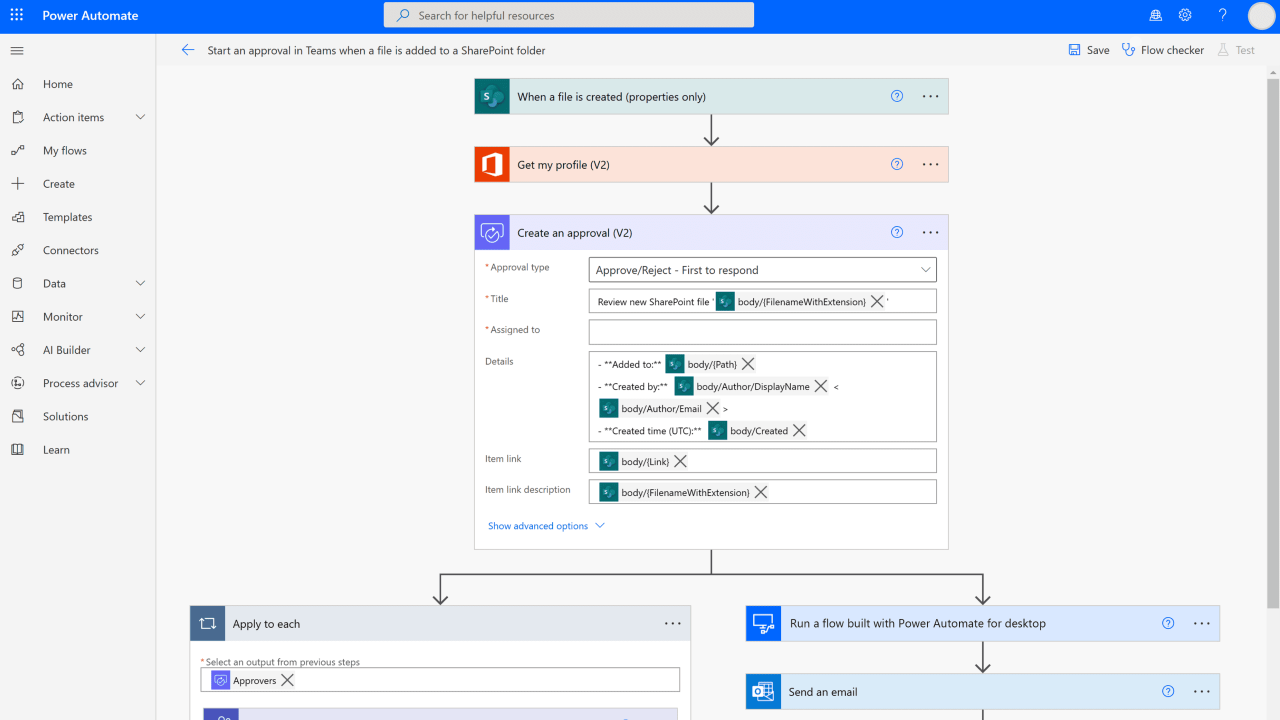
The landscape of AI-driven pitch deck creation is rapidly evolving, driven by advancements in artificial intelligence technologies that promise to redefine how startups and organizations craft compelling presentations. Emerging innovations are paving the way for more adaptive, personalized, and interactive pitch decks, fundamentally transforming investor relations and sales communications. Staying abreast of these trends is crucial for leveraging AI’s full potential while addressing ethical considerations to maintain authenticity and trust in AI-generated content.
As AI technologies continue to develop at a fast pace, the integration of new capabilities will enable more dynamic, engaging, and tailored presentations that resonate deeply with their audiences. These innovations will not only enhance efficiency but also unlock new levels of creativity and strategic communication, setting a new standard for how pitch decks are conceived and delivered in the future.
Emerging AI Technologies Enhancing Pitch Deck Automation
Recent breakthroughs in AI are introducing sophisticated tools that significantly improve pitch deck automation. These include large language models (LLMs) capable of generating nuanced narrative content with contextual accuracy, and computer vision systems that can analyze and incorporate visual data seamlessly. Additionally, generative adversarial networks (GANs) are being employed to produce high-quality visuals and customized imagery, elevating the aesthetic appeal of presentations.
Other notable innovations include AI-driven natural language processing (NLP) for real-time editing and feedback, as well as reinforcement learning algorithms that optimize slide sequences based on audience engagement metrics. These technologies collectively streamline content creation, enhance visual storytelling, and facilitate rapid customization, enabling users to produce more compelling and tailored pitch decks efficiently.
Adaptive, Interactive, and Personalized Presentations
The future of AI-powered pitch decks lies in their ability to adapt and respond interactively to audience needs. AI systems will increasingly facilitate real-time modifications, allowing presenters to customize content dynamically based on audience reactions or questions. Interactive features such as clickable data visualizations, embedded videos, and personalized data insights will transform static decks into engaging, immersive experiences.
“Personalization driven by AI will ensure each investor or client receives a pitch that aligns precisely with their interests and investment criteria, fostering deeper engagement and trust.”
By utilizing adaptive algorithms that analyze audience behavior—such as eye tracking or sentiment analysis—future pitch decks will adjust their messaging and emphasis accordingly. This level of personalization has the potential to increase conversion rates and strengthen relationships, bridging the gap between automated content and human connection.
Impact of AI Advancements on Investor Relations and Sales Pitches
As AI tools become more sophisticated, their influence on investor relations and sales pitches will intensify. Automated generation of tailored content backed by real-time data insights will enable organizations to craft highly relevant and compelling narratives that resonate with specific investor profiles or client segments.
This evolution will lead to more efficient communication workflows, shorter preparation times, and higher-quality presentations. For example, AI can quickly identify the most persuasive data points or risk factors for a particular investor persona, optimizing pitch effectiveness. Moreover, AI-enabled predictive analytics will provide insights into investor preferences and behaviors, allowing organizations to proactively address concerns and tailor their outreach strategies.
“AI-driven personalization and predictive analytics will redefine how organizations approach investor relations, making pitches more targeted, responsive, and impactful.”
Overall, these advancements will foster deeper trust and engagement, transforming traditional sales and investor relations strategies into more strategic, data-informed processes that leverage AI’s full potential.
Ethical Considerations and Maintaining Authenticity in AI-Generated Content
With the increasing sophistication of AI in pitch deck creation, ethical considerations surrounding transparency, authenticity, and bias mitigation are paramount. It is essential to ensure that AI-generated content accurately represents the organization’s message without misleading or compromising integrity. Clear disclosure of AI involvement in content creation can help maintain trust and uphold ethical standards.
Moreover, addressing biases embedded within training data is crucial to prevent the perpetuation of stereotypes or skewed narratives that might harm credibility. Organizations should establish guidelines and oversight mechanisms for AI-generated content, ensuring it aligns with brand values and regulatory requirements. Encouraging human review and editing of AI outputs will further safeguard authenticity, ensuring presentations remain honest, compelling, and ethically sound.
“Balancing AI automation with human oversight is vital to uphold authenticity, transparency, and ethical integrity in pitch deck creation.”
As AI continues to advance, fostering a responsible approach will be key to harnessing its benefits while maintaining the trust of investors and stakeholders in an increasingly digital presentation landscape.
Epilogue
In summary, automating pitch deck generation with AI offers remarkable advantages in efficiency, consistency, and creativity. By embracing these technological advancements, organizations can craft compelling presentations that resonate with audiences and investors alike. Staying informed about future trends will ensure continued innovation and success in pitch outreach efforts.