Learning how to create investor pitch decks using AI offers a transformative approach to startup fundraising. By leveraging artificial intelligence tools, entrepreneurs can streamline the development of compelling, high-quality presentations that effectively communicate their value propositions. This innovative process not only saves time but also enhances visual appeal and content accuracy, empowering startups to make a lasting impression on potential investors.
Integrating AI into pitch deck creation involves understanding key components such as company overview, problem and solution, market analysis, and financial data. Selecting the right AI platforms, utilizing AI-generated content, and designing visually appealing slides are essential steps in crafting a persuasive presentation. Moreover, AI assists in refining the deck through editing, visual enhancements, and ensuring coherence, ultimately increasing the likelihood of securing investment.
Introduction to AI in Investor Pitch Decks
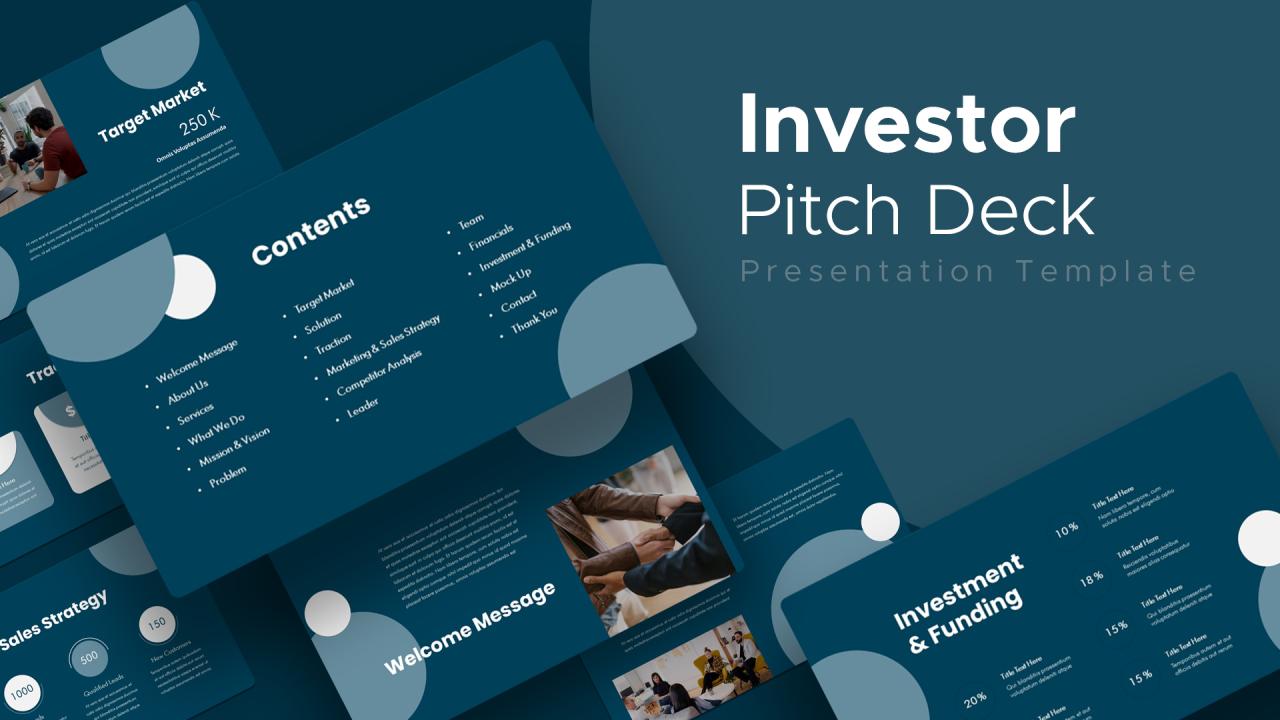
Artificial Intelligence (AI) is revolutionizing the way entrepreneurs and startups craft their investor pitch decks. Traditionally, creating an effective pitch required significant time, creativity, and expertise in both content development and visual design. Today, AI-powered tools are transforming this process by offering automation, intelligent suggestions, and data-driven insights that enhance both the efficiency and quality of pitch deck preparation.
By integrating AI into the development of investor presentations, founders can streamline content creation, improve visual appeal, and tailor their messaging to resonate more effectively with potential investors. These tools utilize advanced algorithms to analyze industry data, optimize slide layouts, and generate compelling narratives, thereby enabling startups to stand out in competitive funding environments.
Role of AI in Transforming Traditional Pitch Deck Creation
The traditional approach to creating investor pitch decks often involves manual research, design expertise, and iterative revisions. AI introduces a paradigm shift by automating many of these tasks, allowing entrepreneurs to focus more on strategic storytelling and less on technical formatting. AI-driven platforms can quickly gather relevant data, suggest impactful visuals, and craft persuasive narratives based on a startup’s unique value proposition.
Moreover, AI tools can analyze successful pitch decks from various industries to identify patterns and best practices. This analysis helps in constructing decks that are aligned with what investors typically respond positively to, increasing the likelihood of securing funding. The automation also ensures consistency in branding and messaging, which is crucial for establishing credibility and professionalism.
Enhancement of Visual and Content Quality Using AI
One of the most significant advantages of incorporating AI into pitch deck creation is the enhancement of visual elements and content quality. AI-based design tools can automatically generate visually appealing slides by recommending color schemes, fonts, and layouts that align with the startup’s branding. They can also optimize the arrangement of information to maximize clarity and engagement.
Content-wise, AI can assist in refining language, ensuring clarity, conciseness, and persuasiveness. Natural Language Processing (NLP) algorithms can suggest improvements in storytelling, highlight key metrics, and tailor messaging to resonate with specific investor profiles. This results in pitch decks that are not only visually impressive but also effectively communicate the startup’s potential and strategic advantage.
Utilizing AI in pitch deck creation ensures a blend of innovative design and compelling storytelling, significantly increasing the chances of capturing investor interest and trust.
Understanding the Components of a Successful Investor Pitch Deck

Creating an effective investor pitch deck is a crucial step in securing funding for your business venture. While the presentation’s overall impact depends on the clarity and persuasiveness of its content, understanding the essential components forms the foundation of a compelling pitch. Each element must work cohesively to tell a convincing story about your business opportunity, value proposition, and growth potential.
Traditionally, entrepreneurs relied heavily on manual research, personal experience, and intuition to craft each component of their pitch decks. Today, AI-assisted content generation tools revolutionize this process by offering data-driven insights, automated drafting, and optimized visuals. These advancements enable entrepreneurs to develop clearer, more comprehensive, and highly tailored pitch decks with increased efficiency and confidence.
Core Elements of a Pitch Deck and Their Organization
To construct a well-structured pitch deck, it is vital to include and organize key components in a logical flow. This ensures that investors can easily follow your business narrative, understand your value proposition, and evaluate your growth potential effectively. Each element should be crafted to highlight your strengths while providing transparent and relevant data.
| Component | Description | Traditional Method | AI-Assisted Method |
|---|---|---|---|
| Company Overview | A concise summary of your business, mission, and vision. | Manual writing based on founder’s input, often with subjective tone and varying clarity. | Automated generation of clear, professional summaries using natural language processing models trained on industry standards. |
| Problem | The pain point or gap your business aims to address. | Research-based narrative often relying on personal insights or limited data. | Data-driven insights identifying validated market pain points through real-time analysis of market reports and customer feedback. |
| Solution | The product or service that solves the identified problem. | Descriptive explanation based on the company’s offerings, with potential for ambiguity. | AI tools help craft compelling, benefit-focused descriptions, highlighting differentiators with simulated customer testimonials or case studies. |
| Market Size | The total addressable market and growth opportunities. | Manual estimation using industry reports, which can be time-consuming and prone to inaccuracies. | Automated analysis leveraging AI to aggregate and interpret large datasets, providing up-to-date and precise market sizing estimates. |
| Business Model | How the company plans to make money. | Descriptive narratives often based on founder’s assumptions, potentially lacking clarity. | AI-generated models delineate revenue streams with visual aids, scenario simulations, and projections for better investor understanding. |
| Financials | Historical data, projections, and key financial metrics. | Data compilation manually prepared, which can be inconsistent and less comprehensive. | Automated financial modeling and forecasting using AI algorithms that incorporate real-time market and operational data, enhancing accuracy and presentation clarity. |
| Team | The founding and management team’s background and expertise. | Manual bios and descriptions, often lacking emphasis on key strengths or relevant experience. | AI tools assist in creating succinct, impactful bios by analyzing LinkedIn profiles, publications, and project histories to highlight strengths aligned with investor interests. |
Organizing these components effectively ensures your pitch deck presents a cohesive, persuasive business case. AI-assisted tools streamline the creation process for each element, offering data-backed insights, optimized language, and professional visuals that enhance clarity and appeal. By integrating AI into your pitch deck development, you can focus more on strategic storytelling while ensuring all critical facets are compellingly addressed.
Selecting AI Tools and Platforms for Pitch Deck Creation
Choosing the right AI tools and platforms is a critical step in streamlining the creation of compelling investor pitch decks. The variety of available options offers startups the flexibility to select platforms that best align with their specific needs, presentation style, and technical capabilities. Leveraging AI-driven features can enhance visual appeal, automate content generation, and facilitate seamless integration, ultimately making the pitch deck more persuasive and professional.
In this section, we explore some of the most popular AI-powered tools designed for creating presentations and visual content, compare their key features, and provide guidelines to help startups select the most suitable platform based on their unique objectives and resources.
Popular AI Platforms and Software for Pitch Deck Development
The market offers an array of AI platforms that specialize in generating, designing, and enhancing pitch decks. These tools often incorporate features such as automated content suggestions, visual design optimization, data visualization, and seamless integration with other productivity applications. Here are some of the leading options:
| Platform/Software | Ease of Use | Customization Options | AI-Generated Content Capabilities | Integration Options |
|---|---|---|---|---|
| Beautiful.ai | High – User-friendly drag-and-drop interface suitable for non-technical users. | Extensive – Custom templates, flexible layouts, and adjustable design elements. | Yes – Automated slide design, content suggestions, and smart templates. | Integrates with Google Drive, PowerPoint, Slack, and more. |
| Canva with Magic Write | High – Intuitive platform ideal for quick design and content creation. | Moderate – Wide range of templates with customizable features. | Yes – AI-powered text generation and design suggestions. | Supports direct export to PowerPoint, PDF, and cloud storage services. |
| Visme | Moderate – Slight learning curve but highly versatile. | Good – Customizable templates, data visualization options, branding tools. | Limited – AI assists with visual suggestions but less automated content creation. | Integration with Google Analytics, Dropbox, and others. |
| Beautiful.AI | High – Focused on simplicity and speed. | Good – Automated layouts with some manual customization options. | Yes – Smart slide design, content placement, and visual enhancements. | Supports exports to PowerPoint, PDF, and Google Slides. |
When evaluating these tools, consider factors such as ease of use, level of customization needed, the extent of AI-generated content, and the compatibility with existing workflows or presentation formats.
Guidelines for Choosing the Most Suitable AI Tools for Startup Needs
Selecting the optimal AI platform hinges on understanding your startup’s specific presentation goals, resources, and technical expertise. Here are key guidelines to inform your decision:
- Assess Your Design and Content Needs: Determine whether your focus is on highly visual slides, data-driven content, or storytelling. Platforms like Beautiful.ai excel at visual design, while Canva offers extensive templates for diverse styles.
- Evaluate Ease of Use and Learning Curve: For teams with limited design experience, prioritize user-friendly tools with drag-and-drop interfaces and guided features to streamline the creation process.
- Consider Customization and Branding: Ensure the platform allows for branding consistency, such as applying your startup’s color palette, logo, and fonts, to maintain a professional appearance.
- Analyze AI Capabilities: Opt for tools with robust AI features that can automate repetitive tasks, generate compelling content, and suggest visual improvements, reducing manual effort and enhancing creativity.
- Check Integration and Export Options: Verify compatibility with other applications used by your team, such as cloud storage, presentation software, or communication tools, to facilitate smooth workflow management.
- Budget and Cost-Effectiveness: Balance the platform’s features against your budget constraints. Many tools offer tiered pricing, so selecting a plan aligned with your current needs is advisable.
By systematically evaluating these aspects, startups can select an AI-powered platform that accelerates the creation process, enhances the quality of their pitch decks, and effectively communicates their value proposition to potential investors.
Generating Content for Pitch Deck Sections Using AI
Creating a compelling investor pitch deck requires clear, persuasive, and data-driven content tailored to each section of the presentation. Leveraging AI tools facilitates efficient generation of these materials by producing engaging narratives, insightful analyses, and visual elements that resonate with diverse audiences. This approach not only streamlines the content creation process but also enhances the overall quality and impact of the pitch deck.AI-powered content generation involves instructing sophisticated language models to craft tailored narratives for each section of the deck.
By providing specific prompts and context, AI can produce coherent and compelling descriptions, storylines, and arguments that align with the startup’s value proposition and target audience. This process ensures consistency in tone and messaging, while enabling rapid iteration and refinement of content.
Developing Executive Summaries, Value Propositions, and Market Analyses
Executive summaries serve as a concise overview of the entire pitch, highlighting the problem, solution, and key metrics. AI can synthesize extensive data and narrative inputs to craft succinct summaries that capture attention and set the stage for detailed discussion. Similarly, AI can articulate a compelling value proposition by emphasizing unique selling points, competitive advantages, and customer benefits, all tailored to resonate with specific investor preferences.For market analyses, AI can aggregate data from multiple sources, identify trends, and generate insightful summaries that Artikel market size, growth potential, and competitive landscape.
This involves instructing AI to analyze reports and datasets, extract relevant statistics, and present them in an organized, easy-to-understand format.
Effective AI-generated content hinges on precise prompts and contextual inputs, ensuring the narratives are accurate, relevant, and aligned with the startup’s objectives.
Creating Data-Driven Visuals and Infographics
Visual elements such as charts, graphs, and infographics are vital for conveying complex data succinctly and memorably. AI tools can assist in designing these visuals by transforming raw data into visually appealing and informative graphics. For example, AI can generate bar charts illustrating revenue growth over time, pie charts depicting market segmentation, or infographics summarizing key competitive advantages.To create these visuals, AI can analyze datasets, identify the most relevant metrics, and automate the design process, ensuring consistency in style and clarity.
For instance, an AI-driven platform might convert a set of financial projections into a dynamic line graph, highlighting growth trajectories and critical milestones.
Adapting Tone and Style for Different Audiences
Customizing the tone and style of pitch deck content is crucial for engaging diverse investor profiles, from venture capitalists seeking innovation metrics to strategic partners interested in market positioning. AI can be programmed to modify language complexity, formality, and emphasis based on the target audience.For formal investor presentations, AI can generate polished, professional narratives emphasizing data reliability and strategic growth.
Conversely, for more casual or early-stage audiences, AI can produce approachable, enthusiastic language that highlights vision and potential. This adaptability ensures the pitch resonates deeply and effectively communicates the intended message.
Enhancing Deck Design and Layout with AI
Creating a compelling investor pitch deck extends beyond content quality; visual appeal and layout organization significantly influence audience engagement and comprehension. Leveraging AI tools enables entrepreneurs to design professional, visually appealing decks efficiently, ensuring that the presentation not only communicates ideas effectively but also captures investor attention through aesthetic excellence and strategic organization.
Reviewing and Refining the AI-Generated Pitch Deck

Creating an impactful investor pitch deck using AI tools is a significant step, but the process does not end there. The refinement phase ensures that the presentation is coherent, persuasive, and effectively communicates the intended message. This stage involves critical evaluation, editing, and validation to enhance overall quality and impact, transforming AI-generated content into a compelling storytelling tool that appeals to investors.Meticulous review and iterative refinement are essential to eliminate inconsistencies, redundancies, and weak points.
It is equally important to assess the logical flow and ensure each section seamlessly connects to the next, maintaining a compelling narrative arc. Additionally, leveraging AI to test the presentation’s flow and gather feedback can provide valuable insights, enabling entrepreneurs to fine-tune their decks for maximum effectiveness.
Editing AI-Produced Content for Coherence and Persuasive Storytelling
The first step in refining an AI-generated pitch deck involves a meticulous review of all content for clarity, consistency, and narrative strength. Editing requires a focus on maintaining a cohesive story that resonates with potential investors while ensuring the tone remains professional yet engaging. Key procedures include:
- Aligning messaging across all sections to create a unified story emphasizing the problem, solution, traction, and financial needs.
- Ensuring data accuracy and verifying that figures, such as market size or revenue projections, are updated and credible.
- Rephrasing AI-generated sentences to enhance clarity, eliminate ambiguity, and add a persuasive tone where necessary.
- Inserting strategic storytelling elements, such as compelling anecdotes or customer testimonials, to make the deck more relatable and memorable.
It is advisable to review each slide from the perspective of an investor, asking whether the content convincingly addresses their core questions about market opportunity, competitive advantage, and financial viability.
Identifying and Eliminating Redundancies or Weak Points
A critical review process involves detecting redundancies—repetitive information that does not add value—and weak points that could undermine the pitch’s effectiveness. The importance of this step lies in streamlining the presentation to retain attention and reinforce key messages without overwhelming the audience.Begin by systematically analyzing each slide to identify repetitive themes or unnecessarily verbose content. Use the following methods:
- Compare slides for overlapping information, such as multiple slides discussing the same market statistics, and consolidate or rephrase for clarity.
- Assess the strength of each argument or data point, ensuring they support the overarching narrative effectively.
- Highlight weak or unsupported claims, and replace them with stronger evidence or eliminate them if not critical.
You can leverage AI tools to scan the entire deck for redundancy by analyzing textual similarity and flagging repetitive content. This ensures a concise, focused presentation that emphasizes unique selling points.
Using AI to Test Flow and Logical Progression
Once content refinement is underway, verifying the logical progression of the pitch deck is crucial. An effective deck should tell a coherent story, guiding investors naturally through the problem, solution, market opportunity, business model, and financials.AI can assist in this process by simulating the presentation flow through:
- Analyzing slide sequence to detect abrupt transitions or gaps in the narrative.
- Modeling storytelling continuity, ensuring each section logically builds on the previous one.
- Providing suggestions for rearranging slides to improve overall flow and engagement.
Some advanced AI platforms can generate a narrative Artikel based on the deck and identify sections where the logical connection weakens, prompting revisions for smoother transitions.
Soliciting Feedback from AI on Deck Effectiveness
Gathering objective feedback is essential to validate the pitch deck’s persuasiveness and clarity. AI feedback mechanisms can simulate investor reactions by analyzing content strength, emotional appeal, and clarity.Effective methods include:
- Using AI-based readability and engagement scoring tools that evaluate how compelling and understandable the content is.
- Employing sentiment analysis algorithms to assess the tone and emotional resonance of the presentation.
- Running the deck through AI-driven virtual investor simulators that provide feedback on potential investor questions or objections based on the content.
Incorporating AI feedback into the refinement process enables entrepreneurs to identify blind spots and optimize their decks for maximum impact. It also facilitates iterative improvements, ensuring every version of the presentation becomes more polished and persuasive.
Best Practices for Using AI in Pitch Deck Development
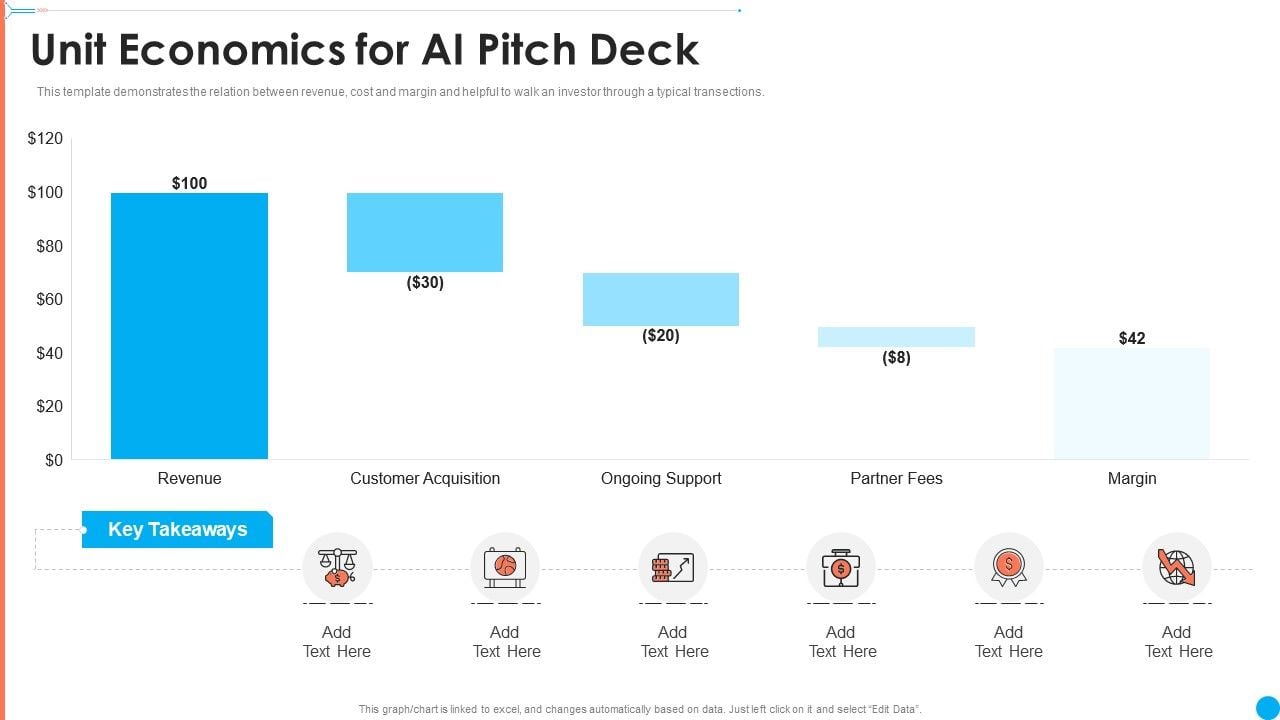
Creating effective investor pitch decks with the assistance of AI can dramatically enhance both efficiency and quality. However, to maximize benefits while maintaining integrity, it is essential to follow best practices that address ethical considerations, ensure clarity and accuracy, and preserve human judgment throughout the process. Implementing these guidelines helps craft compelling, professional presentations that resonate with investors and reflect your company’s true potential.Utilizing AI tools responsibly requires an understanding of both their capabilities and limitations.
While AI can generate content, optimize design, and refine messaging swiftly, it is crucial to keep transparency and ethical standards at the forefront. Combining AI-generated insights with human expertise ensures the final deck accurately represents your company’s vision and avoids potential pitfalls associated with misinformation or bias. Balancing automation with personal judgment fosters trust and credibility in your investor communications.
Ensuring Ethical Use and Transparency with AI-generated Content
Maintaining integrity when deploying AI in pitch deck creation involves clear disclosure and ethical practices. Transparency about the use of AI tools reassures investors that the information presented is reliable and responsibly sourced. Avoid over-reliance on AI-generated content to prevent unintentional bias or inaccuracies. Always verify facts, data points, and claims produced or supported by AI to ensure they align with your company’s reality.It is also important to respect intellectual property rights, especially when using AI to generate content based on existing data or ideas.
Proper attribution and adherence to licensing agreements, where applicable, uphold ethical standards. Communicating openly about the role of AI in your development process demonstrates honesty and fosters trust with your audience.
Checklist for Clarity, Accuracy, and Professionalism in AI-Assisted Decks
To produce a polished and effective investor pitch deck using AI, a comprehensive review process is vital. The following checklist helps ensure your presentation maintains high standards:
- Verify Data Accuracy: Cross-reference all figures, financial data, and key metrics generated or formatted by AI with original sources or internal data to prevent errors.
- Maintain Clarity and Simplicity: Ensure that AI-generated language is clear, concise, and jargon-free where appropriate, facilitating investor understanding.
- Assess Visuals and Layout: Review AI-suggested design elements, ensuring they are aligned with your branding and that the layout effectively highlights critical information.
- Check Consistency: Confirm that tone, style, and terminology remain consistent throughout the deck, adjusting AI outputs as needed for coherence.
- Review for Bias and Sensitivity: Analyze AI-generated content for potential biases, cultural insensitivity, or unintentional exclusion, making necessary adjustments.
- Solicit Human Input: Incorporate feedback from team members or industry experts to refine content and presentation style beyond AI suggestions.
Balancing AI Tools with Human Creativity and Judgment
While AI significantly accelerates content generation and design, human creativity remains essential for crafting a compelling narrative and authentic storytelling. AI excels at data-driven tasks, such as optimizing layouts and producing initial drafts, but it cannot replicate the nuanced understanding of your company’s unique value proposition or the emotional appeal essential in investor presentations.Encouraging a collaborative approach involves using AI as an assistant rather than a substitute for human insight.
For example, AI can generate various versions of an executive summary, but final edits should reflect the founder’s voice and strategic intent. Regularly involving team members in reviewing AI suggestions fosters innovation and ensures the deck accurately embodies your company’s mission and culture.
Implementing Iterative Review Processes with AI
An iterative review process leverages AI’s capabilities for continuous refinement, leading to a polished and impactful pitch deck. Begin with AI-generated drafts, then solicit feedback from stakeholders, investors, or consultants. Incorporate their insights to modify content, visuals, and messaging, using AI tools to implement changes efficiently.Repeated cycles of review and adjustment help identify overlooked errors, enhance clarity, and improve overall professionalism.
For instance, AI can assist in A/B testing different slide layouts or messaging styles, providing data-driven insights that inform final decisions. Establishing a structured review schedule ensures the deck evolves through constructive feedback, optimizing its effectiveness before presenting to investors.
End of Discussion
In conclusion, mastering how to create investor pitch decks using AI can significantly elevate your fundraising efforts. By combining technological efficiency with strategic storytelling, entrepreneurs can produce impactful presentations that resonate with investors. Embracing AI’s capabilities ensures your pitch deck is not only professional and visually engaging but also tailored to communicate your startup’s unique value with clarity and confidence.