Discover how to customize chart styles using AI to transform your data visualizations effortlessly and creatively. Leveraging artificial intelligence offers innovative ways to enhance the aesthetic appeal and clarity of your charts, making presentations more engaging and professional. This approach not only streamlines the styling process but also opens up new possibilities for tailored design solutions suited to various data contexts.
In this guide, we explore the integration of AI-driven tools and techniques to modify chart aesthetics, from selecting color schemes and fonts to adjusting visual parameters across different chart types. Understanding these methods empowers users to generate visually compelling and consistent charts that align perfectly with their branding and presentation goals.
Overview of customizing chart styles using AI

In the evolving landscape of data visualization, artificial intelligence (AI) has become an instrumental tool for tailoring chart aesthetics and design elements to meet specific user preferences and branding standards. Leveraging AI for style customization streamlines the process, enabling users to generate visually appealing charts that align with their unique requirements without extensive manual adjustments.
The integration of AI into chart styling involves sophisticated algorithms that analyze input data and style preferences to automatically adjust color schemes, font types, layout arrangements, and other visual components. This automation not only accelerates the design process but also ensures consistency and adherence to design principles across multiple visualizations, enhancing clarity and viewer engagement.
Integrating AI to modify chart aesthetics and design elements
The process begins with the collection of user preferences, which can include color palettes, font styles, layout structures, and thematic elements. These preferences are then fed into AI systems, often through user-friendly interfaces such as sliders, selection menus, or natural language inputs, enabling a seamless communication of style requirements. Advanced AI models utilize machine learning techniques to interpret these inputs and generate customized styles that are both aesthetically pleasing and contextually appropriate.
Once preferences are inputted, the AI system applies a series of algorithms that analyze current design trends, readability principles, and the specific data context. For example, if a user prefers vibrant colors for marketing dashboards, the AI can automatically select a harmonious color palette that enhances data differentiation while maintaining visual harmony. This process can be iterative, allowing users to refine styles by providing feedback or adjusting input parameters until the desired visual outcome is achieved.
Benefits of automating style customization with AI tools
Automating chart style customization through AI offers numerous advantages that enhance both efficiency and quality in data presentation. Firstly, it significantly reduces the time required to design and refine visualizations, allowing analysts and designers to focus more on data insights rather than aesthetic adjustments.
Secondly, AI-driven customization ensures consistency across multiple charts and dashboards, maintaining a unified visual identity that reinforces brand recognition and professional appearance. Additionally, AI systems can incorporate best practices in design and accessibility, such as color contrast optimization and font readability, which are often overlooked in manual setups.
Furthermore, AI tools facilitate personalized visualization experiences by adapting styles based on target audiences or specific use cases. For instance, charts intended for executives may favor minimalist, high-contrast designs for quick comprehension, while those for detailed reports might incorporate more complex, nuanced styling. This adaptability enhances communication effectiveness and user engagement.
Methods for inputting style preferences into AI systems for tailored chart creation
Effective customization begins with clear communication of style preferences to AI systems. Various methods are employed to input these preferences, ranging from direct selections to natural language instructions, ensuring flexibility and user-friendliness.
Users can specify preferences through graphical interfaces that include color pickers, font dropdowns, and layout templates, enabling precise control over visual elements. For more advanced customization, natural language processing (NLP) techniques allow users to describe their desired styles in plain language, which AI models interpret to generate appropriate design configurations.
Some AI platforms also support importing existing style guides or templates in formats such as JSON or XML, enabling organizations to enforce branding standards consistently across all visualizations. Additionally, machine learning models can learn from user feedback over time, refining their style recommendations based on previous choices and user interactions.
In practice, combining these methods—initial style input via graphical interfaces, supplemented by natural language descriptions and imported templates—offers a versatile and user-centric approach to creating highly customized, visually compelling charts powered by AI technology.
Types of Chart Styles and Customization Parameters Influenced by AI
AI-driven customization enhances the visual appeal and clarity of charts across various types, enabling tailored presentations that align with specific data insights and audience needs. By understanding the common chart types and the parameters that AI can modify, users can achieve more impactful and professional visualizations.
Different chart types serve unique purposes and are suited for specific data representations. AI can adapt their styles by intelligently modifying visual elements such as colors, fonts, line thickness, and markers. This not only improves aesthetic consistency but also enhances data readability, ensuring that viewers can interpret complex datasets efficiently.
Common Chart Types and AI-Driven Style Adaptations
AI algorithms analyze the nature of the data and the context in which the chart is used to suggest or automatically apply style adjustments. For example, in a bar chart representing sales figures over months, AI might select a color palette that emphasizes growth trends, while in a pie chart depicting market share, it might optimize segment colors for distinctness and visual balance.
- Bar Charts: AI can customize bar colors to represent categories distinctly, adjust bar width for better visual proportion, and modify spacing for clarity.
- Line Charts: AI can adapt line thickness to highlight key trends, select color schemes that differentiate multiple lines, and adjust marker styles for data points.
- Pie Charts: AI can optimize segment colors for contrast, assign different marker styles for emphasis, and alter label font sizes for readability.
- Scatter Plots: AI can modify dot size and color based on data density or category, adjust axis scales for better visualization, and style grid lines for clarity.
Visual Parameters Customized by AI
AI customization encompasses a broad range of visual parameters that influence the overall style and effectiveness of charts. Adjustments to these elements can significantly improve the presentation, making the data more accessible and engaging.
- Colors: Palette selection, contrast enhancement, category-specific color schemes
- Fonts: Font type, size, weight, and style for titles, labels, and legends
- Line Thickness: Adjustment for better visibility, differentiation between multiple data series
- Markers: Style, size, and color of data point markers, symbols for emphasis
- Background and Grid: Color schemes for backgrounds and grid lines to improve focus and readability
- Legend Placement and Style: Positioning, font, and border styles for clear identification
- Axis Styles: Line color, thickness, tick mark styles, and label formatting
Example Style Settings and Customization Options
| Style Element | AI Customization Options | Default Settings | Recommended Usage |
|---|---|---|---|
| Color Scheme | Sequential, Diverging, Categorical palettes; custom color codes | Standard palette with muted tones | Use vibrant, contrasting colors for categories; muted tones for background or less important data |
| Font Style | Sans-serif, Serif, Monospace; font size adjustment; bold or italic options | Arial, 12px, regular weight | Headings: bold, larger fonts; labels: clear, readable sizes; annotations: distinctive styles |
| Line Thickness | Range from thin to bold, step adjustments based on data significance | 1px | Thicker lines for primary data series; thinner for secondary or background elements |
| Markers | Shape (circle, square, triangle), size, color | Circle, 5px, black | Use distinctive markers for key data points; color-code by category for clarity |
Techniques for AI-driven Style Selection and Adjustment
Implementing AI to automate and enhance chart style customization involves sophisticated techniques that enable models to recognize preferred design patterns, adapt styles dynamically, and suggest modifications aligned with data context and presentation objectives. These techniques streamline the customization process, ensuring visual coherence and effectiveness tailored to specific needs.
By leveraging machine learning algorithms and data-driven insights, AI can analyze vast amounts of design data, user preferences, and presentation scenarios to determine optimal style configurations. This not only accelerates the customization workflow but also promotes consistency and visual appeal across multiple charts and presentations, making data visualization more impactful and user-centric.
Training AI Models to Recognize Preferred Design Patterns
Developing AI models capable of recognizing preferred design patterns involves a structured approach that ensures the system learns from diverse data sources and user interactions. The process begins with collecting extensive datasets of well-designed charts, including variations in color schemes, font choices, layout arrangements, and style elements that are deemed effective or aesthetically pleasing.
Supervised learning techniques are commonly employed, where the dataset is labeled with design preferences or success metrics. For example, a dataset might include charts rated highly by users or recognized for clarity and professionalism. These labels guide the AI in identifying features associated with preferred styles. Additionally, reinforcement learning can be utilized, where the AI iteratively improves its style recommendations based on feedback or engagement metrics, such as user clicks or time spent viewing a chart.
Continuous training with updated datasets ensures that the AI adapts to evolving design trends and user preferences, fostering a dynamic and responsive styling system that aligns with current standards and individual or organizational branding requirements.
Inputting Data and Style Criteria into AI for Dynamic Customization
Establishing a clear and structured process for inputting data and style criteria is fundamental for effective AI-driven chart customization. This involves defining key parameters such as data type, presentation context, audience profile, and desired visual outcomes. Users can input these criteria through intuitive interfaces, APIs, or configuration files, which are then processed by the AI model.
The input process typically includes uploading datasets, specifying style preferences (e.g., color palettes, font styles, grid visibility), and indicating presentation goals (e.g., emphasis on trends, clarity for large audiences). Advanced systems may incorporate natural language processing to interpret verbal or textual style instructions, translating them into quantifiable parameters.
Once the criteria are established, the AI evaluates the inputs against its knowledge base and training data to generate a set of style options. These options undergo further refinement based on real-time feedback, user adjustments, or predefined rules, enabling highly personalized and contextually appropriate chart styles.
Methods for AI to Suggest Style Modifications Based on Data Context or Presentation Goals
AI leverages contextual analysis and goal-oriented algorithms to propose style modifications that enhance the effectiveness of the visualization. This involves analyzing the data characteristics, such as distribution, variance, and key insights, as well as understanding the presentation environment and audience expectations.
Using techniques like pattern recognition and semantic analysis, the AI identifies elements that could benefit from stylistic adjustments. For example, if the data exhibits high variability, the AI might suggest using contrasting colors or emphasizing certain data points for clarity. If the presentation aims to highlight trends over time, the system could recommend smoothing line styles or adjusting axis scales for better readability.
Machine learning models trained on successful visualization examples can also predict which style modifications lead to improved comprehension or aesthetic appeal. The AI might suggest subtle changes such as increasing font size for key labels, altering color schemes to align with branding, or modifying grid lines to reduce visual clutter. These recommendations are often presented as options, allowing users to accept, modify, or reject them, facilitating a collaborative customization process grounded in data and presentation context.
Implementing AI Customization Tools in Popular Charting Software
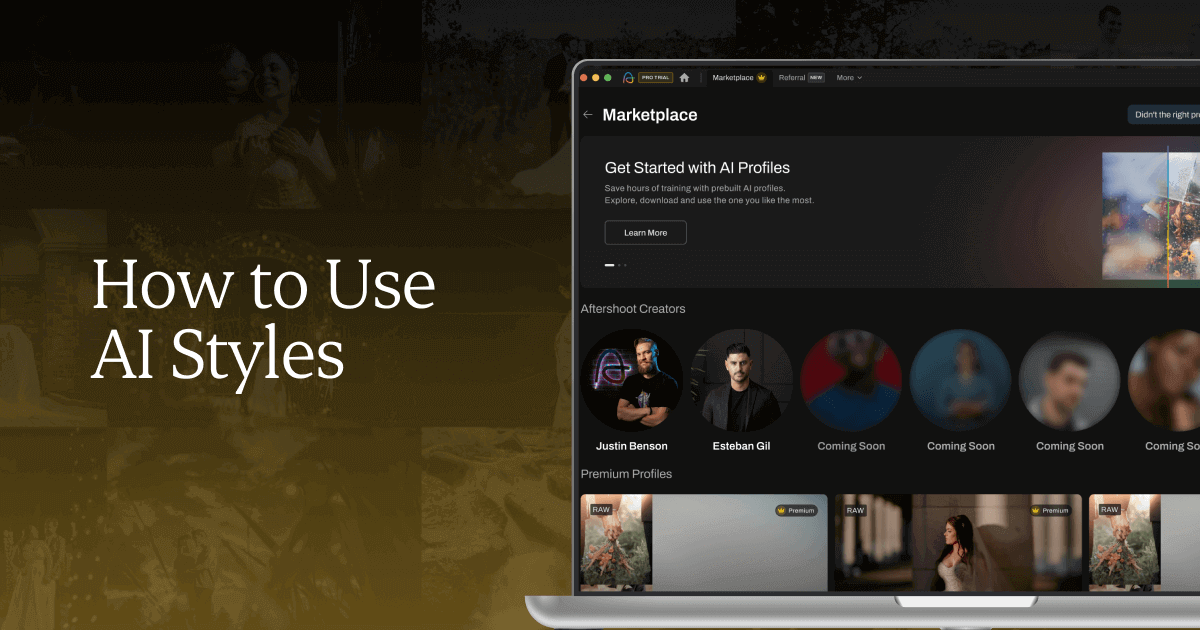
Integrating AI-powered chart customization tools into widely used charting platforms enhances the efficiency and aesthetic appeal of data visualizations. These tools enable users to automate style selection, optimize visual clarity, and adapt charts dynamically based on data insights. Implementing such features involves understanding how to incorporate AI plugins or APIs into existing software workflows, ensuring seamless interaction, and leveraging the customization capabilities effectively.Incorporating AI-driven customization mechanisms into platforms like Excel, Tableau, and Google Charts requires a strategic approach that combines technical integration with user-centered design.
This process involves connecting AI services via APIs, configuring the software environment for compatibility, and establishing workflows that facilitate automatic or semi-automatic style adjustments during chart creation. By doing so, users can benefit from advanced styling options without extensive manual effort, resulting in more compelling and informative visualizations.
Connecting AI Services to Chart Creation Workflows
Establishing a robust connection between AI services and charting tools is essential for real-time or batch customization. The following organized procedures Artikel the typical steps involved:
- Identify suitable AI plugins or APIs that offer chart style recommendations or adjustments, such as Google Cloud AI, Microsoft Azure Cognitive Services, or custom machine learning models.
- Register for API access, obtain necessary authentication credentials such as API keys or OAuth tokens, and review the service documentation for integration guidelines.
- Install or embed plugin modules within the charting software environment. In Excel, this could involve installing add-ins; in Tableau, leveraging Web Data Connectors or external scripts; in Google Charts, embedding API calls within JavaScript code.
- Configure the API connection settings, including endpoint URLs, authentication tokens, and data parameters relevant to style customization requests.
- Design data flows to send chart metadata or data snapshots to the AI service for style analysis or suggestions, and receive styling parameters in response.
- Apply the received style parameters dynamically to the chart rendering process, ensuring visual consistency and responsiveness.
Example Code Snippets and Configuration Settings
Below are illustrative examples demonstrating how to embed AI-driven style customization into chart configurations using HTML and JavaScript, suitable for web-based environments like Google Charts or embedded dashboards.
| API Call Example | Configuration Snippet |
|---|---|
fetch('https://api.example-ai.com/style-suggestions',
  method: 'POST',
  headers:
    'Content-Type': 'application/json',
    'Authorization': 'Bearer YOUR_API_KEY'
  ,
  body: JSON.stringify( chartType: 'bar', dataPreview: chartData )
)
.then(response => response.json())
.then(styleParams =>
  // Apply style parameters to chart
  drawChartWithStyles(styleParams);
);
|
function drawChartWithStyles(styleParams)
  var data = google.visualization.arrayToDataTable(chartData);
  var options =
    title: 'Customized Chart',
    colors: styleParams.colorPalette,
    backgroundColor: styleParams.backgroundColor,
    legend:  position: styleParams.legendPosition ,
    // Additional style options based on AI response
  ;
  var chart = new google.visualization.BarChart(document.getElementById('chart_div'));
  chart.draw(data, options);
|
Note: The above code demonstrates how to send chart data to an AI service, receive style suggestions, and dynamically apply them within a chart rendering function, enabling automated and adaptive visual styles aligned with data context.
Integrating AI customization tools within popular charting software enhances the ability to produce visually appealing and data-optimized charts efficiently. Proper connection setup, workflow organization, and dynamic style application are key to harnessing the full potential of AI-driven visualization enhancements.
Future trends in AI-assisted chart style customization
The evolution of AI technology continues to shape the landscape of data visualization, offering increasingly sophisticated tools for customizing chart styles. Future developments promise to enhance personalization, adaptability, and real-time responsiveness, enabling users to craft visualizations that are not only aesthetically appealing but also dynamically aligned with their specific needs and contexts. As AI capabilities expand, chart customization will become more intuitive, intelligent, and seamlessly integrated into various analytical workflows.
Emerging trends indicate a shift towards AI systems that can learn user preferences over time, adapt styles based on data characteristics, and facilitate a highly interactive visualization environment. These advancements aim to reduce manual effort, improve clarity, and foster deeper insights by delivering visually optimized charts tailored dynamically to the data and user requirements.
Emerging AI Capabilities for Personalized and Adaptive Style Design
Advancements in AI enable the development of systems capable of generating highly personalized chart styles that reflect individual user preferences, organizational branding, or specific project themes. These intelligent systems analyze user interactions, historical choices, and contextual data to recommend or automatically implement style adjustments that align with user expectations.
Moreover, adaptive AI models can modify chart aesthetics in response to changing data patterns. For instance, if a dataset exhibits a shift in distribution or volatility, the AI can automatically adjust color schemes, line weights, or font sizes to enhance readability and highlight key insights. This continuous optimization ensures that visualizations remain relevant and impactful throughout data analysis processes.
Integrating Machine Learning for Real-Time Style Adjustments
The integration of machine learning algorithms facilitates real-time, context-aware style modifications, significantly enhancing user experience. By analyzing user interactions—such as hover effects, zooming, or filtering—ML models can predict preferences and apply style changes dynamically, creating an interactive visualization environment that responds instantaneously to user input.
This approach allows for the development of adaptive dashboards where chart styles evolve during presentations or exploratory data analysis sessions. For example, if a user focuses on a particular data segment, the system might automatically emphasize that segment with distinctive styling, such as a contrasting color or increased line thickness, to draw attention effectively.
Structuring Content on Upcoming Innovations with Descriptive Explanations
Future innovations in AI-assisted chart style customization will encompass a range of features designed to revolutionize how users interact with data visualizations. These innovations can be structured into several key areas:
| Innovation Area | Description |
|---|---|
| Context-Aware Style Generation | AI systems that analyze the data context and user objectives to generate optimal chart styles automatically, ensuring visualizations are tailored for clarity and impact without manual intervention. |
| Personalized Style Learning | Machine learning models that learn individual or organizational style preferences over time, enabling future visualizations to reflect consistent branding, aesthetic choices, or specific thematic elements. |
| Real-Time Style Adaptation | Dynamic adjustments made during data exploration or presentation, where visual elements adapt instantaneously based on user interactions or data changes, enhancing engagement and insight discovery. |
| Cross-Platform Style Synchronization | Ensuring style preferences and adaptations are maintained seamlessly across different software and devices, providing a unified and personalized visualization experience regardless of context. |
These technological strides will foster an environment where chart styles are no longer static but fluid, intelligent, and highly personalized. As machine learning models become more sophisticated, they will anticipate user needs, suggest innovative style modifications, and refine visualizations in ways that significantly enhance understanding and decision-making capabilities across diverse industries.
Wrap-Up
Embracing AI for customizing chart styles paves the way for more dynamic and personalized data visualizations. By refining and validating AI-generated designs, users can achieve professional results with efficiency and confidence. Staying informed about emerging AI capabilities ensures that your visual storytelling continues to evolve with innovative, adaptive styling solutions.