With how to customize color themes with AI at the forefront, this exploration unveils innovative methods to enhance digital design through intelligent automation. Discover how artificial intelligence transforms traditional color customization, enabling dynamic, tailored palettes that elevate user experience and brand identity. Embark on a journey where technology meets creativity to craft visually compelling environments effortlessly.
This guide provides a comprehensive overview of AI-driven tools, step-by-step procedures, and best practices for customizing color themes. From understanding the underlying technologies to fine-tuning visual schemes that align with specific aesthetic and branding goals, readers will gain practical insights into harnessing AI’s power for impactful design solutions.
Overview of Color Theme Customization with AI
Personalized color themes play a crucial role in shaping digital design and enhancing user experience. They allow brands and developers to create visually appealing interfaces that resonate with users’ preferences and brand identities. The advent of artificial intelligence (AI) has transformed how these themes are customized, enabling more dynamic and intuitive processes compared to traditional methods.
AI technologies facilitate real-time, context-aware adjustments to color schemes by analyzing user behavior, environmental conditions, and aesthetic trends. This shift from static, manually curated color palettes to adaptive systems ensures a more engaging and personalized digital environment. The utilization of AI in color theme customization streamlines the design process, reduces manual effort, and fosters innovative creative possibilities.
Traditional vs. AI-Driven Color Customization Methods
Understanding the differences between traditional and AI-driven approaches highlights the advantages brought about by modern technological advances in digital design.
Traditional color customization methods typically involve manual selection and adjustment of color schemes by designers. This process relies heavily on subjective judgment, experience, and static tools such as color pickers and palette generators. While effective, these methods are time-consuming and may not always capture user preferences or adapt to changing contexts seamlessly.
In contrast, AI-driven color customization employs machine learning algorithms, neural networks, and data analysis techniques to automate and optimize the process. These systems can analyze vast amounts of data, including user interactions, device settings, and environmental factors, to generate and adjust color themes dynamically. For example, AI can adapt a website’s color scheme based on the time of day, user mood, or accessibility needs, offering a truly personalized experience.
Additionally, AI-powered tools can predict emerging color trends by analyzing social media, fashion, and design industry data, enabling brands to stay ahead of aesthetic curves effortlessly. This predictive capability, combined with real-time customization, significantly enhances user engagement and satisfaction, fostering a more inclusive and accessible digital environment.
Technologies and Tools for AI-based Color Theme Customization
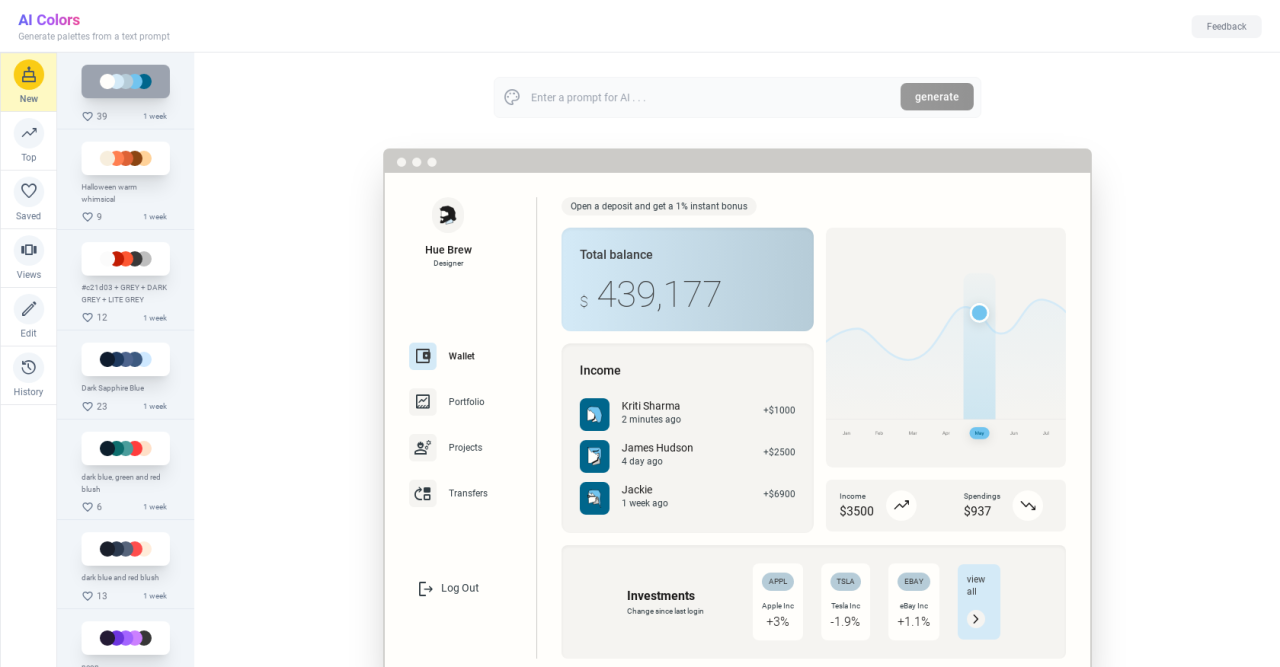
Advancements in artificial intelligence have significantly transformed how designers and developers approach color palette creation. By leveraging sophisticated algorithms and specialized tools, users can generate, refine, and integrate personalized color themes efficiently. This section delves into the core technologies enabling AI-driven color customization, exploring popular algorithms and practical methods to embed these tools seamlessly into existing workflows.
Choosing the right combination of AI algorithms and integration methods is crucial for achieving optimal results. It allows for dynamic, data-driven color palette generation that can adapt to various design needs, whether for branding, UI/UX design, or multimedia projects. Understanding the available platforms and their features helps streamline the customization process while ensuring consistency and aesthetic appeal across projects.
Popular AI Algorithms and Models for Color Palette Generation
Various AI algorithms have proven effective in generating appealing and harmonious color schemes. These models primarily focus on pattern recognition, clustering, and generative techniques to produce innovative palettes based on user input or contextual data. The choice of algorithm depends on the desired outcome, complexity, and specific application requirements.
- K-Means Clustering: This unsupervised machine learning algorithm is commonly used for segmenting color data into groups, facilitating the creation of cohesive palettes by identifying dominant color clusters within images or datasets.
- Generative Adversarial Networks (GANs): GANs are powerful in generating novel color schemes by learning from large datasets of existing palettes and creating new, aesthetically pleasing combinations that align with current design trends.
- Color Neural Networks: Specialized neural networks trained on extensive color datasets can predict harmonious color combinations, often incorporating style transfer techniques to match specific themes or moods.
- Deep Reinforcement Learning: Used for optimizing color selections through iterative feedback, these models adapt based on aesthetic scoring or user preferences, leading to highly personalized palettes.
Methods to Integrate AI Tools into Existing Design Workflows
Integrating AI-driven color customization tools into current design workflows enhances productivity and enables real-time palette adjustments. The following methods facilitate smooth adoption and effective utilization of these advanced tools:
- API Integration: Many AI platforms provide Application Programming Interfaces (APIs) that seamlessly connect with design software such as Adobe Creative Cloud, Figma, or Sketch. This enables automated palette suggestions directly within the workspace, reducing manual effort.
- Plugin and Extension Utilization: Several AI-powered plugins are available for popular design tools, allowing users to access color generation features without leaving their primary environment. These plugins often include customizable parameters to tailor the output to specific project needs.
- Standalone Software and Web-Based Platforms: Dedicated AI color palette generators offer user-friendly interfaces and export options compatible with various design tools. These platforms typically support importing images or datasets to analyze and produce harmonic color schemes.
- Workflow Automation and Scripting: Advanced users can develop custom scripts or automation workflows that invoke AI models during different stages of the design process, ensuring consistent and context-aware palette updates.
Comparison of AI-driven Color Customization Platforms
To assist in selecting the appropriate platform, a comparison table highlights key features, capabilities, and integrations of popular AI-based color customization solutions:
| Platform | Supported Algorithms | Integration Options | Key Features |
|---|---|---|---|
| Adobe Color AI | Neural Networks, Clustering | Creative Cloud Plugins, API | Auto color harmony suggestions, trend analysis, cloud storage |
| Coolors AI | GANs, Clustering | Web platform, API for developers | One-click palette generation, export options, user preferences learning |
| Colormind | Deep Neural Networks | API, Photoshop plugin, Web interface | Style transfer-based palettes, image-based color extraction |
| Khroma | Reinforcement Learning | Web app, Chrome extension | Personalized palette learning, palette ranking, integration with design tools |
Step-by-Step Procedures to Customize Color Themes with AI
Effectively customizing color themes using AI involves a systematic approach that begins with clear input preferences and culminates in refined, tailored schemes aligned with specific branding or aesthetic goals. This process empowers designers, developers, and branding specialists to harness AI’s capabilities for creating cohesive and visually appealing color palettes efficiently.
By following a structured sequence of steps, users can generate initial color schemes, evaluate their suitability, and iteratively refine them to match desired visual identities or user experience goals. The approach ensures that the resulting themes are not only innovative but also consistent with the intended design language.
Inputting Preferences and Generating Initial Color Schemes
Initiating the customization process with AI requires defining foundational preferences, which guide the generation of suitable color schemes. Clear articulation of these preferences ensures that the AI produces relevant and functional palettes suitable for the project context.
- Determine the primary purpose and mood of the color scheme, such as professional, playful, or calming, to inform the AI’s creative process.
- Specify target brand attributes, including brand colors, logos, or existing visual elements that should influence the palette.
- Input descriptive s, such as “modern,” “warm,” or “minimalist,” to help the AI understand the desired aesthetic qualities.
- Set constraints on color attributes like luminance, saturation, or contrast levels to maintain visual harmony.
- Use AI tools with intuitive interfaces that allow easy input of these preferences, such as sliders, dropdowns, or text fields.
Once preferences are articulated, AI-based tools analyze the inputs and generate initial color schemes. These schemes typically include a primary color, secondary and accent colors, and background hues, forming a cohesive palette aligned with user specifications.
Refining AI-Generated Themes for Specific Goals
Refinement involves adjusting the AI-generated palette to better fit specific branding guidelines or aesthetic objectives. This iterative process enhances the initial schemes, ensuring they align precisely with project requirements.
- Evaluate the generated color scheme against branding standards or visual benchmarks to identify areas for improvement.
- Adjust individual color parameters, such as hue, saturation, or brightness, using AI tool controls to fine-tune the palette.
- Employ feedback loops, where the refined scheme is re-evaluated, and further modifications are made based on visual testing or stakeholder input.
- Utilize AI features like color harmony suggestions or contrast analysis to optimize visual effectiveness and accessibility.
- Incorporate specific branding elements by manually tweaking colors to match existing logos or marketing materials, while maintaining overall harmony.
Organized Procedural Steps with Examples for Adjusting Color Palettes
Implementing a clear set of procedural steps ensures a systematic approach to customizing color themes using AI. Below is an organized guide with illustrative examples to facilitate effective adjustments.
- Define the core purpose or emotion of the color palette: For example, choose “trust and stability” for a financial app.
- Input preferences into the AI tool: Select options such as “cool tones,” “soft contrast,” and include s like “professional” and “reliable.”
- Generate the initial color scheme: Review the AI’s output, which might include a navy blue as primary, light gray as background, and teal accents.
- Assess the generated palette against project goals: Confirm if the scheme evokes the desired trustworthiness and aligns with existing branding.
- Refine specific colors: Use sliders or color pickers to adjust the navy blue to a slightly darker hue, enhancing contrast and readability.
- Incorporate branding requirements: Manually tweak the teal accents to match the brand’s signature shade, ensuring consistency across materials.
- Test the adjusted palette: Apply the scheme to mockups or prototypes to evaluate visual harmony and user experience.
- Finalize the theme: Save the refined palette and export it for implementation across digital or print media.
Utilizing these structured steps ensures a disciplined, effective workflow for customizing color themes with AI, allowing for creative flexibility while maintaining alignment with strategic design goals.
Examples of AI-Generated Color Themes
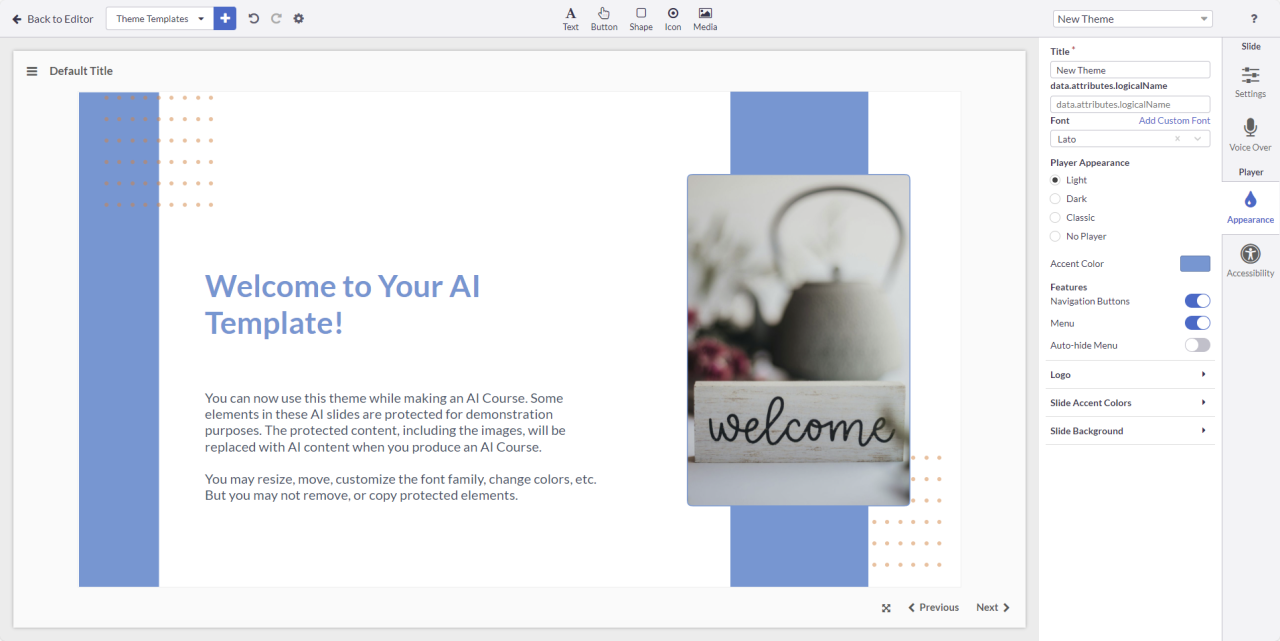
AI technology has revolutionized the way designers and brands approach color palette creation, enabling the generation of diverse and innovative color themes tailored to specific moods, branding needs, and accessibility requirements. These AI-generated themes not only enhance aesthetic appeal but also optimize user engagement and inclusivity.
In this section, we explore a selection of exemplary AI-created color schemes, highlighting their unique characteristics, underlying algorithms, and practical applications. Each example demonstrates how AI can craft cohesive and contextually appropriate color palettes that serve various purposes across industries.
Vivid Nature-Inspired Color Palette
This AI-generated theme draws inspiration from lush landscapes and vibrant flora. It combines bright greens, warm earthy browns, and subtle floral hues to evoke freshness, vitality, and harmony. Suitable for eco-friendly brands, wellness apps, and outdoor adventure products, this palette emphasizes natural authenticity and energetic positivity.
- Main Colors: Leaf Green, Earth Brown, Blossom Pink
- Usage: Backgrounds, accents, and call-to-action buttons.
- Advantages: Promotes a sense of growth, sustainability, and vitality.
This theme was generated using AI models trained on extensive datasets of nature photography and environmental branding materials, ensuring a cohesive and realistic representation of natural elements.
Minimalist Monochrome Theme
Designed for modern, sleek interfaces, this AI-generated palette features shades of gray, black, and white. Its simplicity enhances readability and user focus, making it ideal for tech companies, professional services, and luxury brands. The AI optimized this theme for high contrast and visual clarity, aligning with accessibility standards.
- Main Colors: Charcoal Gray, Pure White, Slate Black
- Usage: User interfaces, text, icons, and minimalistic branding.
- Advantages: Ensures accessibility, timeless appeal, and versatility across digital platforms.
The AI leveraged deep learning algorithms analyzing thousands of minimalist design examples to balance contrast ratios and color harmony effectively.
Warm Sunset Color Scheme
This palette captures the warm hues of sunset, including oranges, soft reds, and deep purples, evoking feelings of comfort, optimism, and creativity. It is particularly suited for entertainment, lifestyle brands, and seasonal marketing campaigns. AI models trained on vibrant sunset imagery produced this harmonious blend of colors that radiate warmth and emotional resonance.
- Main Colors: Tangerine Orange, Maroon Red, Twilight Purple
- Usage: Banner backgrounds, product packaging, and branding assets.
- Advantages: Enhances emotional appeal and creates a memorable visual identity.
Visual representations of this theme typically include gradient transitions that mimic the natural progression of sunset colors, providing a dynamic and engaging aesthetic.
Table Comparing AI-Generated Color Schemes
Below is a comparison table highlighting key aspects of each color theme, including mood, branding suitability, and accessibility considerations. This table helps in selecting the most appropriate palette based on project requirements and target audience.
| Color Scheme | Mood | Branding Suitability | Accessibility |
|---|---|---|---|
| Vivid Nature-Inspired | Fresh, vibrant, energetic | Eco-friendly, health, outdoor brands | High contrast in key elements enhances readability and inclusivity |
| Minimalist Monochrome | Modern, professional, sophisticated | Tech, luxury, corporate branding | Designed for high contrast; adheres to accessibility standards |
| Warm Sunset | Warm, inviting, creative | Lifestyle, entertainment, seasonal campaigns | Gradient transitions require careful contrast checks for accessibility |
These examples demonstrate how AI can produce diverse and tailored color themes, each suited to specific branding goals and audience needs, while considering accessibility to ensure inclusivity.
Methods to Personalize and Fine-tune AI-Generated Color Themes
Customizing AI-generated color themes to align with individual preferences enhances user satisfaction and ensures that the visual experience resonates with personal or brand-specific aesthetics. Personalization involves adjusting AI outputs and integrating user insights to refine color selections, creating themes that feel intuitive and desirable.
By adopting systematic techniques for fine-tuning and incorporating user feedback, designers and developers can achieve highly tailored color schemes. These methods facilitate continuous improvement, ensuring that AI-driven themes evolve in harmony with user needs and evolving design standards.
Adjusting AI Outputs for User Preferences
Fine-tuning AI-generated color themes begins with modifying output parameters to match specific user preferences. This often involves setting constraints or preferences within the AI model to influence the generated palette, such as prioritizing certain color families, adjusting saturation levels, or emphasizing particular tonal ranges.
Techniques include leveraging adjustable sliders or input parameters in AI tools that control aspects like hue, brightness, and contrast, enabling precise control over the final palette. For example, if a user prefers softer, pastel tones, the AI can be guided to generate themes with lower saturation and muted hues, aligning closer to their aesthetic.
Moreover, employing conditional inputs—such as specifying the desired mood or style—helps AI produce themes that better meet individual expectations. These adjustments enhance the relevance of generated themes, making them more personal and suitable for specific applications like branding, UI design, or artistic projects.
Incorporating User Feedback into AI Models
Integrating user feedback is critical for evolving AI models to produce more personalized and accurate color themes. Feedback can be collected through direct ratings, comments, or iterative testing, providing valuable insights into user preferences and perceptions.
Techniques for incorporation include retraining or fine-tuning AI models with datasets enriched by user responses, effectively teaching the AI to prioritize certain color combinations or styles that resonate with users. A practical example involves gathering user ratings on initial themes and using these preferences to adjust model parameters or retrain with a focus on preferred color patterns.
Another approach involves implementing reinforcement learning strategies, where the AI receives positive reinforcement for outputs that align well with user feedback, gradually improving its ability to generate personalized themes over time.
Organizations can also develop interactive interfaces allowing users to modify generated themes directly, providing real-time feedback that the AI can learn from, thus fostering a dynamic, user-centered refinement process.
Procedures for Iterative Theme Refinement
Iterative refinement ensures that AI-generated color themes are continuously improved to match user expectations. This systematic approach involves repeated cycles of evaluation, adjustment, and validation, enabling themes to evolve through feedback loops.
Typical procedures include:
- Generate an initial color theme based on user input or predefined preferences.
- Present the theme to the user for evaluation and gather specific feedback regarding aspects such as color harmony, mood, or suitability.
- Adjust AI parameters or constraints based on the feedback—this could involve tweaking hue ranges, saturation levels, or incorporating new stylistic preferences.
- Regenerate a refined theme using the updated parameters or model configurations.
- Repeat the process, collecting further feedback and making incremental modifications until the theme aligns with the user’s expectations and aesthetic standards.
For example, a designer working on a branding project might generate a set of themes, receive feedback emphasizing the need for more vibrant colors, and then adjust the saturation constraints in subsequent iterations. After several cycles, the final theme will be tailored to the brand’s identity, reflective of user and stakeholder preferences.
This iterative approach ensures that each refinement step moves closer to the ideal, fostering a collaborative and adaptive design process that leverages AI’s capabilities for personalized outcomes.
Best Practices for Implementing Customized Color Themes in Design Projects

Integrating AI-generated color themes into design projects requires strategic planning and meticulous execution to ensure visual coherence, brand consistency, and optimal user experience. Applying these themes effectively across various platforms and materials involves understanding key best practices that leverage AI capabilities while maintaining design integrity.
Adhering to established best practices ensures that customized color themes enhance the aesthetic appeal, reinforce brand identity, and improve user engagement across websites, applications, and marketing collateral. These guidelines assist designers and developers in deploying AI-driven themes seamlessly, fostering consistency, and facilitating efficient testing and refinement processes.
Methods for Integrating AI-Generated Color Themes into Digital and Print Media
Successful integration of AI-generated color themes involves translating digital color data into formats compatible with diverse media. For websites and apps, this includes exporting color palettes into CSS, JSON, or other coding formats that support dynamic theming. For branding materials, ensuring the color schemes are adaptable to print and digital formats guarantees consistent visual messaging.
Automated tools can assist in embedding themes directly into content management systems or design software, streamlining updates and modifications. For example, AI-driven plugins for design platforms like Adobe XD or Figma allow for real-time application of generated palettes, reducing manual adjustments and ensuring precise color matching across elements.
Maintaining Cross-Platform Consistency Using AI Tools
Consistency is vital in establishing a cohesive brand identity. AI tools facilitate this by analyzing usage patterns and automatically adjusting color schemes to preserve harmony across multiple platforms. Features such as centralized theme repositories and synchronization capabilities enable teams to manage color consistency efficiently.
Implementing version control and standardized color tokens with AI tools ensures that updates are uniformly propagated, reducing discrepancies. Additionally, AI-assisted testing tools can simulate how themes appear on different devices and lighting conditions, helping designers make informed adjustments for uniformity.
Tips for Effective Application and Testing of Customized Color Themes
| Tip | Implementation Strategy | Testing Method | Outcome |
|---|---|---|---|
| Define Clear Color Usage Guidelines | Create comprehensive documentation specifying where and how each color should be used within the project. | Review design prototypes against guidelines to ensure adherence. | Ensures consistency and prevents color misuse across platforms. |
| Utilize AI-Driven A/B Testing | Deploy different color themes to segments of users using AI tools to analyze engagement metrics. | Monitor performance and collect user feedback for optimal theme selection. | Optimizes user experience and aligns themes with audience preferences. |
| Implement Responsive Color Testing | Test color themes across various devices, screen sizes, and lighting conditions using AI simulation tools. | Adjust hues and contrasts based on AI-generated reports to maintain visual clarity. | Maintains visual consistency and accessibility standards across all platforms. |
| Maintain a Centralized Color Repository | Use AI-enabled asset management systems to store and manage all color palettes. | Regularly audit and update color assets to reflect branding changes or design updates. | Promotes uniformity and simplifies theme updates across projects. |
Challenges and Solutions in AI-based Color Theme Customization
Implementing AI for color theme customization offers numerous advantages, including efficiency, personalization, and innovative design possibilities. However, it also presents a series of challenges that need to be carefully addressed to ensure optimal results. Recognizing these obstacles and applying effective solutions is essential for achieving harmonious, accessible, and user-preferred color schemes that enhance overall user experience and design integrity.
Among the primary challenges are maintaining color harmony, ensuring accessibility compliance, and managing conflicting user preferences. These issues require strategic approaches, including rigorous testing and validation processes, to deliver reliable and high-quality color themes tailored to diverse contexts and audiences.
Color Harmony and Aesthetic Cohesion
One common obstacle involves achieving visual harmony within generated color themes. AI algorithms may produce color combinations that, although technically diverse, lack aesthetic appeal or coherence. This can result in disjointed visual experiences that detract from the design’s effectiveness.
To address this, it is crucial to incorporate established color theory principles into AI models. Techniques such as using color harmony rules—complementary, analogous, or triadic schemes—help guide AI in generating more cohesive palettes. Implementing feedback loops where designers review and refine AI outputs can further improve harmony, ensuring that automated suggestions align with human aesthetic judgment.
Accessibility and Inclusivity
Ensuring that color themes are accessible to users with visual impairments, such as color blindness, is an essential challenge in AI-based customization. Without proper safeguards, AI may generate color combinations that are difficult for certain users to perceive correctly, compromising usability and inclusivity.
Strategies to overcome this include integrating accessibility guidelines—such as the Web Content Accessibility Guidelines (WCAG)—into AI models. Using contrast ratio calculations, simulated color blindness filters, and validation checks during the generation process can help identify and rectify accessibility issues. Additionally, providing options for users to customize or select from pre-validated accessible themes enhances inclusivity.
User Preference Conflicts
Balancing AI-generated suggestions with individual user preferences can be complex. Users may have unique tastes or specific branding requirements that conflict with the AI’s recommendations, necessitating flexible solutions to accommodate diverse needs.
Implementing iterative customization workflows allows users to fine-tune AI-generated themes easily. Interactive interfaces that enable real-time adjustments, combined with machine learning models that learn from user feedback, can help reconcile AI suggestions with personal or organizational preferences. This approach ensures that the final color theme aligns with user expectations while leveraging AI efficiencies.
Testing and Validation Procedures
Robust testing and validation are vital to overcoming challenges in AI-driven color theme customization. These processes verify that generated themes meet aesthetic, accessibility, and user-specific criteria before deployment.
The validation workflow typically involves:
- Automated Contrast and Accessibility Checks: Use software tools to evaluate contrast ratios and simulate visual impairments, ensuring themes comply with accessibility standards.
- Human-in-the-Loop Review: Engage designers or end-users to assess the visual appeal and appropriateness of generated themes, providing qualitative feedback.
- Iterative Refinement: Incorporate feedback into the AI model, retraining or adjusting algorithms to improve future outputs.
- Real-world Testing: Deploy themes in actual design projects or user interfaces to monitor performance, usability, and user satisfaction over time.
Implementing comprehensive testing and validation strategies ensures AI-generated color themes are not only visually appealing but also inclusive, functional, and aligned with user expectations, reducing the risk of costly redesigns or accessibility issues.
Last Word

In conclusion, leveraging AI for color theme customization opens new horizons for designers seeking efficiency and personalization. By embracing these advanced tools and methods, you can create visually harmonious and user-centric digital experiences. The future of design lies in the seamless integration of artificial intelligence, offering endless possibilities to craft unique and compelling color schemes with ease.