Exploring how to enhance audience engagement using AI reveals innovative strategies transforming the way organizations connect with their audiences. By leveraging advanced AI tools, businesses and content creators can foster more personalized, interactive, and meaningful interactions that captivate and retain their viewers. This approach not only improves engagement rates but also ensures a more tailored experience that resonates with diverse audience preferences.
The comprehensive utilization of AI encompasses real-time interaction through chatbots, personalized content recommendations, dynamic content adjustments, and sophisticated data analysis. These techniques enable organizations to understand their audiences better, adapt content proactively, and create immersive experiences. Emphasizing ethical considerations and studying successful case studies further enhances the effectiveness of AI-driven engagement initiatives.
Strategies for Leveraging AI to Boost Audience Engagement
In today’s dynamic event landscape, harnessing artificial intelligence (AI) offers innovative avenues to deepen audience involvement and create memorable experiences. Integrating AI-driven tools can transform passive spectators into active participants, fostering a more personalized and interactive environment that resonates with individual preferences and behaviors.
Implementing effective AI strategies requires a clear understanding of how these technologies can complement traditional engagement methods. By seamlessly embedding AI functionalities into live events, organizers can facilitate real-time interactions, tailor content delivery, and gather valuable feedback, all contributing to enhanced audience satisfaction and loyalty.
Integrating AI-Powered Chatbots into Live Events for Real-Time Audience Interaction
Deploying AI-powered chatbots during live events presents a powerful method to facilitate instant communication and address audience inquiries without delays. These chatbots can serve as virtual assistants, providing event schedules, speaker information, or navigational guidance, thereby enriching the attendee experience.
To effectively incorporate chatbots, event organizers should first select platforms compatible with their event infrastructure. Training the chatbot with relevant data ensures accurate responses, while integrating it across multiple channels such as event apps, social media, and websites maximizes accessibility. During the event, chatbots can engage audiences through interactive polls, answer FAQs, or even initiate personalized conversations based on user profiles, fostering a sense of direct engagement and responsiveness.
Customizing AI Content Recommendations Based on User Behavior Patterns
Understanding attendee preferences is crucial for delivering relevant content that sustains engagement. AI analytics can track user interactions, session attendance, and content consumption patterns, providing insights to tailor recommendations dynamically.
Implementing this approach involves collecting data through event apps, Wi-Fi interactions, or social media engagement, followed by processing this information using machine learning algorithms. These algorithms identify preferences and predict future interests, allowing for personalized session suggestions, targeted notifications, or curated content feeds. For example, if data indicates an attendee frequently visits technology-related sessions, AI can recommend upcoming events or speakers aligned with this interest, thereby increasing relevance and participation.
Deploying AI-Driven Surveys to Gather Audience Feedback Effectively
Gathering genuine and actionable feedback is vital for continuous improvement. AI-driven surveys enhance this process by adapting questions in real-time based on previous responses, ensuring that feedback collection is both engaging and comprehensive.
Organizers should utilize AI-powered survey platforms that analyze response patterns to identify key themes and sentiment. These tools can craft follow-up questions tailored to specific feedback points, encouraging detailed input. Additionally, deploying chatbots to facilitate surveys enables conversational feedback collection, making the process more natural and less burdensome for participants. For instance, after a session, an AI chatbot can prompt attendees with personalized questions about their experience, capturing nuanced insights that traditional surveys might miss.
Personalization Techniques Using AI for Audience Interaction

In today’s digital landscape, delivering personalized content has become essential for fostering meaningful audience engagement. Leveraging AI technologies enables content creators and marketers to tailor experiences that resonate deeply with individual preferences, thereby enhancing user satisfaction and loyalty. Implementing effective personalization techniques requires a strategic understanding of data utilization, audience segmentation, and dynamic content delivery.
AI-driven personalization revolves around analyzing vast amounts of user data to identify unique behaviors, interests, and demographics. This information informs the creation of customized content streams that adapt in real-time to each viewer’s interaction patterns. Employing these techniques not only boosts engagement metrics but also cultivates a sense of relevance and connection between the audience and the content provider.
Designing Personalized Content Streams Based on User Preferences
Creating tailored content streams begins with comprehensive data collection, including browsing history, interaction logs, social media activity, and explicit user preferences. Advanced AI algorithms analyze this data to discern individual interests and consumption patterns. Based on these insights, content platforms can curate personalized playlists, article recommendations, or multimedia feeds that align with the user’s specific tastes.
For example, streaming services like Netflix or Spotify utilize AI to recommend movies, shows, or songs that match a user’s prior interactions. These recommendations are continually refined through real-time feedback, ensuring the content remains relevant and engaging. Personalization also involves adjusting content formats and presentation styles—such as highlighting trending topics relevant to the user or customizing notification alerts—to foster ongoing engagement.
Utilizing AI Algorithms for Audience Segmentation and Targeted Messaging
Effective segmentation is vital for delivering targeted messages that resonate with distinct audience groups. AI algorithms analyze demographic data, behavioral patterns, and engagement metrics to classify audiences into meaningful segments. This process allows marketers to craft tailored messages that address specific needs, interests, or pain points of each group.
The segmentation process can employ machine learning models such as clustering algorithms, which group users based on similarity attributes. For instance, an e-commerce platform might segment customers into categories like frequent buyers, seasonal shoppers, or first-time visitors. Targeted campaigns can then be designed to boost conversion rates—for example, offering exclusive discounts to loyal customers or personalized product recommendations for seasonal shoppers.
Implementing AI-Based Dynamic Content Adjustments During Engagement Sessions
Dynamic content adaptation during active engagement sessions ensures that audiences receive the most relevant and timely content possible. AI systems monitor user interactions in real-time, analyzing factors such as click patterns, time spent on content, and feedback signals to adjust the content presentation instantaneously.
This approach involves deploying AI models capable of predicting user preferences and proactively modifying content elements. For example, a news website might prioritize displaying articles related to topics a user has recently read about or alter the tone and complexity based on the user’s engagement history. Such real-time adjustments create a seamless and personalized experience, encouraging longer sessions and higher interaction levels.
Implementing real-time AI-driven content adjustments requires robust data pipelines and sophisticated algorithms that can process and respond to user behavior instantaneously, fostering deeper engagement and satisfaction.
Content Creation and Curation with AI Tools
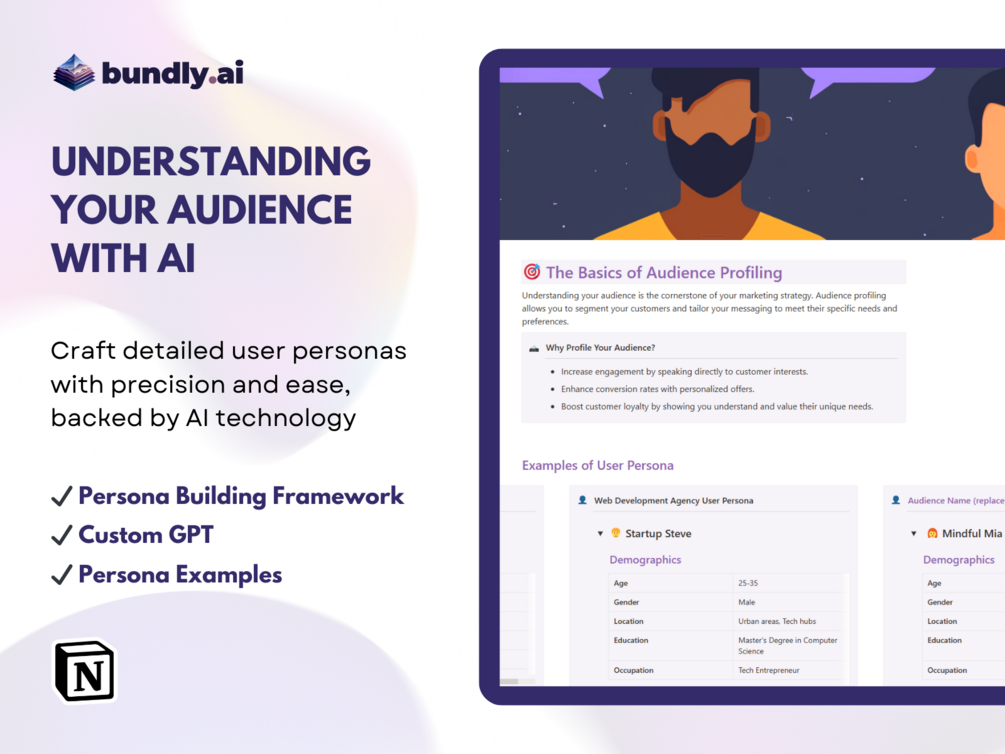
In the rapidly evolving digital landscape, leveraging AI tools for content creation and curation has become essential for engaging audiences effectively. These technologies enable creators to produce compelling multimedia content, ensure relevance through intelligent curation of user-generated content, and design interactive experiences that foster deeper audience connection. Implementing structured workflows with AI not only enhances content quality but also streamlines the entire engagement process, making it more efficient and personalized.
By integrating AI-driven platforms into content strategies, organizations can automate complex tasks, maintain high standards of relevance, and create interactive elements that resonate with diverse audience segments. This approach ensures that content remains fresh, engaging, and aligned with audience interests, ultimately boosting engagement metrics and fostering long-term loyalty.
Developing Workflows for Engaging Multimedia Content
Designing effective workflows with AI platforms involves several key steps to ensure the consistent production of engaging multimedia content. These workflows enable content creators to automate mundane tasks, focus on creativity, and maintain high standards of quality.
- Content Ideation and Planning: Utilize AI-powered analytics tools to identify trending topics, audience preferences, and content gaps. Platforms like BuzzSumo or Crayon can provide insights to inform content themes that will resonate strongly with target demographics.
- Content Generation: Leverage AI content creation tools such as Canva’s AI features for designing visuals, Lumen5 for transforming text into engaging videos, and Jasper.ai for drafting compelling narratives. These platforms accelerate production while maintaining originality.
- Content Optimization: Apply AI-driven tools like SEMrush or MarketMuse to optimize multimedia content for search engines, ensuring higher visibility and broader reach.
- Publishing and Distribution: Use automation tools like Hootsuite or Buffer with AI features to schedule and distribute content across multiple channels strategically, maximizing audience engagement.
Curating Relevant User-Generated Content with AI Moderation Tools
Curating user-generated content (UGC) is vital for fostering community and authenticity. AI moderation tools facilitate this process by filtering, selecting, and managing UGC efficiently, ensuring that only relevant and appropriate content is showcased.
- Automated Content Filtering: Platforms like Akismet or Perspective utilize natural language processing (NLP) to automatically identify spam, offensive language, or irrelevant comments, maintaining a positive environment.
- Relevance Assessment: AI algorithms analyze engagement metrics and contextual cues to highlight the most pertinent UGC, such as highly liked posts, valuable comments, or trending topics.
- Content Tagging and Categorization: Use AI tools like Clarifai or Google Vision API to analyze visual UGC, tagging images or videos with relevant s for easy retrieval and curated display.
- Monetization and Rights Management: AI solutions assist in tracking content rights and usage, ensuring compliance and facilitating seamless integration of UGC into marketing efforts.
Assembling Interactive AI Elements for Audience Engagement
Incorporating interactive AI elements enhances user participation and creates memorable experiences. Quizzes, polls, and gamified content powered by AI are instrumental in increasing engagement rates and gathering valuable insights.
- AI-Driven Quizzes and Polls: Platforms like Typeform or Mentimeter incorporate AI to personalize questions based on user responses, increasing relevance and engagement. These tools analyze response patterns to generate insights about audience preferences.
- Gamified Content Creation: Use AI-powered gamification platforms such as Kahoot! or Playbuzz to design immersive challenges, leaderboards, and rewards systems. AI helps adapt difficulty levels and personalize experiences based on user behavior.
- Personalized Interactive Experiences: Implement chatbots integrated with AI to provide real-time, personalized interactions, answer queries, and guide users through content, creating a dynamic engagement environment.
- Data-Driven Content Adaptation: AI analyzes user interactions with quizzes, polls, and gamified content to refine future content offerings, ensuring continuous improvement in engagement strategies.
Analyzing Audience Data with AI to Enhance Engagement
Harnessing the power of AI-driven analytics allows content creators and marketers to gain deep insights into audience behaviors, preferences, and engagement patterns. By systematically analyzing real-time data, organizations can tailor their strategies to foster stronger connections with their audiences, thereby maximizing engagement and retention.
Implementing AI for audience data analysis involves setting up advanced dashboards that provide instant visualizations of key metrics. These tools enable continuous monitoring of how audiences interact with content across different platforms, revealing valuable insights that would be difficult to discern manually. By leveraging AI insights, professionals can proactively adapt their content strategies, optimize engagement efforts, and anticipate audience needs more accurately.
Setting Up AI-Driven Analytics Dashboards for Real-Time Engagement Monitoring
Effective engagement enhancement begins with establishing robust analytics dashboards powered by AI technologies. These dashboards aggregate data from multiple channels, such as social media, websites, and email campaigns, providing a comprehensive view of audience interactions. To set up such dashboards:
- Integrate data sources using APIs or data connector tools to ensure seamless data flow from various platforms.
- Utilize AI-powered analytics platforms like Google Data Studio, Tableau with AI extensions, or specialized tools such as HubSpot or Mixpanel, which offer real-time tracking and AI-driven insights.
- Configure KPIs relevant to audience engagement, such as click-through rates, time spent on content, share frequency, and bounce rates.
- Implement machine learning algorithms that continuously analyze incoming data, flag anomalies, and generate actionable insights.
The dashboards should be customizable, allowing stakeholders to focus on specific segments or content types. Regular maintenance and updates ensure that the analytics remain relevant and aligned with evolving engagement goals.
Identifying Engagement Spikes and Declines through AI Insights
Understanding when and why engagement levels fluctuate is critical for timely and effective responses. AI tools can automatically detect patterns indicating spikes or declines in audience interaction, providing alerts based on real-time data analysis. This process involves:
- Applying machine learning models trained to recognize patterns associated with high or low engagement, such as sudden surges in comments or shares, or drops in page views.
- Utilizing anomaly detection algorithms that flag unusual activity, whether positive (viral content) or negative (drop in interest).
- Analyzing contextual data, such as trending topics, seasonal factors, or external events, to interpret engagement changes accurately.
- Creating dashboards that visually display these fluctuations with time-stamped annotations, enabling rapid response planning.
For example, an AI system might alert marketers when a post’s engagement metrics deviate significantly from typical patterns, prompting immediate review or amplification of the content.
Utilizing AI Predictions to Adapt Future Content Strategies Proactively
AI not only analyzes past and present data but also predicts future audience behaviors and preferences. These predictive insights enable content strategists to make informed decisions that enhance engagement before issues arise or opportunities fade. Key methods include:
- Implementing predictive analytics models that forecast engagement levels based on historical data, current trends, and audience demographics.
- Using AI to identify emerging content themes or topics likely to resonate with the target audience, thus informing content planning.
- Adapting posting schedules dynamically based on predicted peak engagement times for specific audience segments.
- Testing different content formats or messaging strategies through AI-simulated scenarios to assess potential impact before full deployment.
For instance, a retailer might use AI forecasts to determine that product review videos tend to generate higher engagement during holiday seasons, prompting strategic content creation aligned with these insights.
Ethical Considerations and Best Practices in AI Audience Engagement

Engaging audiences through AI-driven technologies offers immense potential for creating personalized, efficient, and impactful experiences. However, as organizations increasingly rely on AI for audience interactions, it becomes crucial to uphold ethical standards that foster trust, respect privacy, and promote inclusivity. Ensuring that AI deployment aligns with ethical principles not only safeguards audience rights but also sustains long-term engagement and brand integrity.Maintaining ethical standards in AI audience engagement involves establishing clear guidelines that prioritize transparency, data privacy, and inclusivity.
These principles serve as the foundation for responsible AI use, ensuring that audiences feel secure and valued while interacting with AI-powered platforms.
Transparency in AI Deployment
Transparency is fundamental to building trust and credibility when deploying AI for audience interaction. Organizations must communicate openly about how AI systems operate, the type of data collected, and the purposes behind data use. Providing clear disclosures about AI functionalities helps audiences understand what to expect, reduces suspicion, and fosters informed engagement.Key practices include:
- Explicitly informing users when they are interacting with AI systems rather than humans.
- Describing the scope of data collection and usage policies in accessible language.
- Providing options for audiences to opt out of AI-driven features or data collection processes.
- Regularly updating users about any changes in AI technologies or data practices to maintain ongoing transparency.
Implementing transparent communication channels, such as FAQs, notices, and consent forms, ensures audiences are aware and can make informed decisions regarding their interactions.
Data Privacy and Security Procedures
Protecting audience data is paramount in AI-driven engagement initiatives. Organizations must adopt robust procedures to safeguard sensitive information against unauthorized access, breaches, and misuse. These measures not only comply with legal requirements, such as GDPR or CCPA, but also reinforce audience confidence.Best practices encompass:
- Implementing encryption protocols for data in transit and at rest to prevent interception and unauthorized access.
- Applying anonymization and pseudonymization techniques to minimize the risk of identifying individual users from stored data.
- Establishing strict access controls and authentication measures to limit data access to authorized personnel only.
- Regularly conducting security audits and vulnerability assessments to identify and address potential weaknesses.
- Developing clear data retention policies that specify how long data is stored and when it is securely deleted.
Being transparent about data handling practices and providing users with control over their information—such as options to review, update, or delete their data—are vital components of ethical data management.
Creating Inclusive AI Experiences
Ensuring AI systems serve diverse audiences equitably involves designing experiences that respect cultural differences, language diversity, and varied accessibility needs. Inclusive AI promotes engagement from all segments of the audience, fostering a sense of belonging and respect.Principles for inclusive AI development include:
- Incorporating diverse data sets during AI training to prevent biases that could marginalize certain groups.
- Implementing multilingual support and culturally sensitive content to accommodate global audiences.
- Designing interfaces that are accessible to users with disabilities, such as screen reader compatibility, voice commands, and adjustable visual elements.
- Conducting regular bias audits and user feedback sessions to identify and rectify unintended disparities or exclusions.
- Engaging with diverse stakeholder groups during development to understand different audience needs and preferences.
By adhering to these principles, organizations can foster AI experiences that are fair, respectful, and welcoming for all users, thereby enhancing overall engagement and brand loyalty.
Case Studies and Examples of Successful AI-Enhanced Engagement
Real-world applications of AI in audience engagement provide valuable insights into effective strategies and innovative tools that have yielded measurable results. By examining diverse case studies, organizations can identify best practices, understand the challenges faced, and recognize opportunities to tailor AI solutions to their unique needs. These examples highlight how AI-driven approaches have transformed interactions, increased participation, and fostered meaningful connections between brands and their audiences.
Through detailed analysis of these cases, it becomes evident that successful AI integration hinges on selecting the right technology, maintaining ethical standards, and continuously refining engagement tactics based on data-driven insights. The following examples demonstrate a spectrum of AI applications that have successfully enhanced audience engagement across various sectors, from entertainment to e-commerce and education.
Personalized Content Delivery in Streaming Services
One of the most prominent applications of AI in audience engagement is within the streaming industry, where platforms like Netflix and Hulu leverage sophisticated algorithms to personalize content recommendations. These systems analyze user viewing history, preferences, and behavioral patterns to suggest tailored content, significantly increasing viewer retention and satisfaction.
For example, Netflix’s recommendation engine uses collaborative filtering and deep learning models to predict users’ preferences with high accuracy. The platform reports that personalized recommendations account for approximately 75% of viewer activity, illustrating the power of AI to enhance engagement through relevant content delivery.
Notably, Netflix also employs AI for dynamic thumbnail selection, testing different images to determine which visual prompts generate higher click-through rates among specific user segments. This iterative process exemplifies how AI can fine-tune presentation elements to optimize user interaction.
Chatbots and Virtual Assistants in Customer Support
Many organizations utilize AI-powered chatbots to facilitate real-time customer support and engagement, providing instant responses and personalized assistance. These bots employ natural language processing (NLP) and machine learning to understand and address customer queries effectively.
For instance, Sephora’s Virtual Artist chatbot allows users to try on makeup virtually through augmented reality and receive personalized product recommendations based on their preferences. The chatbot’s ability to analyze user inputs and provide tailored suggestions has led to increased product conversions and customer satisfaction.
Additionally, AI chatbots help streamline engagement during promotional campaigns by proactively reaching out to users with relevant offers, reminders, or content, thereby maintaining continuous interaction and strengthening brand loyalty.
AI-Driven Content Curation for Social Media Campaigns
Content curation with AI tools enables brands to deliver highly targeted and timely content to their audiences, boosting engagement rates on social media platforms. These tools analyze trending topics, audience sentiment, and engagement metrics to inform content strategies.
For example, Coca-Cola employed AI-driven sentiment analysis to monitor consumer reactions during a major campaign, enabling real-time adjustments to messaging and visuals. This responsiveness fostered deeper engagement and improved campaign effectiveness.
AI content curation tools like Cortex or BuzzSumo assist marketers in identifying high-performing content ideas, scheduling posts at optimal times, and personalizing messages for different audience segments, thereby maximizing reach and interaction.
Insights from Data-Driven Campaigns and Lessons Learned
Analyzing audience data with AI has revealed critical patterns and preferences that inform future engagement strategies. Successful campaigns rely on a cycle of continuous data collection, analysis, and optimization.
For instance, a global fashion retailer used AI analytics to identify emerging trends and preferences among different demographics, allowing for the tailoring of product recommendations and marketing content. This approach led to a 30% increase in online engagement and a notable uplift in conversion rates.
Lessons learned from these applications emphasize the importance of transparency, ethical data use, and alignment with audience expectations. Moreover, integrating AI insights with creative storytelling enhances authenticity and fosters trust, which are essential for sustained engagement.
Closing Notes

In summary, integrating AI into audience engagement strategies opens new horizons for creating dynamic, personalized, and impactful interactions. By adopting best practices and learning from successful examples, organizations can significantly elevate their engagement levels and foster stronger connections. Embracing these innovative approaches promises a future of more meaningful and responsive audience relationships.