Learning how to create sales pitch decks using AI can significantly transform your approach to crafting compelling and persuasive presentations. By leveraging artificial intelligence, businesses can streamline the development process, enhance creativity, and produce visually engaging decks that resonate with their target audience. This innovative integration not only saves time but also elevates the overall quality of sales pitches, making them more impactful and memorable.
In this guide, we will explore the essential elements of a persuasive pitch deck, evaluate suitable AI tools, and provide practical techniques for generating content and designing visuals. Additionally, you’ll discover how to structure and refine your pitch decks efficiently, ensuring a seamless presentation that captures attention and drives results.
Understanding the Importance of AI in Creating Sales Pitch Decks
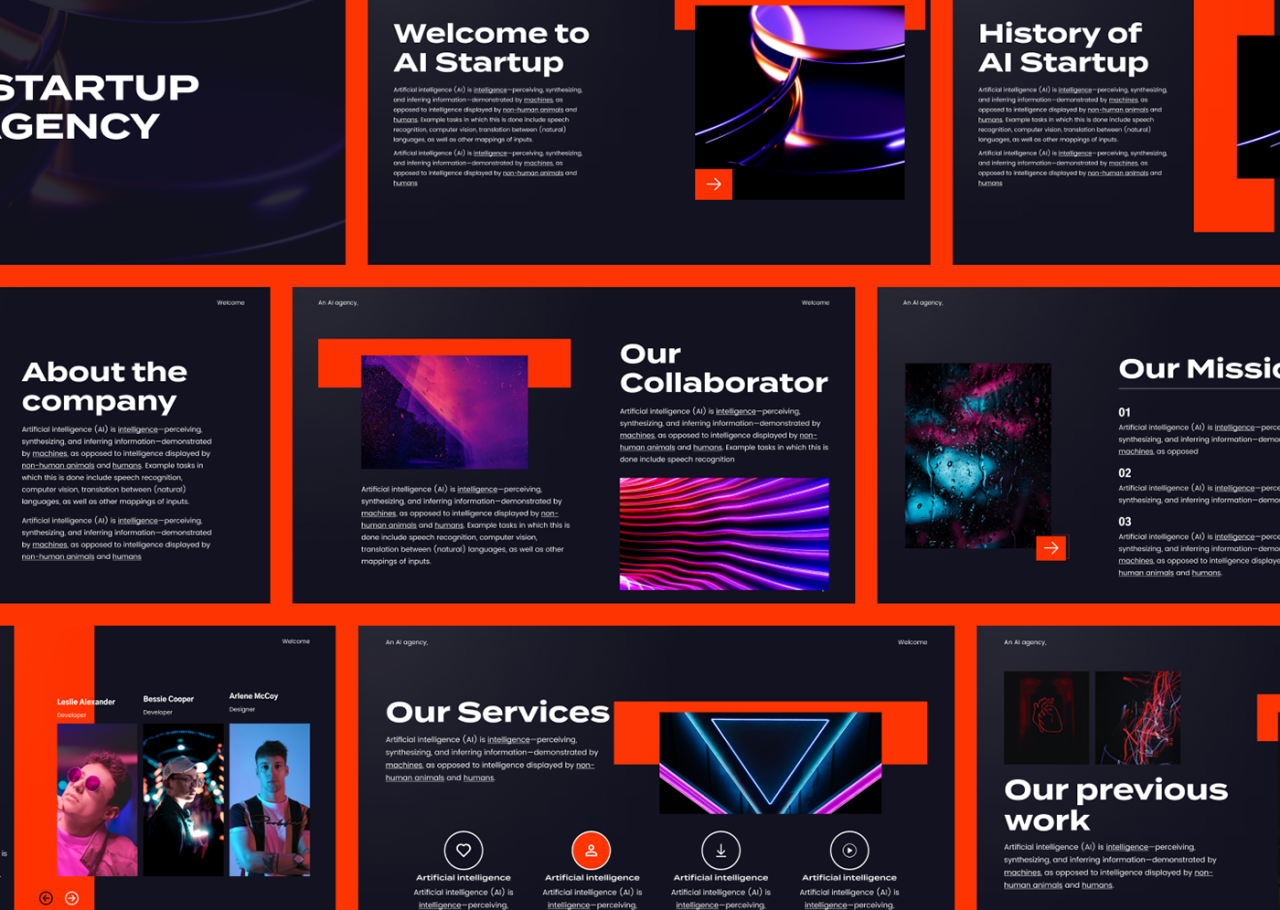
Artificial Intelligence (AI) has transformed the landscape of sales presentation development by offering innovative tools that enhance both the speed and quality of pitch decks. In today’s competitive market, leveraging AI not only streamlines the creation process but also empowers sales teams and marketers to craft compelling, data-driven narratives that resonate with their audiences. Recognizing the significance of AI in this context is essential for businesses aiming to stay ahead in their industry.
AI’s role in streamlining pitch deck development involves automating time-consuming tasks such as content generation, design formatting, and data visualization. This automation allows teams to focus more on strategic storytelling and client engagement. Additionally, AI enhances creativity by providing intelligent suggestions for layouts, color schemes, and content structure based on industry best practices and audience preferences. The integration of AI tools results in more cohesive, visually appealing, and persuasive presentations, ultimately increasing the likelihood of successful sales conversions.
The Role of AI in Streamlining Pitch Deck Development
Artificial Intelligence accelerates the process of creating sales pitch decks through automation and intelligent content management. AI-powered platforms can rapidly generate Artikels, suggest relevant visuals, and optimize layouts to ensure clarity and impact. For example, AI tools such as SlideModel or Beautiful.ai can analyze the user’s input and produce professional-looking slides within minutes, saving hours of manual work.
Furthermore, AI streamlines data analysis by automatically extracting insights from complex datasets, enabling sales teams to incorporate compelling statistics and trends without extensive manual effort. This automation not only reduces human error but also ensures the presentation remains data-accurate and persuasive.
Enhancement of Creativity and Efficiency in Designing Sales Presentations
AI-driven design tools leverage machine learning algorithms to offer creative suggestions that align with the target audience and branding guidelines. For instance, AI can recommend color palettes, typography, and visual elements that evoke the desired emotional response, leading to more memorable presentations. These tools analyze successful pitch decks across industries and adapt design principles to suit specific needs, thus elevating the overall quality of the output.
Efficiency is further improved as AI automates repetitive tasks such as formatting, layout adjustments, and content alignment. This allows sales professionals to focus on tailoring key messages and storytelling strategies rather than technical details. The result is a polished, professional pitch deck produced in a fraction of the time it would take through manual methods, enabling quicker responses to market opportunities.
Benefits of Integrating AI Tools into Pitch Deck Creation
Incorporating AI into the pitch deck creation process offers numerous advantages that enhance the effectiveness and productivity of sales teams. These benefits include:
- Time Savings: Automated content generation and design recommendations significantly reduce the time required to develop high-quality presentations.
- Data-Driven Insights: AI can analyze market trends and customer data to craft personalized pitches, increasing engagement and conversion rates.
- Consistency and Branding: AI ensures that all visual and content elements adhere to brand guidelines, maintaining a professional and cohesive look across all decks.
- Enhanced Creativity: Intelligent suggestions foster innovative ideas and visually appealing layouts that may not emerge through traditional methods.
- Scalability: AI tools facilitate rapid customization for different clients or sectors, enabling sales teams to produce multiple tailored decks efficiently.
Integrating AI into sales pitch deck creation not only boosts productivity but also enhances the strategic quality of presentations, positioning companies for higher success rates in competitive markets.
Key Elements of a Persuasive Sales Pitch Deck
Creating an effective sales pitch deck requires a strategic arrangement of essential components that can captivate and persuade potential clients or investors. These key elements serve as the foundation for communicating your value proposition clearly and compellingly. Leveraging AI tools can streamline the development of these components, ensuring that each element is crafted with precision and impact.
Understanding the core components of a persuasive sales pitch deck enables presenters to construct a logical narrative that resonates with their audience. Each element plays a vital role in guiding viewers through the story of your product or service, addressing their needs, and motivating action. The following table illustrates the relationships among these critical components and provides examples of effective content for each.
Essential Components of a Sales Pitch Deck
| Component | Purpose | Content Examples | Relationship with Other Components |
|---|---|---|---|
| Problem Statement | Defines the pain point or challenge faced by the target audience, establishing relevance and urgency. | “Small retail businesses struggle with inventory management, leading to stock shortages and lost sales.” | Sets the context for the solution; directly informs the Solution component. |
| Solution | Displays how your product or service addresses the identified problem effectively. | “Our AI-powered inventory management system optimizes stock levels in real-time, reducing shortages and overstocking.” | Builds upon the Problem Statement to demonstrate value and feasibility. |
| Market Analysis | Provides data on target market size, growth potential, and competitive landscape to justify opportunity. | “The global retail inventory management market is projected to grow at 12% CAGR over the next five years, with over 5 million potential users.” | Supports the Solution by showing demand and market readiness. |
| Call-to-Action | Encourages the audience to take specific next steps, driving engagement or sales. | “Contact us today for a free demo and see how our solution can transform your inventory management.” | Closes the pitch by linking the entire narrative to an actionable step. |
“An effective sales pitch deck seamlessly integrates problem, solution, market opportunity, and call-to-action into a compelling story that propels the audience toward decision-making.”
Selecting the Right AI Tools for Pitch Deck Creation
Choosing an appropriate AI platform for developing sales pitch decks is a vital step in streamlining your presentation creation process. The right tool can significantly enhance the quality, customization, and efficiency of your decks, allowing you to craft compelling narratives backed by advanced technology. With numerous AI solutions available, understanding their features and evaluating their suitability for your specific needs ensures optimal results and a seamless workflow.
Evaluating AI tools involves examining their ease of use, customization capabilities, and the overall quality of their output. An ideal platform should offer an intuitive interface that minimizes learning curves, flexible options for tailoring content to your brand and audience, and high-quality visuals and data integration that elevate your pitch. Making informed choices based on these criteria will support the creation of persuasive, professional sales deck presentations.
Recommended AI Resources for Pitch Deck Creation
Below is a list of some popular AI-powered tools that can assist in creating impactful sales pitch decks, along with brief descriptions of their core features and advantages:
- Beautiful.ai: An AI-driven presentation platform that automates slide design, ensuring visual consistency and professional aesthetics. It offers customizable templates and smart layouts that adapt to your content, simplifying the creation process.
- Canva with AI Features: A widely-used graphic design tool that incorporates AI elements such as magic resize, background removal, and content suggestions. It provides an extensive library of templates suitable for pitch decks and easy drag-and-drop editing.
- Visme: Combines AI-driven data visualization with presentation creation, enabling users to craft engaging slides with animated charts, infographics, and interactive content, enhancing audience engagement.
- Beautiful.ai: An AI-powered tool focusing on simplifying slide design through automation, ideal for quick, polished presentations with minimal effort.
- Designs.ai: Provides AI-based tools for creating logos, videos, and presentations, with a focus on branding consistency and rapid content generation.
- Slidebean: An AI-powered presentation platform that automatically arranges content into professional layouts, allowing users to focus on content quality while the AI handles the aesthetics and structure.
When selecting an AI tool, prioritize platforms that align with your workflow, offer sufficient customization, and produce visually compelling and coherent decks that resonate with your target audience.
Designing Visual Elements with AI Assistance

Creating compelling visual elements is a crucial aspect of developing persuasive sales pitch decks. Leveraging AI tools streamlines this process by enabling the rapid generation of high-quality visuals, charts, and infographics tailored to support your messaging effectively. AI-driven design not only saves time but also enhances the aesthetic appeal and clarity of your presentation, ensuring that complex data and concepts are communicated with impact.AI can assist in developing visuals that resonate with your audience by analyzing the content of your pitch and suggesting or generating relevant images, icons, and graphics.
This integration ensures that each visual element complements the narrative seamlessly, reinforcing key points without overshadowing the message. Additionally, AI tools can automate the customization of color schemes, styles, and layouts, aligning visuals with your brand identity or specific presentation themes.Utilizing AI for visual creation involves understanding its capabilities in data visualization, image synthesis, and layout optimization. These tools can interpret raw data to produce clear, engaging charts and infographics, transforming complex statistics into easily digestible visuals.
They can also generate unique images based on descriptive prompts, enabling the creation of tailored visuals that precisely match the tone and context of your pitch. By doing so, you can craft visuals that clarify messages, highlight trends, and persuade your audience effectively.
Utilizing AI for Creating Charts, Infographics, and Visuals
Effective sales pitch decks rely heavily on visual storytelling, making the use of AI-powered tools essential for creating impactful graphics. AI can analyze datasets and automatically generate various types of charts—such as bar, line, pie, or scatter plots—optimized for clarity and visual appeal. These tools often offer customization options, allowing you to adjust color schemes, labels, and data points to better suit your narrative.AI-driven infographic generators can synthesize multiple data points into cohesive visual summaries, enabling you to present complex information in a simplified, engaging manner.
For example, AI tools like Canva’s Smart Design feature or Visme’s data visualization modules can assist in designing professional-looking infographics rapidly, ensuring consistency across slides and enhancing overall message delivery.In addition to data visualization, AI can aid in creating custom visuals that support your storytelling. For instance, using generative AI models like DALL·E or Midjourney, you can develop unique images based on descriptive prompts that reflect your product, service, or industry themes.
These AI-created visuals can help illustrate abstract concepts, demonstrate product features, or evoke emotional responses—thus making your pitch more memorable.
Developing Images that Complement the Pitch Narrative
Crafting visuals that align with and reinforce your pitch narrative requires thoughtful integration of AI-generated imagery. AI image synthesis tools can produce high-quality, contextually relevant visuals by interpreting detailed prompts—such as “a futuristic office environment” or “a smiling diverse team collaborating.” These images can be tailored to match the tone and style of your presentation, whether professional, innovative, or friendly.To ensure visuals enhance message clarity, it is essential to focus on generating images that are straightforward and directly related to key points.
For example, if discussing market growth, an AI-created image could depict upward-trending graphs integrated with relevant icons or symbolic representations. Such visuals help the audience quickly grasp the message, reducing cognitive load and increasing engagement.Furthermore, AI can assist in refining images through editing features like background removal, style transfer, or color adjustments. This flexibility allows you to adapt visuals dynamically, ensuring they seamlessly fit within the overall design of your pitch deck.
When images are well-aligned with the narrative, they serve as powerful tools to evoke emotional responses, build credibility, and emphasize critical insights, ultimately enhancing the persuasive impact of your sales presentation.
Automating Revisions and Fine-Tuning the Pitch Deck

Creating an impactful sales pitch deck requires not only initial design and content but also continuous refinement to ensure clarity and maximum persuasive power. Leveraging AI in this phase allows creators to efficiently review, revise, and optimize their decks, ultimately leading to more compelling presentations. Employing AI-driven tools for revisions can streamline the editing process, saving valuable time and enhancing the overall quality of the pitch.AI can analyze the content of a pitch deck to identify areas that may lack clarity or impact.
For example, natural language processing algorithms can suggest rephrasing complex sentences, eliminate redundant information, and highlight sections that require more emphasis. Furthermore, these tools can assess the tone and consistency throughout the deck, ensuring the messaging aligns with the target audience and desired outcomes. This iterative process enables the creation of more polished and persuasive presentations that resonate with potential clients or investors.
Using AI to Review and Suggest Improvements for Content Clarity and Impact
Incorporating AI-based review systems into the revision process enhances the precision and effectiveness of feedback. These systems utilize advanced language models to evaluate content for readability, engagement, and emotional appeal. They can identify jargon, ambiguous phrasing, or overly verbose sections, providing specific suggestions to improve clarity. Additionally, AI can analyze the overall structure of the deck, recommending reordering slides or content emphasis to create a more logical flow.For example, an AI tool may flag a slide with dense text and suggest breaking it into bullet points for better readability.
It can also recommend stronger call-to-actions or suggest alternative wording to evoke a more compelling response from the audience. Implementing these suggestions transforms a basic draft into a highly professional and persuasive presentation.
Generating Multiple Versions for A/B Testing
Creating multiple versions of a sales pitch deck allows organizations to conduct A/B testing, which is vital for identifying the most effective messaging and design elements. AI can automate this process by generating variations based on different value propositions, visual styles, or emphasis on specific features. These variations can then be tested with target segments to determine which version yields higher engagement, conversion rates, or positive responses.AI tools can systematically alter key elements such as headlines, imagery, or slide sequences.
For instance, one version may focus on product benefits, while another emphasizes customer testimonials. By analyzing performance metrics—such as viewer engagement, time spent on slides, or feedback—AI helps determine the most persuasive version, enabling data-driven decisions that enhance overall sales effectiveness.
Organizing Feedback and Collaboration
Efficiently managing feedback from multiple stakeholders is crucial to the fine-tuning process. AI-powered collaboration platforms can organize comments, suggestions, and revisions into structured formats such as tables or comment blocks. This organization facilitates clear communication, prioritization of improvements, and tracking of changes over time.For example, a table might include columns for slide number, feedback type, suggested revision, and status of implementation.
AI can automatically categorize feedback based on s or sentiment, highlighting critical areas that need immediate attention. Comment blocks embedded within the document allow team members to discuss specific suggestions contextually, streamlining revision workflows and ensuring that every input contributes meaningfully to the final product.
Best Practices for Presenting AI-Enhanced Sales Decks
Effectively presenting sales decks that leverage AI technology requires a strategic approach to ensure clarity, authenticity, and engagement. While AI tools can significantly enhance the visual and textual quality of your pitch, the human element remains vital in establishing trust and connection with your audience. Implementing best practices in presentation ensures that your AI-enhanced sales deck resonates with your target audience and drives your sales objectives.
Adopting these practices involves balancing technology with personal touch, customizing content to suit diverse audiences, and seamlessly integrating visuals with messaging. This approach maximizes the impact of your sales pitch, leveraging AI’s strengths while maintaining authenticity and relevance throughout your presentation.
Maintaining Authenticity While Leveraging AI-Generated Content
Authenticity builds credibility and trust, which are essential for successful sales engagements. When incorporating AI-generated content into your sales decks, it is crucial to ensure that the messaging aligns with your brand voice and core values. Over-reliance on AI can sometimes result in generic or disconnected content, so human oversight is necessary to preserve authenticity.
Strategies to maintain authenticity include thoroughly reviewing AI outputs, personalizing key messages, and infusing your unique perspective into the presentation. Using AI as a starting point rather than a final version allows you to add genuine insights, anecdotes, and tone adjustments that resonate with your audience.
Customizing AI Outputs for Different Target Audiences
Customizing your sales pitch to different audiences enhances relevance and engagement. AI tools can generate versatile content, but tailoring this material ensures it addresses specific needs, preferences, and terminologies used by diverse segments.
Effective customization involves analyzing your audience’s industry, pain points, and decision-making style. Adjust AI outputs by modifying language complexity, emphasizing features most relevant to the audience, and incorporating industry-specific jargon. For instance, a technical audience may appreciate detailed data and technical specifications, whereas a C-suite audience might prefer concise, strategic insights.
Utilize AI to generate various versions of your deck tailored for different segments, then refine each version with targeted messaging and cultural considerations to optimize resonance and impact.
Integrating Visuals and Text Seamlessly for Maximum Engagement
Visual elements significantly enhance comprehension and retention, especially when integrated smoothly with textual content. Combining well-designed visuals with compelling narrative creates an engaging and persuasive sales deck.
To achieve seamless integration, start by aligning visuals with key messages, ensuring they complement rather than overshadow the text. Use AI-assisted design tools to create consistent visual styles, such as color schemes, iconography, and layouts that reinforce your branding.
Maintain a balance by avoiding clutter and overuse of visuals; instead, select impactful images, infographics, and charts that clarify complex data or concepts. Employ a logical flow where visuals support the narrative, guiding your audience through the story without confusion. Keeping text concise and paired with relevant visuals enhances clarity and keeps your audience engaged throughout the presentation.
Concluding Remarks

Mastering how to create sales pitch decks using AI empowers you to craft professional and engaging presentations with greater ease. By incorporating AI-driven content creation, visual design, and iterative improvements, your sales pitches will stand out and leave a lasting impression. Embracing these innovative strategies ensures your messaging is both persuasive and perfectly tailored to your audience, ultimately boosting your sales success.