Discover how to create educational pitch decks using AI to revolutionize your presentation development process. Leveraging artificial intelligence allows educators and professionals to craft visually compelling, well-structured, and engaging presentations with greater efficiency and creativity. This approach not only streamlines content organization and visual design but also enhances interactivity, making learning experiences more dynamic and impactful.
Throughout this guide, you will explore the key stages of developing educational pitch decks with AI—from planning content and generating visuals to designing layouts, incorporating interactive elements, and refining your final presentation. Embracing AI tools empowers you to deliver clear, engaging, and professionally polished educational materials that resonate with your audience.
Understanding the Role of AI in Creating Educational Pitch Decks
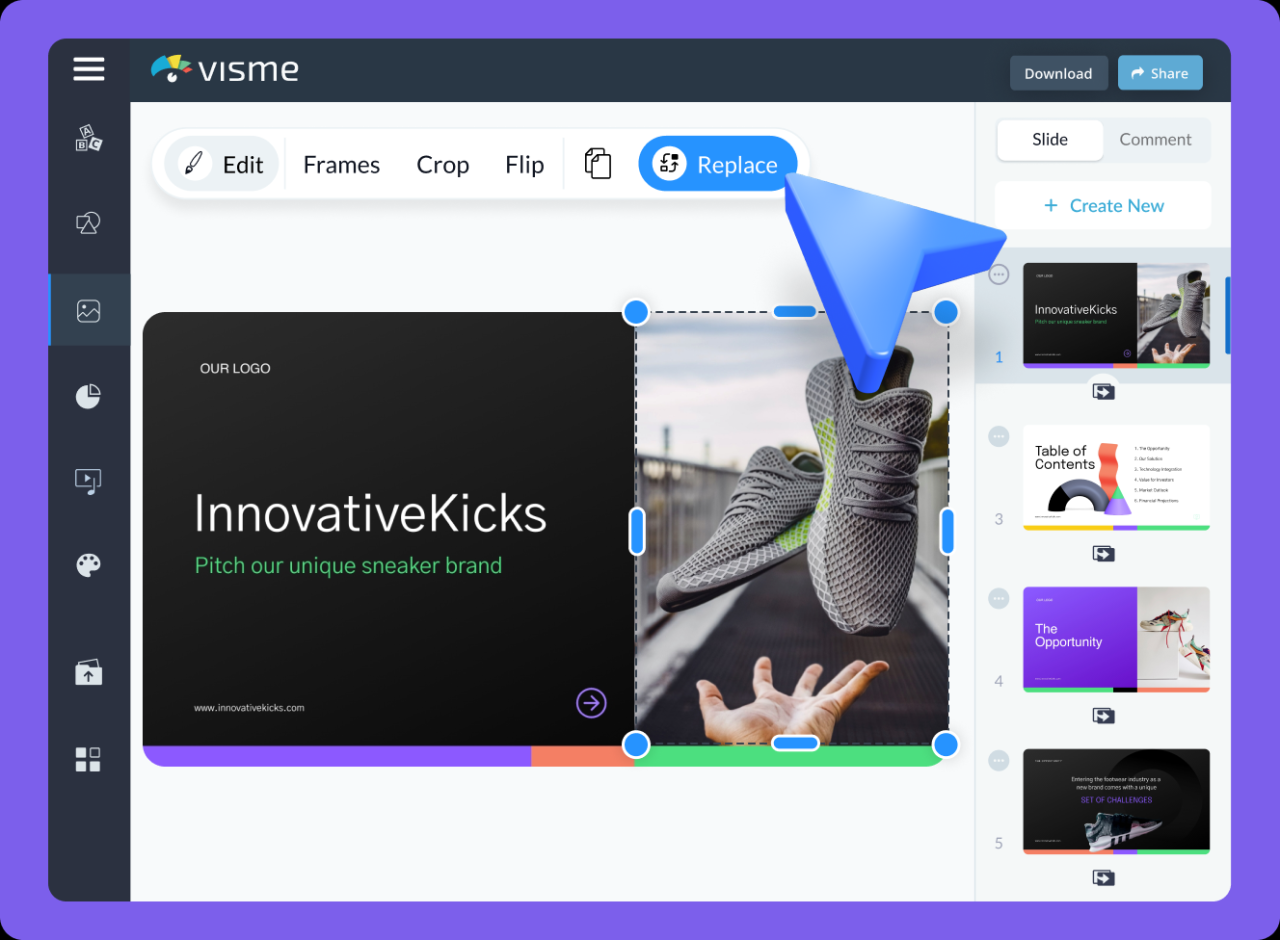
Artificial intelligence has revolutionized the way educators and content creators develop compelling pitch decks for educational purposes. By integrating AI into the design and content development process, users can significantly enhance the quality, engagement, and effectiveness of their presentations. This technological advancement not only saves time but also opens new avenues for creativity and precision in visual storytelling.
AI tools facilitate the creation of visually appealing and informative educational pitch decks by automating tasks that traditionally required extensive manual effort. They enable users to organize content logically, select appropriate visuals, and design slides that resonate with the target audience. Leveraging AI in this context ensures that educators can focus more on refining their message while the technology handles the design intricacies, resulting in professional and impactful presentations.
Key AI Features in Educational Pitch Deck Development
Understanding the core functionalities of AI that support educational pitch decks is essential for maximizing their benefits. These features streamline various aspects of content creation, organization, and visual enhancement, making the process more efficient and effective.
| AI Feature | Description | Benefits in Educational Pitch Decks |
|---|---|---|
| Content Generation | Utilizes natural language processing (NLP) to suggest, refine, or generate text based on input topics or Artikels. | Assists educators in drafting clear, concise, and engaging content swiftly, reducing time spent on writing and editing. |
| Design Automation | Automatically creates slide layouts, color schemes, and templates that align with educational themes and branding. | Ensures consistent visual style, enhances aesthetic appeal, and accelerates the deck development process. |
| Visual Enhancement | Incorporates AI-driven image selection, iconography, and data visualization tools to improve clarity and engagement. | Transforms complex data into easy-to-understand graphics and adds relevant visuals to captivate learners. |
| Content Organization | Uses AI algorithms to structure content logically, suggest transitions, and optimize slide flow. | Creates coherent narratives, ensuring the educational message is communicated effectively and smoothly. |
| Language Optimization | Provides grammar, tone, and style suggestions to tailor content for specific audiences. | Helps maintain professionalism and clarity, catering to diverse educational levels and audiences. |
“The integration of AI in educational pitch deck creation empowers educators to produce high-quality presentations efficiently, allowing more focus on content mastery and learner engagement.”
Planning the Content Structure for Educational Pitch Decks
Creating an effective educational pitch deck requires meticulous planning of its content structure to ensure clarity, engagement, and educational value. This stage involves defining the main topics, organizing s, and selecting the appropriate visual aids to facilitate understanding. Leveraging AI tools can streamline this process, making it more efficient and tailored to specific learning objectives.
By systematically mapping out the content, presenters can ensure their message is coherent and comprehensive. Incorporating AI-powered methods for structuring content allows for dynamic adjustments and optimization, fostering a more impactful educational experience for the audience.
Step-by-Step Guide to Main Topics and s
Establishing a logical sequence of topics is vital to guide learners through the material seamlessly. The following steps Artikel a structured approach:
- Identify Learning Objectives: Clearly define what learners should understand or achieve after the presentation. This provides focus and guides content selection.
- List Core Concepts and Key Messages: Determine the essential ideas and messages that support the learning objectives, ensuring relevance and clarity.
- Segment Content into Main Topics: Break down the content into major sections that address different aspects of the subject. These should align with the learning objectives and facilitate thematic flow.
- Develop s for Each Main Topic: Further divide main topics into specific subpoints or examples that elaborate on the core ideas, enhancing depth and clarity.
- Sequence Topics for Optimal Flow: Organize the topics and s logically, starting from foundational concepts progressing toward more complex ideas, to build understanding progressively.
- Integrate Visual Aids and Interactive Elements: Plan where infographics, charts, images, or videos will reinforce key messages and maintain engagement throughout the presentation.
AI-powered mind mapping tools, such as XMind, MindMeister, or Miro integrated with AI features, can assist in this step-by-step process by automatically suggesting logical connections between concepts, identifying gaps, and optimizing the order of topics based on learning pathways. These tools enable educators to visualize the overall structure, making adjustments swiftly and intuitively.
Mapping Learning Objectives and Key Messages with AI
Mapping learning objectives and key messages effectively sets the foundation for a coherent educational pitch deck. AI-driven mind mapping platforms facilitate this by allowing educators to input core ideas and receive automated suggestions for relationships, s, and supporting details. These tools can analyze vast datasets to recommend the most relevant content, ensuring alignment with pedagogical goals.
“AI-powered mind mapping enhances clarity by visually organizing complex information, enabling educators to identify logical flows and prioritize critical messages.”
For example, an AI tool might suggest grouping related concepts under broader categories or highlighting essential data points that require emphasis. This process ensures that each element supports the overall learning objectives, resulting in a focused and impactful presentation.
Organizing Content Flow with Responsive HTML Table Structures
An organized content flow enhances comprehension and retention. Utilizing responsive HTML tables allows educators to clearly delineate sections, subsections, and visual aids, creating a navigable and adaptable structure suitable for various presentation formats.
| Section | Subsection | Visual Aids |
|---|---|---|
| Introduction | Context and Objectives | Overview diagram, introductory image |
| Main Concept 1 | Definition and Explanation | Infographics, diagrams illustrating key points |
| Application | Case Studies, Examples | Charts, real-life scenario illustrations |
| Summary | Key Takeaways | Summary infographics, concluding visuals |
This structured approach ensures that each section logically follows the previous one, facilitating a cohesive learning journey. Responsive tables adapt to various devices and screen sizes, maintaining clarity and accessibility during live or virtual presentations. Effective organization of content flow supported by AI tools minimizes cognitive overload and enhances learner engagement and understanding.
Utilizing AI to Generate Content and Visuals
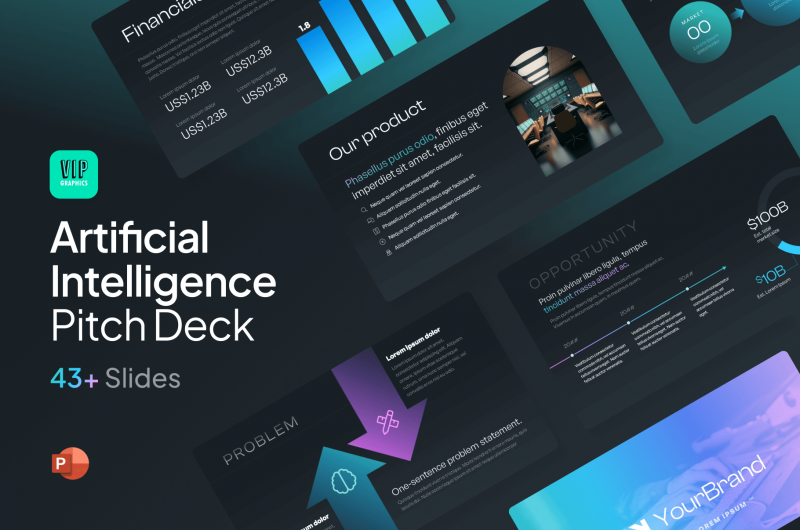
Creating compelling educational pitch decks requires clear, concise, and engaging content complemented by visually appealing elements. Leveraging AI tools effectively can streamline this process by automating content creation and designing visuals tailored to educational themes. This approach enhances both the efficiency and the quality of your presentations, ensuring they resonate well with your audience.AI-driven content and visual generation enable educators and presenters to craft slides that are both informative and visually stimulating.
By harnessing AI capabilities, users can focus more on refining their message and pedagogical approach, while the technology handles the detailed aspects of content generation and graphic design.
Generating Concise, Informative Text for Each Slide Based on Educational Themes
Utilizing AI to produce text content involves inputting specific s, themes, or learning objectives, which the AI then processes to generate relevant and succinct information. This method ensures that each slide’s text aligns with the overarching educational goal, maintaining clarity and engagement.Begin by providing the AI with a detailed prompt that describes the educational theme, target audience, and the key points to communicate.
The AI can then produce a variety of text options, from brief bullet points to comprehensive summaries, allowing the presenter to select or refine the best fit for their slide. For example, when creating a slide on climate change, input prompts like “generate a brief explanation of greenhouse gases and their impact on global warming” can lead to informative, easy-to-understand content suitable for a high school or college audience.Incorporate tools that allow iterative refinement, such as requesting the AI to simplify or expand certain sections.
This flexibility ensures the generated content aligns closely with the desired tone and depth of information.
Designing Custom Graphics, Icons, and Diagrams with AI Design Assistants
AI-powered design assistants provide an intuitive platform for creating custom visuals that complement educational content effectively. These tools utilize machine learning algorithms to generate graphics, icons, and diagrams based on user inputs, making visual design accessible even for those without advanced graphic skills.To leverage this technology, input specific descriptors related to the concept you wish to illustrate. For instance, if explaining the water cycle, provide s like “evaporation,” “condensation,” and “precipitation,” prompting the AI to generate a comprehensive diagram.
The AI can also suggest color schemes, styles, and iconography that match the overall tone of your presentation, ensuring visual consistency.Using AI design tools allows for rapid prototyping of visuals, enabling educators to experiment with different layouts and styles until they find the most effective representation. These custom graphics enhance understanding by providing clear, visually appealing representations of complex ideas.
Incorporating Data Visualizations and Infographics Generated by AI
Data visualizations and infographics are crucial for conveying complex information in an accessible format. AI tools can automatically generate these visual elements from raw data, simplifying the process of creating impactful charts and infographics.Provide the AI with structured data sets, such as statistical results, survey responses, or research findings. The AI can then produce various types of visualizations—bar graphs, pie charts, line charts, or scatter plots—optimized for clarity and engagement.
For example, a dataset showing global literacy rates over decades can be transformed into an interactive line chart that highlights trends and comparisons.Additionally, AI can craft infographics that combine visuals, icons, and concise text to summarize key points. These are particularly effective for presenting complex concepts such as economic models or scientific processes, enabling learners to grasp the essential information quickly.Incorporate AI-generated visualizations into your slides to clarify intricate concepts, enhance retention, and create visually dynamic presentations that effectively communicate your educational message.
Designing Effective Slide Layouts with AI
Creating visually compelling and easily comprehensible educational pitch decks necessitates thoughtful slide layout design. Leveraging AI tools simplifies this process by enabling the selection and customization of layouts that resonate with learners and effectively communicate complex information. Proper slide design enhances engagement, promotes clarity, and ensures that the educational content leaves a lasting impact.
Utilizing AI for designing slide layouts involves a systematic approach to choosing appropriate templates, customizing visual elements, and maintaining consistency across the presentation. These steps help in producing professional, accessible, and visually appealing slides that cater to diverse learning needs and preferences.
Selecting Optimal Slide Templates and Layouts for Educational Purposes
Choosing the right slide templates and layouts forms the foundation of an effective educational pitch deck. AI-powered platforms often provide a wide array of templates tailored for educational contexts, including layouts optimized for instructional content, data visualization, and storytelling. The selection process should prioritize clarity, simplicity, and relevance to the subject matter.
AI tools can analyze the content type and suggest appropriate templates by considering factors such as the complexity of information, the need for visual aids, and the target audience’s age group. For example, in a science educational pitch deck aimed at high school students, AI might recommend templates with visual emphasis on diagrams, charts, and minimal text to facilitate better understanding.
Customizing Color Schemes, Fonts, and Layout Elements for Clarity and Engagement
Effective customization enhances readability and visual appeal, making educational content more engaging. AI-driven design platforms allow users to automatically generate harmonious color schemes that align with the educational theme or institutional branding, ensuring high contrast and accessibility.
Fonts can be tailored for clarity, with AI recommending font sizes and styles based on the type of content and presentation environment. For instance, headings might be set in bold, large fonts for emphasis, while body text is in legible, sans-serif fonts optimized for screen viewing. AI tools can also suggest layout elements such as icons, spacing, and image placement to create a balanced and distraction-free slide.
Utilize AI to generate cohesive color palettes that enhance visual hierarchy and maintain consistency across all slides, thereby reinforcing the message and improving overall comprehension.
Moreover, AI can automate the adjustment of layout elements to suit various display sizes and formats, ensuring that content remains accessible and visually coherent across different devices and presentation settings.
Organizing Methods to Ensure Visual Consistency and Accessibility Across Slides
Maintaining visual consistency and accessibility is crucial for effective educational presentations. AI tools facilitate this by enabling the application of uniform styles, templates, and visual standards throughout the slide deck. Consistency reduces cognitive load and helps learners focus on the content rather than the design.
AI can automatically enforce style guides by applying predefined color schemes, font choices, and layout arrangements uniformly across slides. This reduces manual effort and minimizes errors or inconsistencies. Accessibility considerations include selecting color contrasts that meet standards such as WCAG, ensuring font sizes are readable, and incorporating alternative text descriptions for images.
Advanced AI systems can also analyze the entire presentation to detect and correct potential accessibility issues, such as insufficient color contrast or small font sizes, ensuring the deck complies with inclusive design principles. Additionally, AI can recommend the optimal organization of visual elements to guide the learner’s attention logically and effectively.
Enhancing Engagement with Interactive Elements
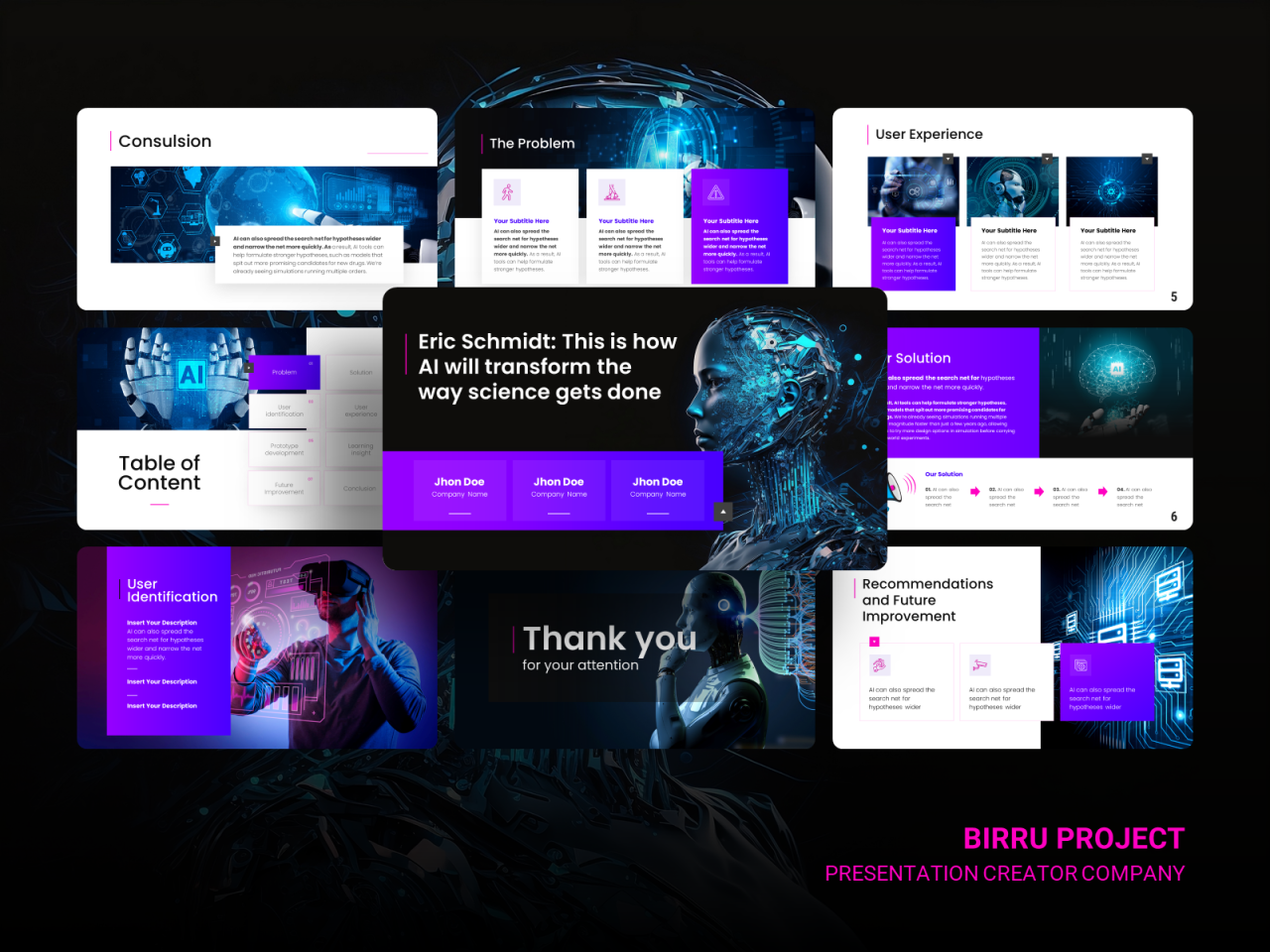
Creating an engaging educational pitch deck involves more than just presenting information; incorporating interactive elements transforms a static presentation into a dynamic learning experience. Leveraging AI to suggest and embed these components can significantly increase audience participation, improve retention, and foster a more immersive understanding of the material. Well-designed interactive features empower presenters to connect with their audience on a deeper level, making complex concepts more accessible and memorable.Interactive components such as quizzes, polls, or multimedia integrations serve as effective tools to reinforce learning and gauge audience comprehension in real-time.
AI can analyze the content of each slide and recommend suitable interactive elements aligned with the learning objectives. For example, after presenting a complex scientific process, AI might suggest inserting a quick quiz to assess understanding or a poll to gather opinions on a debated topic. Additionally, multimedia—such as videos, animations, or audio clips—can illustrate concepts more vividly, catering to diverse learning styles and enhancing engagement.To incorporate these interactive elements seamlessly into pitch decks, follow these steps:
- Identify key points or sections where audience interaction would be most beneficial, such as complex explanations, decision-making moments, or summary sections.
- Use AI tools to generate relevant content—quizzes with multiple-choice questions, engaging polls, or multimedia suggestions—that complement the topic and support learning goals.
- Embed multimedia files directly into the slide or link to external sources. For quizzes and polls, utilize compatible platforms like Google Forms, Mentimeter, or Typeform, generating embed codes or direct links to be inserted into the presentation.
- Design slide layouts to accommodate these interactive elements without cluttering the visual flow. Clearly indicate to the audience that interaction is expected, possibly through visual cues or prompts.
- During the presentation, facilitate interaction by guiding the audience through each activity, ensuring a smooth experience that encourages participation and provides immediate feedback.
AI can also generate example explanations that encourage active participation. For instance, after explaining a data trend, AI might suggest a poll such as:
“Based on this data, do you agree with the proposed hypothesis? Vote now.”
or a quiz prompt like:
“Select the correct next step based on this scenario.”
These prompts stimulate critical thinking and reinforce understanding, making the session more interactive and memorable for the audience.Incorporating AI-driven interactive elements into educational pitch decks not only boosts engagement but also enhances the overall learning experience by fostering active participation, immediate feedback, and varied content delivery methods tailored to the audience’s needs.
Reviewing and Refining the Pitch Deck with AI Assistance
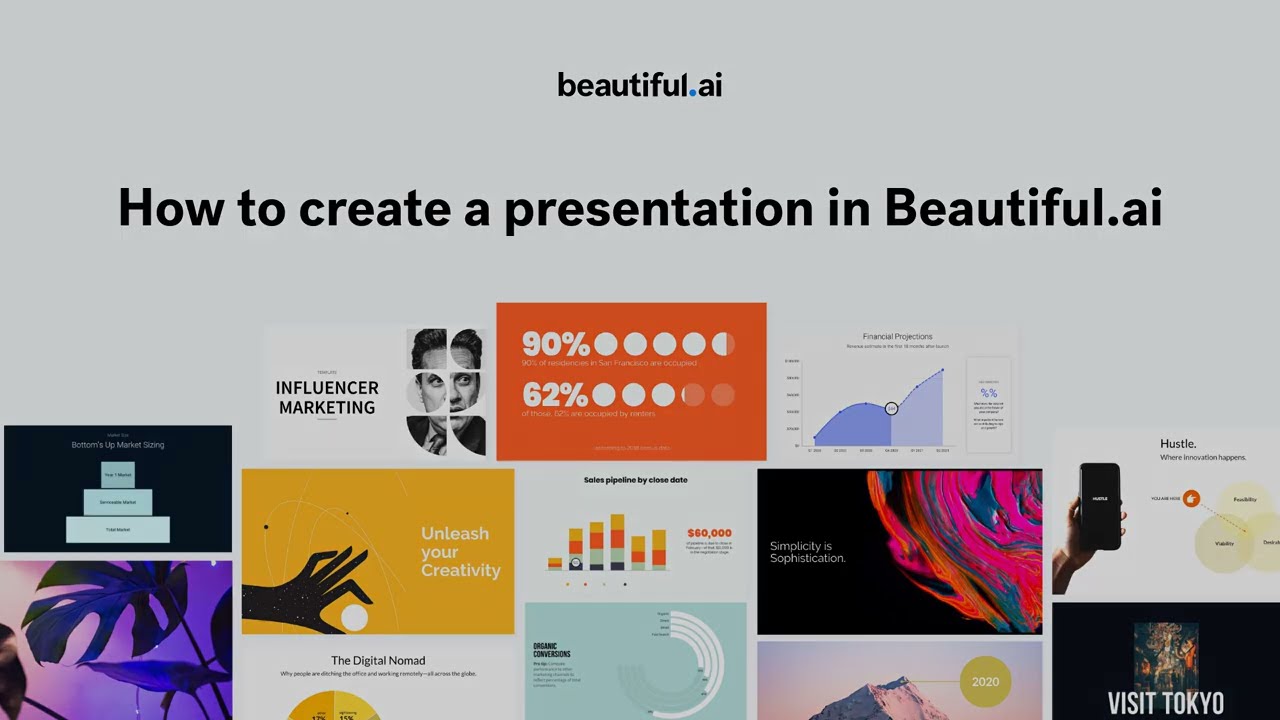
Creating an impactful educational pitch deck requires meticulous review and refinement to ensure clarity, accuracy, and engagement. Leveraging AI tools at this stage significantly enhances the effectiveness of the presentation by providing detailed feedback and facilitating iterative improvements. AI-powered review processes help presenters identify areas for enhancement, ensuring the final deck resonates well with the target audience and achieves its educational objectives.AI assistance in reviewing and refining pitch decks involves multiple aspects, including proofreading for grammatical accuracy, coherence checks to ensure logical flow, and verifying content correctness.
These tools can analyze the entire presentation, pinpoint inconsistencies, suggest improvements, and ensure the narrative remains compelling and accessible. Moreover, AI tools can simulate the presentation flow, allowing creators to test timing, transitions, and audience engagement before finalizing the deck. This iterative process ensures that the presentation is polished, well-structured, and fully optimized for educational impact.
Utilizing AI for Proofreading, Coherence Checks, and Content Accuracy
Ensuring the linguistic precision and factual correctness of a pitch deck is crucial for establishing credibility and clarity. AI-based proofreading tools analyze the content for grammatical errors, spelling mistakes, and stylistic inconsistencies, often providing suggestions that align with formal and friendly communication styles. Advanced AI systems also check for coherence by analyzing sentence structures and logical connections, ensuring that each slide transitions smoothly and the overall narrative is seamless.To verify content accuracy, AI tools cross-reference the data and claims within the deck against reputable sources or databases.
For example, when presenting statistical information or educational theories, AI can flag potential discrepancies or outdated data, prompting the creator to update the content. Integrating these AI-driven validation processes ensures that the pitch deck maintains high standards of professionalism and factual integrity, bolstering confidence among stakeholders and educators alike.
Testing Presentation Flow and Timing Using AI Simulation
A well-timed presentation enhances engagement and ensures that key messages are effectively delivered within allocated timeframes. AI-based simulation tools allow creators to rehearse their pitch decks in a virtual environment, mimicking real presentation conditions. By inputting the desired duration for each slide or section, AI systems can project the overall timing and identify sections that may need condensing or elaboration.These simulations often include features such as voice recognition and speech pacing analysis, enabling presenters to practice delivery style, tone, and emphasis.
For example, an educator might find that a complex slide on learning theories takes longer to explain than anticipated; AI feedback can suggest simplifying explanations or reallocating time to other sections. This process helps optimize the pacing, ensuring the presentation remains engaging and informative without running over the scheduled time.
Organizing Strategies for Iterative Improvements Based on AI Feedback
The refinement phase benefits greatly from an organized approach that systematically incorporates AI-generated insights. Establishing a feedback loop involves reviewing AI suggestions, prioritizing improvements based on educational impact, and implementing changes iteratively. For each round of review, creators can focus on specific aspects such as content accuracy, visual clarity, or engagement strategies, gradually enhancing the deck’s overall quality.Utilizing version control and documentation during this process enables tracking changes and understanding the evolution of the presentation.
For example, after initial proofreading, a creator might revise language for clarity, then test the flow with AI simulation, and finally adjust visuals based on AI coherence analysis. This cycle ensures continuous enhancement, ultimately leading to a polished, impactful educational pitch deck that effectively communicates its core message and facilitates learning outcomes.
Exporting and Sharing the Final Educational Pitch Deck
Creating a polished and impactful educational pitch deck is only part of the process; effectively exporting and sharing it ensures your message reaches the intended audience with clarity and professionalism. Proper handling of the final presentation files and online sharing methods helps maintain content integrity and accessibility, thereby maximizing engagement and comprehension.Exporting and sharing involve selecting appropriate formats, embedding interactive elements for online platforms, and adhering to best practices to safeguard the deck’s content during distribution.
This process ensures your educational message is preserved and accessible across diverse presentation and digital platforms.
Exporting Pitch Decks into Various Formats for Different Platforms
When finalizing a pitch deck, it is essential to provide multiple export options tailored to the presentation context. Different platforms and audiences may require specific formats to ensure compatibility, ease of use, and high-quality display.It is advisable to export your educational pitch deck into formats such as PDF, PowerPoint (PPTX), and image files like PNG or JPEG. PDFs are universally accessible and preserve formatting, making them suitable for sharing via email or online downloads.
PowerPoint files enable easy editing or customization for future presentations, especially in professional or educational settings. High-resolution image formats are useful for embedding slides into web pages or multimedia content where static visuals are needed.
| Format | Use Cases | Advantages |
|---|---|---|
| Distribution, printing, online sharing | Maintains layout integrity, widely compatible, non-editable | |
| PPTX | Editable presentations, collaborative editing | Customizable, supports animations and transitions |
| PNG/JPEG | Embedding in websites, visual sharing | High-resolution static visuals, easy to embed |
Choosing the appropriate export format ensures your educational pitch remains visually appealing and functionally accessible across various delivery platforms.
Embedding Responsive HTML Tables or Interactive Elements for Online Sharing
To enhance online presentations, integrating responsive HTML tables and interactive components increases engagement and interactivity. Embedding such features allows viewers to explore data dynamically, access additional information, and navigate content seamlessly on different devices.Responsive HTML tables automatically adjust their layout based on screen size, ensuring readability on desktops, tablets, and smartphones. Incorporating interactive elements like clickable icons, collapsible sections, or embedded quizzes can make the pitch deck more engaging and informative.Some effective methods include:
- Using HTML5, CSS, and JavaScript to embed dynamic tables that adapt to screen sizes
- Embedding interactive charts that update based on user input, using tools like Chart.js or D3.js
- Integrating HTML widgets or iframes for external interactive content, such as quizzes or videos
These elements can be hosted within a responsive webpage or embedded directly into online presentation platforms that support HTML content. When embedding, ensure that interactive components are optimized for performance and responsiveness to prevent loading issues or user frustration.
Embedding interactive elements transforms static pitch decks into engaging online experiences that foster active participation and deeper understanding.
Safeguarding Content Integrity and Accessibility in Digital Distribution
Distributing educational pitch decks digitally necessitates measures to protect content integrity and ensure accessibility for all users. Maintaining the original quality and preventing unauthorized alterations are critical to preserving the credibility and professionalism of your presentation.To safeguard content:
- Apply password protection or encryption for files shared via email or cloud services
- Use digital rights management (DRM) tools or watermarking to discourage unauthorized copying
- Opt for read-only or restricted editing permissions when sharing via collaborative platforms
Ensuring accessibility involves designing pitch decks that accommodate diverse audiences, including users with visual, auditory, or motor impairments. Best practices include:
- Using high-contrast color schemes and legible fonts
- Providing alt text descriptions for images and visual elements
- Ensuring that interactive elements are keyboard-navigable and compatible with screen readers
- Offering downloadable transcripts or transcripts for multimedia content
By implementing these strategies, educators and presenters can distribute their pitch decks confidently, knowing that their content remains intact, secure, and accessible to a broad spectrum of viewers.
Closing Notes
By integrating AI into the creation of educational pitch decks, you unlock new levels of efficiency and creativity, transforming the way educational content is delivered. From initial planning to final sharing, AI-driven tools facilitate the development of engaging, accessible, and impactful presentations that captivate and educate effectively. Embrace these innovations to elevate your educational endeavors and leave a lasting impression on your audience.