Discover how to create marketing pitch decks with AI to streamline your presentation development process. Leveraging artificial intelligence tools can enhance creativity, improve efficiency, and produce compelling visual and textual content tailored to your target audience. This approach empowers both startups and established businesses to craft persuasive narratives that stand out and effectively communicate their value propositions.
By understanding the integration of AI in key components such as content generation, visual design, data visualization, and storytelling structure, professionals can elevate their pitch decks to new levels of clarity and impact. Combining AI capabilities with strategic insights ensures that each presentation is both engaging and aligned with branding goals, resulting in better engagement and higher success rates.
Understanding the Role of AI in Creating Marketing Pitch Decks
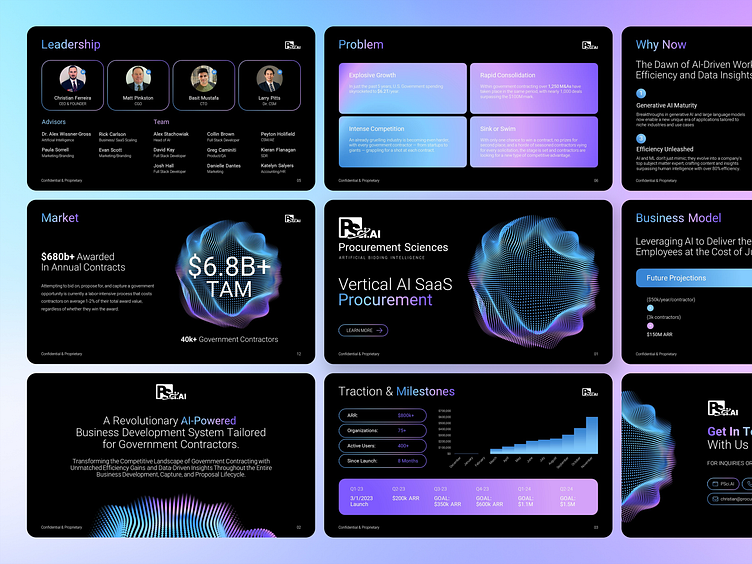
Artificial Intelligence (AI) has become an indispensable asset in designing compelling marketing pitch decks, revolutionizing how businesses communicate their value propositions. By integrating AI, companies can significantly reduce the time and resources required to develop impactful presentations while enhancing creativity and personalization. This synergy between human ingenuity and machine intelligence empowers startups and established firms alike to craft presentations that resonate more effectively with their target audiences.
AI-driven tools facilitate a streamlined creation process, allowing users to focus on strategic messaging rather than manual design tasks. These tools harness advanced algorithms to generate content, visuals, and data visualizations that are both visually appealing and data-rich. As a result, organizations can produce professional-quality pitch decks with minimal effort, ensuring their message stands out in competitive markets.
AI Tools for Designing Presentation Content, Visuals, and Data Visualization
The landscape of AI tools available for pitch deck creation is diverse, catering to various aspects of presentation development—from content drafting to visual design and complex data analysis. Understanding these tools enables users to leverage AI effectively and enhance the overall quality of their decks.
- Content Generation AI: Platforms like GPT-based models assist in drafting clear, persuasive narratives, executive summaries, and key messages. These tools analyze input data to produce coherent content that aligns with the business’s goals and tone.
- Visual Design AI: Tools such as Canva’s AI-powered design suggestions or Beautiful.ai automate the process of creating aesthetically pleasing slides. They suggest layouts, color schemes, and font combinations based on best design practices, reducing the need for manual adjustments.
- Data Visualization AI: Applications like Tableau with AI integrations or Datawrapper enable users to transform complex datasets into engaging visuals. AI algorithms recommend the most appropriate chart types, highlight key insights, and even automate data cleaning processes.
Benefits of Integrating AI into Pitch Deck Creation for Businesses
Incorporating AI into the development of marketing pitch decks offers substantial advantages for both startups aiming to establish their presence and established companies seeking growth opportunities.
- Time and Cost Efficiency: AI automation accelerates the content and design process, reducing the reliance on extensive manual effort and specialized design teams, which is particularly advantageous for startups with limited resources.
- Enhanced Creativity and Innovation: AI tools provide innovative design suggestions and content ideas, enabling businesses to craft more engaging and unique presentations that capture audience attention.
- Data-Driven Insights: The ability to generate sophisticated data visualizations helps organizations communicate complex analytics clearly, supporting more persuasive storytelling backed by real data.
- Personalization and Customization: AI enables the tailoring of pitch decks to specific audiences or investor profiles, increasing the relevance and impact of the presentation.
- Consistency and Professionalism: AI ensures visual and content consistency throughout the deck, maintaining a professional appearance that bolsters credibility.
As AI technology continues to evolve, its integration into pitch deck creation processes will become more refined and accessible, empowering businesses to deliver compelling narratives with ease and precision.
Key Components of Effective Marketing Pitch Decks Using AI
Developing a compelling marketing pitch deck requires a structured approach that clearly communicates your business proposition, market potential, and financial outlook. Leveraging AI tools streamlines this process by generating high-quality content tailored to each essential section, ensuring consistency, clarity, and persuasiveness throughout the presentation. Understanding how to systematically incorporate AI into these components enhances the overall effectiveness of your pitch.
In this segment, we explore the fundamental sections of a marketing pitch deck, provide a step-by-step methodology for AI-driven content creation, and present comparative options to optimize each component. This comprehensive approach ensures your pitch deck is informative, engaging, and aligned with investor expectations or stakeholder interests.
Essential Sections of a Marketing Pitch Deck
While the structure of a pitch deck can vary depending on the audience and industry, certain core components are universally recognized as vital for conveying your business’s value proposition. These include:
- Problem Statement
- Solution Overview
- Market Opportunity
- Product or Service Description
- Business Model
- Traction and Validation
- Competitive Landscape
- Marketing and Sales Strategy
- Financial Projections
- Team Introduction
- Funding Requirements and Use of Funds
Step-by-Step Procedure to Generate Content for Each Section Using AI
The following procedure guides the systematic generation of high-quality, tailored content for each pitch deck component utilizing AI capabilities:
- Define Objectives and Key Messages: Clearly specify the purpose of each section and the core messages you want to communicate. For instance, the problem statement should highlight the pain point with compelling data.
- Input Structured Prompts into AI Tools: Use precise prompts that include relevant details, target audience, and desired tone. For example, a prompt for the market opportunity could be: “Describe the potential market size for eco-friendly packaging solutions in North America, emphasizing growth trends and key drivers.”
- Review and Refine AI-Generated Content: Evaluate outputs for accuracy, relevance, and tone. Edit as necessary to align with your brand voice and strategic messaging.
- Incorporate Data and Visuals: Supplement AI-generated narratives with real data, charts, and visuals to bolster credibility and engagement.
- Iterate for Optimization: Use AI feedback mechanisms or multiple prompt variations to refine content, ensuring clarity and persuasiveness across all sections.
Organizing Content Recommendations with HTML Tables
To facilitate comparison and selection of AI-generated options, organizing content recommendations into HTML tables allows for clear visualization of variations in tone, detail, and style. Below is an example structure that can be adapted for each section of the pitch deck:
| Section | AI Option 1 | AI Option 2 | AI Option 3 |
|---|---|---|---|
| Problem Statement |
|
|
|
| Market Opportunity |
|
|
|
Incorporating these AI-generated options into your pitch deck allows for a strategic selection that best aligns with your messaging goals, presentation style, and audience expectations. Regular iteration and validation ensure the final content is both compelling and credible.
Generating Engaging Visuals and Data Representations with AI
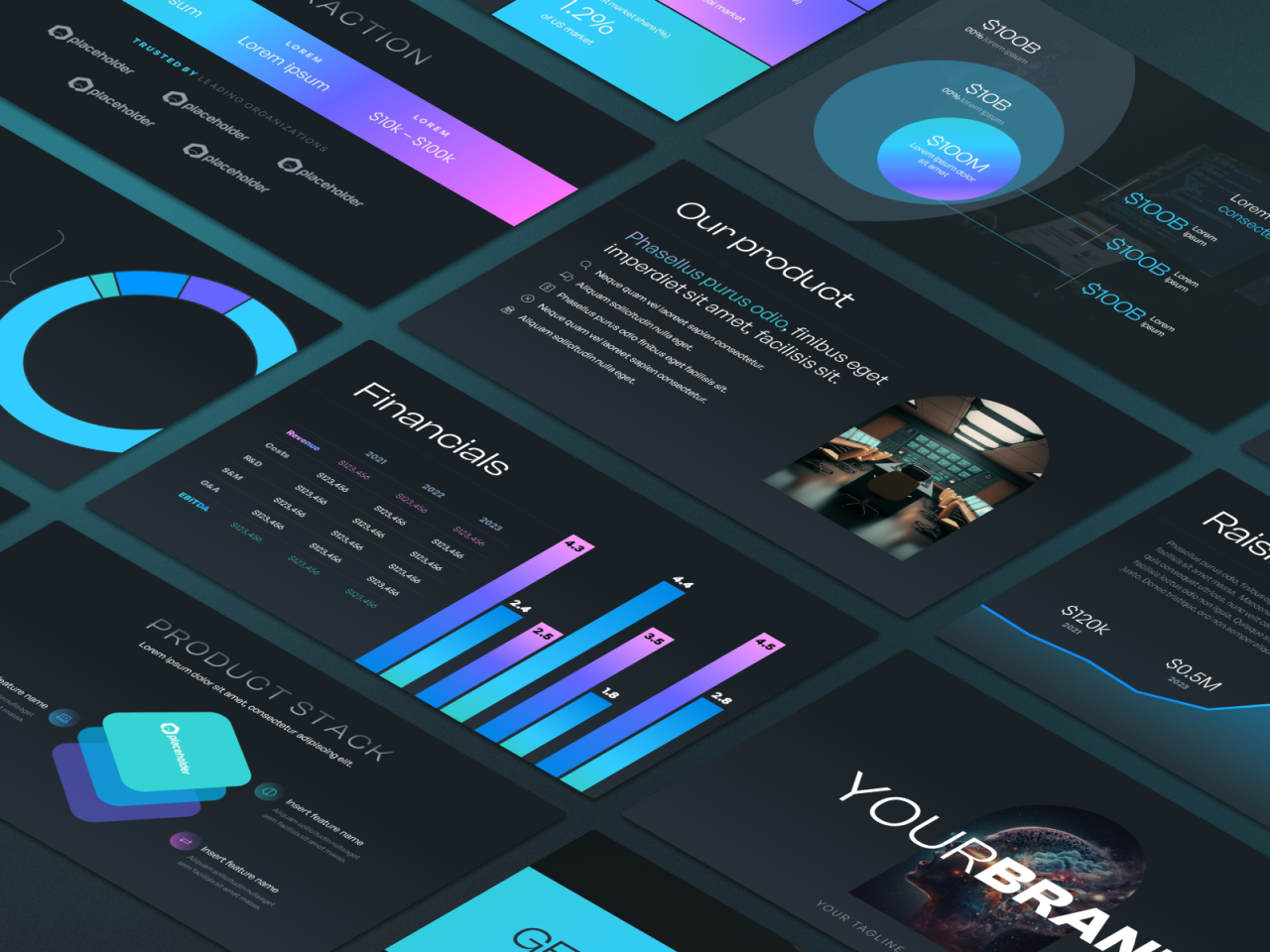
Creating compelling visuals and data representations is a vital component of an effective marketing pitch deck. When harnessed correctly, AI tools can significantly enhance the visual storytelling aspect, making complex information more accessible and engaging for potential investors or clients. Visuals should not only attract attention but also support and reinforce the core messages conveyed throughout the presentation.AI-powered design and visualization tools enable marketers to develop high-quality images, infographics, and data visualizations rapidly.
These tools use algorithms to analyze data and generate visuals that are both aesthetically appealing and aligned with the narrative of the pitch. For example, AI image generators can produce custom illustrations that reflect the brand identity or specific product features, while AI-driven infographic creators can assemble data into visually compelling formats that highlight key insights. Such visuals help to clarify complex ideas, making them easier to understand and remember.Utilizing AI to create dynamic charts and data visualizations within your pitch deck allows for real-time updates and more interactive presentations.
These tools can automatically design bar charts, pie graphs, scatter plots, or heat maps based on raw data inputs, ensuring that the visuals are accurate and professionally styled. AI can also suggest the most effective visual formats based on the type of data and the intended message, thereby enhancing storytelling.By ensuring that visuals are both relevant and visually cohesive, marketers can leverage AI to craft a seamless narrative flow.
Consistent color schemes, icons, and visual motifs generated by AI tools help to reinforce branding and maintain audience engagement. Moreover, integrating interactive data visualizations can encourage audience participation and facilitate a deeper understanding of the presented data, ultimately supporting the pitch’s persuasive power.
Structuring the Narrative and Flow of the Pitch Deck with AI
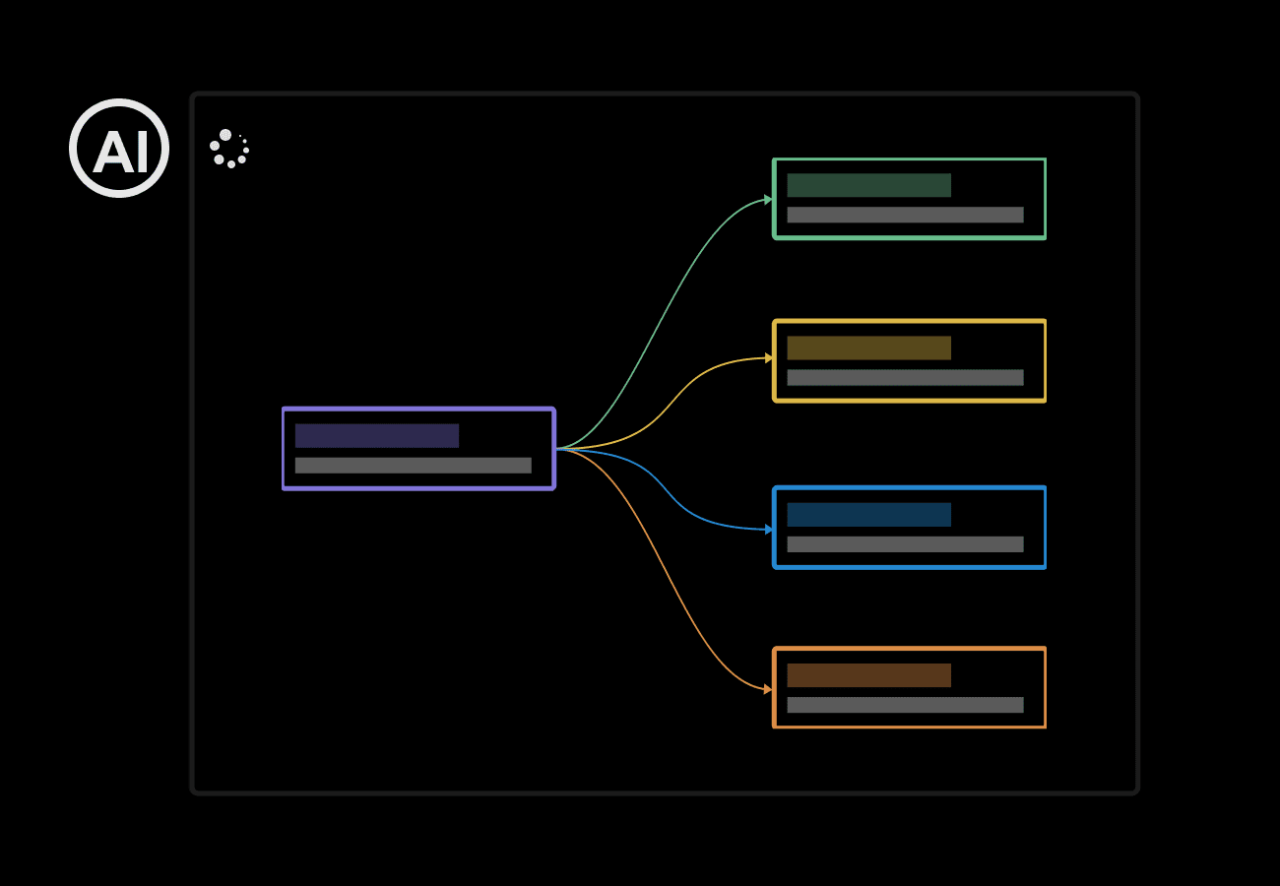
Creating a compelling marketing pitch deck requires more than just assembling visually appealing slides; it involves thoughtfully organizing the content to build a persuasive and cohesive narrative. Artificial Intelligence plays a vital role in assisting creators to design a logical flow that guides investors or stakeholders seamlessly through the story, enhancing clarity and engagement. By leveraging AI tools, marketers can optimize the sequence of sections, craft smooth transitions, and ensure each part of the presentation connects effectively to reinforce the overall message.A well-structured narrative ensures that each slide naturally leads to the next, maintaining the audience’s interest and reinforcing key points.
AI can analyze content themes, identify logical progression, and suggest the optimal sequence based on data-driven insights. Additionally, AI can generate transition phrases or connectives that help the narrative flow smoothly, reducing abrupt shifts and enhancing coherence. This process involves aligning sections like the problem statement, solution overview, market opportunity, competitive advantage, and financial projections in a manner that builds a compelling case systematically.Below is an example of how HTML table layouts can be used to visualize and organize the sequence of slides and their narrative flow in a pitch deck:
| Slide Number | Slide Title | Primary Content Focus | Narrative Purpose |
|---|---|---|---|
| 1 | Introduction | Overview of the company and value proposition | Set the stage and capture interest immediately |
| 2 | Problem Statement | Highlight the market gap or pain points | Establish relevance and urgency |
| 3 | Proposed Solution | Present the product or service addressing the problem | Showcase innovation and differentiation |
| 4 | Market Opportunity | Data on market size, growth, and target segments | Justify the business potential |
| 5 | Business Model | How the company plans to generate revenue | Build confidence in sustainability |
| 6 | Competitive Advantage | Unique strengths and barriers to entry | Differentiate from competitors |
| 7 | Financial Projections | Projected revenue, expenses, and profitability | Convince stakeholders of growth potential |
| 8 | Closing & Call to Action | Summary and next steps | End with a compelling closing and clear ask |
AI also facilitates the creation of transition statements that connect these sections smoothly. For example, transitioning from the problem to the solution might involve a phrase like,
“Building on the market challenge we’ve identified, our innovative solution directly addresses the core issues, providing a clear path to value creation.”
AI algorithms can generate such phrases based on the context, ensuring that each section flows logically and persuasively.By meticulously organizing content and employing AI-driven suggestions for transitions and sequence planning, marketers can craft a pitch deck that narrates a compelling story, maintains audience engagement, and maximizes the impact of their presentation.
Customizing and Personalizing Pitch Decks with AI Insights
Creating a compelling marketing pitch deck involves more than just presenting data; it requires tailoring content to resonate with the specific audience. Leveraging AI-driven insights enables marketers to personalize their decks effectively, ensuring relevance and engagement. This process involves analyzing target audience characteristics, incorporating up-to-date market data, and aligning the tone and style with branding objectives, ultimately increasing the pitch’s impact and resonance.Customizing pitch decks using AI insights centers on understanding nuanced audience preferences, behaviors, and expectations.
AI tools can analyze vast amounts of data, including demographic details, purchasing habits, online interactions, and social media activity, providing a comprehensive profile of potential investors or clients. These insights allow marketers to craft messages that speak directly to the audience’s pain points, aspirations, or industry-specific concerns, making the pitch more persuasive and relevant.Integrating AI-driven market data and customer insights into the pitch enhances credibility and demonstrates a thorough understanding of the market landscape.
For example, AI can identify emerging trends, competitive positioning, and market gaps that are most pertinent to the target audience. Incorporating real-time data, such as recent sales figures, customer feedback, or industry forecasts, can be presented through dynamic visuals and data representations, strengthening the credibility of the pitch.Adjusting tone, style, and emphasis is vital to align the pitch deck with the company’s branding goals.
AI tools can analyze brand voice and messaging consistency, suggesting modifications to language style—whether formal, conversational, or innovative—that resonate with the target audience. Personalization extends to emphasizing core values or unique selling propositions that align with the audience’s preferences, ensuring that the pitch not only informs but also emotionally connects.
Audience Profile Analysis and Targeted Content Adaptation
AI-driven audience analysis utilizes data clustering and machine learning algorithms to segment potential investors or clients based on shared characteristics. These segments inform tailored messaging strategies, allowing marketers to customize content for each group. For instance, a tech startup might emphasize innovation and scalability when pitching to venture capitalists interested in disruptive technology, whereas a consumer-focused brand might highlight benefits and user experience for retail clients.
Incorporating Market Data and Customer Insights
AI facilitates the integration of relevant and recent market data into the pitch deck, providing a factual foundation for the narrative. Techniques such as sentiment analysis and predictive analytics help identify customer preferences and potential market shifts. Including these insights in the form of graphs, heatmaps, or infographics ensures clarity and engagement. For instance, presenting a heatmap of regional demand for a product can visually demonstrate market opportunity to investors.
Adjusting Tone, Style, and Emphasis to Brand Goals
AI tools can analyze existing branding materials to ensure consistency in tone and style across the pitch deck. They can also suggest modifications to language and emphasis based on the target audience’s preferences, whether emphasizing innovation, reliability, or cost-effectiveness. For example, a luxury brand may opt for a sophisticated tone with elegant visuals, while a startup targeting younger demographics might adopt a more energetic and informal style.
These adjustments reinforce brand identity and enhance message receptivity.
Best Practices and Tips for Using AI to Enhance Pitch Deck Quality
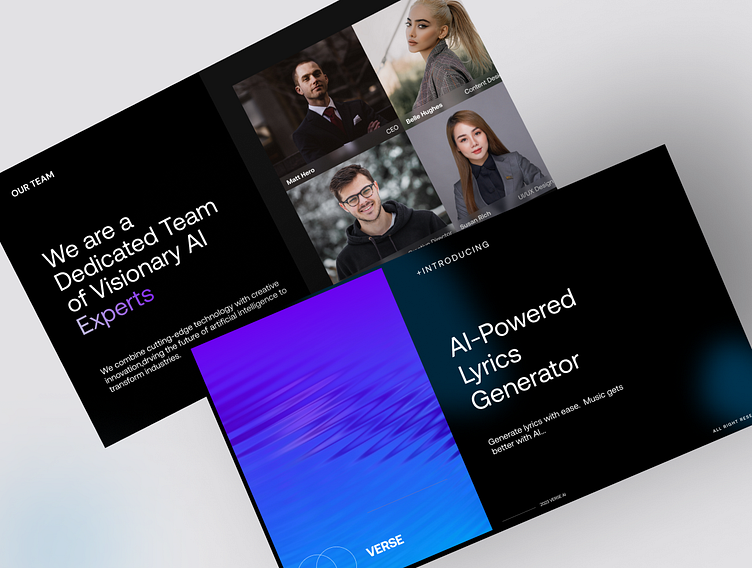
Creating compelling and impactful pitch decks is essential for capturing investor interest and effectively communicating your value proposition. Integrating AI into this process offers numerous advantages, but to maximize its benefits, it is crucial to adopt best practices that ensure the quality and relevance of the generated content. These tips focus on verifying AI outputs, leveraging human expertise, and comparing outcomes to understand the true value of AI-assisted creation.Ensuring the accuracy and relevance of AI-generated content is vital.
While AI tools can rapidly produce insightful data, visuals, and narratives, they are not infallible. Continuous verification helps prevent the dissemination of outdated, incorrect, or misleading information. Combining AI suggestions with human judgment ensures the final pitch deck reflects strategic intent, nuanced understanding, and contextual appropriateness.Below is a structured comparison highlighting the differences between manual and AI-assisted pitch deck creation outcomes, emphasizing where AI can add value and where human oversight remains indispensable.
Verifying AI-Generated Content for Accuracy and Relevance
Artificial Intelligence can process vast amounts of data swiftly, but its outputs require rigorous validation.
- Cross-reference data points with authoritative sources, such as industry reports, official statistics, and recent publications, to confirm their accuracy.
- Evaluate the relevance of AI-generated insights based on your target audience and specific market context. AI may suggest popular themes that are less applicable to your niche.
- Review the consistency of AI-produced narratives with your company’s core messaging and strategic goals. Discrepancies should prompt further refinement.
- Utilize domain experts or stakeholders to review AI content, ensuring that technical details and strategic insights align with industry standards.
“Verification ensures that AI acts as a reliable assistant rather than a source of inaccuracies, safeguarding your pitch deck’s credibility.”
Strategies for Combining Human Expertise with AI Suggestions
Maximizing the efficacy of AI involves blending automated suggestions with human insights.
- Use AI to generate initial drafts of content, visuals, and data visualizations, then refine these outputs with your industry knowledge and strategic perspective.
- Leverage AI recommendations as a starting point for brainstorming, encouraging creative adaptations that resonate with your unique value proposition.
- Develop a collaborative workflow where AI handles data-heavy or repetitive tasks, freeing your team to focus on storytelling, design, and persuasive language.
- Implement feedback loops, where human reviewers provide input that trains and fine-tunes AI models for better future outputs.
Effective integration of AI and human expertise ensures that pitch decks are both data-driven and emotionally compelling, increasing their persuasive power.
Comparison of Manual vs. AI-Assisted Pitch Deck Outcomes
| Aspect | Manual Creation | AI-Assisted Creation |
|---|---|---|
| Content Accuracy | High, but dependent on researcher’s knowledge; risks of outdated data | Fast generation, but requires verification to prevent errors |
| Design Consistency | Relies on designer’s skill; may vary in style and quality | Can produce uniform visuals quickly; needs human oversight for brand alignment |
| Speed and Efficiency | Slower; iterative process requiring multiple revisions | Rapid content and visual creation, reducing turnaround time |
| Creativity and Personalization | Highly personalized; tailored to specific audience nuances | Provides customizable templates and suggestions; may lack nuanced understanding |
Final Conclusion
In conclusion, mastering how to create marketing pitch decks with AI offers a powerful advantage in today’s competitive landscape. By utilizing AI tools for content creation, visual enhancements, and personalized messaging, businesses can produce dynamic and persuasive presentations with ease. Embracing these innovative techniques not only saves time but also elevates the overall quality and effectiveness of your pitch, setting the stage for successful stakeholder engagement and growth.