How to enhance presentations with AI offers a transformative approach to creating more dynamic, personalized, and visually appealing content. Leveraging artificial intelligence enables presenters to craft compelling narratives, generate engaging visuals, and tailor their messages to suit specific audiences effectively. This innovative integration not only streamlines the preparation process but also elevates the overall delivery, making presentations more impactful and memorable.
By exploring various AI-driven techniques such as automated content creation, visual enhancement, audience engagement strategies, and delivery optimization, individuals can significantly improve the quality and effectiveness of their presentations. As technology continues to evolve, understanding how to utilize AI tools becomes essential for staying ahead in delivering compelling and professional presentations across different contexts.
Overview of AI in Presentation Enhancement
Artificial intelligence (AI) has become a transformative force in the realm of presentation creation and delivery. Its integration into this domain is revolutionizing how speakers design visuals, craft content, and engage audiences more effectively. As AI technologies continue to advance, their role in streamlining workflows and elevating presentation quality is increasingly evident, providing presenters with powerful tools to communicate more compellingly and efficiently.The evolution of AI tools tailored for presentations reflects a significant shift from manual, time-consuming processes to automated, intelligent solutions.
Early tools primarily focused on basic design assistance, such as color schemes and layout suggestions. Today, sophisticated AI applications can generate entire slide decks based on a brief Artikel, analyze audience engagement in real time, and suggest improvements during live delivery. These developments are driven by breakthroughs in natural language processing, computer vision, and machine learning, making AI indispensable for modern presentation workflows.The key benefits of integrating AI into presentation workflows are multifaceted.
Primarily, AI enhances the efficiency of content creation by automating routine tasks, allowing presenters to focus on core messaging. It also improves visual appeal through intelligent design adjustments, ensuring slides are both attractive and effective. Additionally, AI-driven analytics provide insights into audience reactions, enabling presenters to adapt their delivery dynamically. Ultimately, AI fosters a more engaging, personalized, and impactful presentation experience, which can lead to higher audience retention and better communication outcomes.
AI-Driven Content Generation for Presentations
Leveraging artificial intelligence for content creation has transformed the way professionals develop presentations. AI tools can assist in drafting compelling scripts, structuring content, and generating slide material efficiently. This approach not only accelerates the presentation development process but also enhances the overall quality and engagement potential of the final output. By integrating AI into your workflow, presenters can ensure their content is accurate, persuasive, and tailored to their audience’s needs.
AI-driven content generation involves utilizing advanced algorithms and language models to automate the creation of presentation components. These methods streamline the development process, reduce manual effort, and often lead to more innovative and creative outputs. Through careful selection and application of AI tools, presenters can craft professional and impactful presentations that effectively communicate their message and captivate their audience.
Using AI to Draft Presentations and Scripts
AI applications such as natural language processing models can assist in scripting presentations by analyzing topic data, gathering relevant information, and generating coherent narratives. These tools often accept prompts or Artikels from users, then produce detailed scripts that can serve as a foundation for delivery. For instance, a speaker preparing a pitch on renewable energy can input key points, and the AI will generate a polished speech draft that emphasizes key facts and persuasive language.
To utilize AI effectively for drafting, consider the following procedures:
- Identify the core message and objectives of your presentation.
- Input key points, data, and desired tone into an AI writing tool, such as GPT-based models.
- Review and refine the generated script, ensuring it aligns with your style and audience expectations.
- Incorporate personal anecdotes or specific details to enhance authenticity.
- Practice delivery using the AI-generated script, making adjustments as necessary for clarity and engagement.
Generating Engaging Slide Content with AI Assistance
AI can significantly improve the development of slide content by suggesting concise text, optimal layouts, and visual elements. It helps in creating slides that are visually appealing, easy to understand, and aligned with the overall message. AI-powered tools analyze your script or Artikel to propose headlines, bullet points, and supporting visuals that enhance comprehension and retention.
Steps to generate compelling slide content using AI include:
- Input your presentation Artikel or script into an AI slide creation platform.
- Allow the AI to suggest slide titles, bullet points, and summaries based on input content.
- Review AI-generated suggestions, selecting those that best fit your narrative flow.
- Request AI recommendations for visuals that complement your text, such as icons, images, or charts.
- Customize the layout and style of slides to match your branding or preferences, maintaining consistency throughout the presentation.
Organizing AI-Suggested Visuals and Data Visualizations
Visuals and data visualizations are essential for making complex information accessible and engaging. AI tools excel at proposing suitable graphics and charts based on the data and content provided. These suggestions help presenters avoid cluttered or ineffective visuals, ensuring clarity and visual appeal.
Typical procedures for organizing AI-suggested visuals include:
- Provide the AI with data sets, content descriptions, or key points that require visual support.
- Allow the AI to analyze and recommend appropriate visual formats, such as bar charts, pie charts, line graphs, or infographics.
- Review the AI-generated visual suggestions for accuracy, relevance, and visual clarity.
- Modify or customize the suggested visuals to better fit the presentation style and branding guidelines.
- Integrate the finalized visuals into your slides, ensuring they complement the textual content and enhance audience understanding.
| AI Tool | Functionality | Example Use Case | Output Type |
|---|---|---|---|
| Kami / GPT-based models | Drafts scripts, Artikels, and slide content | Generating a persuasive product pitch | Speech scripts, bullet points |
| Canva / Beautiful.ai | Designs slides with suggested layouts and visuals | Creating a marketing presentation | Slide decks with visuals and text |
| DataRobot / Tableau with AI integration | Generates data visualizations and charts | Visualizing sales data for quarterly reports | Charts, infographics, dashboards |
| Visme / Visually.ai | Produces infographics and visual content suggestions | Creating an educational infographic | Infographic images and templates |
Enhancing Visuals with AI Technologies

Incorporating AI technologies into presentation visuals significantly elevates the clarity, engagement, and professionalism of slides. By leveraging advanced AI tools, presenters can craft custom graphics, optimize slide layouts, and seamlessly integrate AI-generated imagery to produce compelling and visually appealing presentations that resonate with audiences.
Advanced AI solutions enable users to automate the design process, generate high-quality visuals, and tailor graphics to specific content needs. This integration not only saves time but also ensures visual consistency and aesthetic appeal, making complex data more accessible and engaging for viewers.
Creating Custom Graphics and Infographics Using AI Tools
AI-powered graphic design platforms have transformed the way presenters develop visuals. These tools utilize machine learning algorithms to analyze data and suggest visually impactful representations, streamlining the creation of infographics and custom graphics tailored to the presentation’s narrative.
Popular AI graphic tools such as Canva’s Magic Design, Adobe’s Sensei, and Visme use intelligent algorithms to automatically generate charts, icons, and illustrations based on input data. For instance, when a presenter uploads sales data, these tools can suggest appropriate bar charts, pie charts, or flow diagrams, adjusting colors, labels, and styles for optimal clarity.
To create compelling infographics, AI tools can analyze complex datasets and produce visual summaries that highlight key insights. These visuals often include adaptive layouts, iconography, and color schemes designed to improve comprehension and retention.
“AI-driven graphic generation enables the quick transformation of raw data into visually engaging content, making information more digestible and memorable.”
Automating Slide Design and Layout Optimization
Effective slide design hinges on balanced layouts, appropriate use of whitespace, and consistent visual themes. AI-driven design tools assist presenters by automating layout arrangements to enhance visual harmony and focus audience attention on critical content.
Tools like Beautiful.ai, DesignScape, and Slidebot analyze slide content—such as text length, image placement, and data points—and automatically generate layout options that optimize readability and aesthetic appeal. These tools often include features like intelligent spacing, alignment, and style suggestions tailored to the presentation’s tone and purpose.
AI can also identify cluttered or inefficient slide designs by evaluating the distribution of elements and proposing adjustments. This ensures each slide maintains clarity and visual appeal, reducing cognitive load on viewers and facilitating better message delivery.
“Automated layout optimization not only accelerates the design process but also enhances the overall visual coherence of presentations.”
Incorporating AI-Generated Imagery for More Compelling Slides
AI-generated imagery offers a new dimension to presentations by providing unique, contextually relevant visuals that might not be readily available through traditional stock image libraries. These images can be tailored to specific themes, styles, or concepts, adding a distinctive touch to each slide.
Generative AI tools such as DALL·E, Midjourney, and Artbreeder can produce high-resolution images based on descriptive prompts. For example, a presenter discussing futuristic technology can generate custom illustrations of imagined devices or scenarios, enhancing storytelling and audience engagement.
Incorporating AI-generated visuals can also aid in depicting abstract or complex ideas—such as scientific processes or hypothetical scenarios—in a more tangible and understandable manner. This approach fosters creativity and provides a visual language aligned with the presentation’s narrative.
“The use of AI-generated imagery enriches presentations by enabling the creation of highly customized visuals that communicate ideas more effectively and memorably.”
Personalization and Audience Engagement through AI
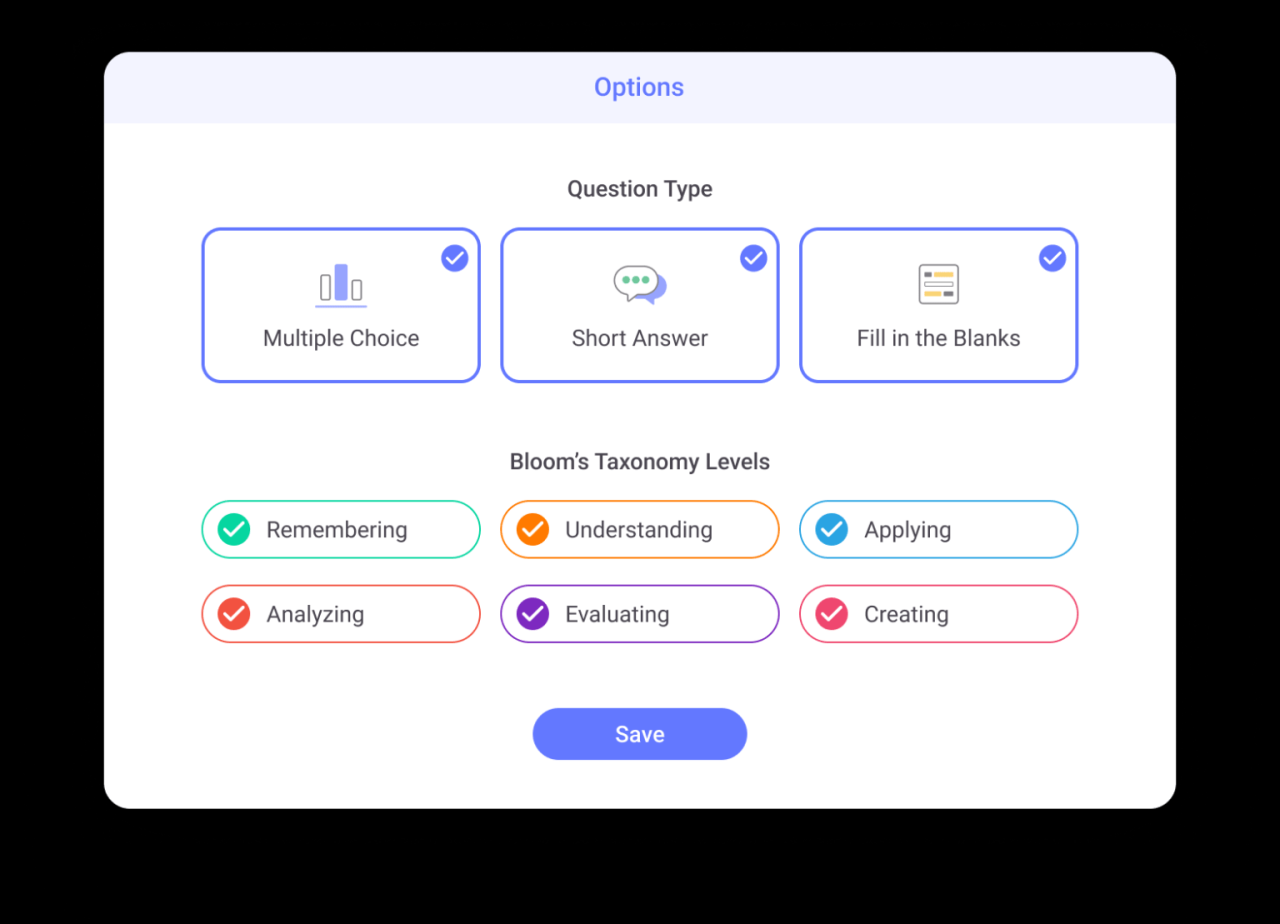
Creating compelling presentations extends beyond simply delivering information; it involves engaging the audience on a personal level and tailoring the content to their specific interests, preferences, and feedback. Artificial Intelligence offers innovative solutions to make presentations more interactive, relevant, and responsive, thereby enhancing the overall effectiveness of communication and audience satisfaction.AI-driven personalization involves analyzing audience data, such as demographics, prior engagement history, and expressed preferences, to customize presentation content.
This targeted approach ensures that the material resonates more deeply with viewers, increasing comprehension and retention. Additionally, embedding interactive elements powered by AI—such as real-time polls, personalized quizzes, or adaptive visuals—serves to actively involve the audience, transforming passive viewing into an engaging experience. AI can also facilitate the analysis of audience feedback during live presentations, enabling presenters to adapt their delivery dynamically, address emerging questions, or emphasize points of interest in real-time, thus fostering a more responsive and interactive environment.
Strategies for Tailoring Presentation Content Based on Audience Data and Preferences
Effective personalization begins with collecting relevant data about the audience. AI technologies can aggregate information from various sources, including registration details, social media activity, or previous interactions, to build comprehensive audience profiles. These profiles enable presenters to customize content by highlighting topics of particular interest, adjusting complexity levels, or emphasizing relevant case studies. AI algorithms can perform sentiment analysis on prior feedback or social media comments to gauge audience attitudes and tailor messaging accordingly.
For example, if data indicates that a corporate audience prefers data-driven insights over theoretical concepts, the AI can suggest incorporating more statistical analyses and case examples. Personalized content not only captures attention more effectively but also demonstrates a clear understanding of the audience’s needs, fostering trust and engagement.
Embedding Interactive Elements Powered by AI for Increased Engagement
Interactivity significantly enhances audience engagement, and AI enables the seamless integration of dynamic, personalized activities within presentations. AI-powered tools can generate real-time quizzes or polls that adapt questions based on prior responses, maintaining an optimal challenge level and interest. For instance, during a product launch presentation, AI can prompt live feedback on product features, allowing the presenter to address specific customer concerns immediately.Another approach involves AI-driven chatbots embedded within the presentation, which can answer questions, provide additional information, or facilitate discussions in real-time.
These chatbots analyze audience queries, determine intent, and respond accordingly, promoting active participation. Furthermore, AI can personalize visual and multimedia elements dynamically—such as adjusting infographic complexity or highlighting specific data points—based on audience reactions, thereby making the presentation more relevant and engaging.
Analyzing Audience Feedback in Real-Time to Adapt Presentations
The capacity to analyze audience feedback as it occurs transforms static presentations into interactive dialogues. AI systems utilize natural language processing (NLP) and sentiment analysis to assess verbal and non-verbal cues, such as facial expressions, tone of voice, and spoken comments, to gauge engagement levels and emotional responses.Real-time analysis allows presenters to modify their approach instantly—for example, by expanding on a popular topic, simplifying complex information, or shifting to more engaging multimedia content.
Feedback from live polls or chat interactions provides quantitative and qualitative data, informing immediate adjustments to maintain interest and clarity. For example, if AI detects signs of confusion or disinterest, the presenter can pivot to illustrative examples or interactive exercises tailored to re-engage the audience. This adaptive capability fosters a more responsive presentation style, improving overall effectiveness and audience satisfaction.
Speech and Delivery Optimization with AI
Enhancing speech delivery is a vital component of compelling presentations. Leveraging AI tools enables speakers to refine their vocal delivery, increase confidence, and ensure their message resonates effectively with the audience. Through advanced voice modulation, speech analysis, and synchronization with visual cues, presenters can significantly elevate their overall impact.
This section explores practical methods to utilize AI for optimizing speech and delivery, focusing on voice modulation, speech pattern analysis, and aligning delivery with visual aids to create seamless and engaging presentations.
Utilizing AI Voice Modulation and Speech Coaching Tools
AI-powered voice modulation and coaching tools offer presenters the ability to shape their vocal tone, pitch, pace, and emphasis dynamically. These tools analyze speech in real-time or from recordings, providing actionable feedback to improve clarity, expressiveness, and engagement. For instance, platforms like Adobe VoCo or Microsoft’s Azure Cognitive Services enable speakers to experiment with different vocal styles, adjust intonation, and eliminate unwanted fillers or hesitations.
To effectively utilize these tools, presenters should follow these steps:
- Record a sample speech segment using a high-quality microphone, ensuring clear audio capture.
- Upload or input the recording into the AI coaching platform, which will analyze speech attributes such as pitch variation, speech rate, and pauses.
- Review the feedback to identify areas that need improvement, such as excessive filler words or monotonous tone.
- Apply suggested adjustments through the platform’s modulation features or practice with simulated coaching sessions.
- Iterate the process until the delivery feels natural and impactful, integrating AI insights into live practice sessions.
Analyzing Speech Patterns for Improved Clarity and Confidence
Understanding individual speech patterns helps presenters identify habits that may hinder clarity or diminish confidence. AI-powered speech analysis tools utilize machine learning algorithms to dissect speech into components, revealing patterns such as pacing inconsistencies, emotional cues, or awkward pauses. These insights enable speakers to tailor their delivery for maximum effectiveness.
Key techniques include:
- Utilizing speech analytics software like Orai or Speechmatic to transcribe and analyze recordings of practice sessions.
- Reviewing metrics such as speech tempo, pause duration, and pitch range to spot areas needing adjustment.
- Receiving visual feedback through waveform and spectrogram displays, which illustrate speech dynamics over time.
- Implementing targeted exercises, such as pacing drills or breathing techniques, guided by AI recommendations to enhance voice control and confidence.
- Tracking progress by comparing successive recordings to measure improvements and adjust strategies accordingly.
Synchronizing Speech Delivery with Visual Cues via AI Assistance
Effective presentations rely on cohesive integration between spoken words and visual aids. AI assists in synchronizing speech with visual cues, ensuring transitions are smooth, and key points are emphasized at appropriate moments. This synchronization not only boosts audience engagement but also reinforces message retention.
Methods to achieve this include:
- Using AI-driven presentation software that offers real-time speech recognition and visual cue prompts, such as Prezi Video or Microsoft PowerPoint with AI integrations.
- Embedding markers within speech scripts that trigger visual effects or slide transitions at predetermined intervals, managed by AI timing algorithms.
- Employing AI tools that analyze speech rhythm and suggest optimal pacing for transitions, highlighting where speakers should pause or emphasize.
- Practicing with virtual coaches that provide feedback on alignment between speech and visual cues, allowing adjustments to timing and delivery style.
- Implementing biofeedback devices integrated with AI that monitor speaker’s stress levels or gestures, prompting alignment adjustments to maintain presentation flow.
Automating Presentation Workflow with AI
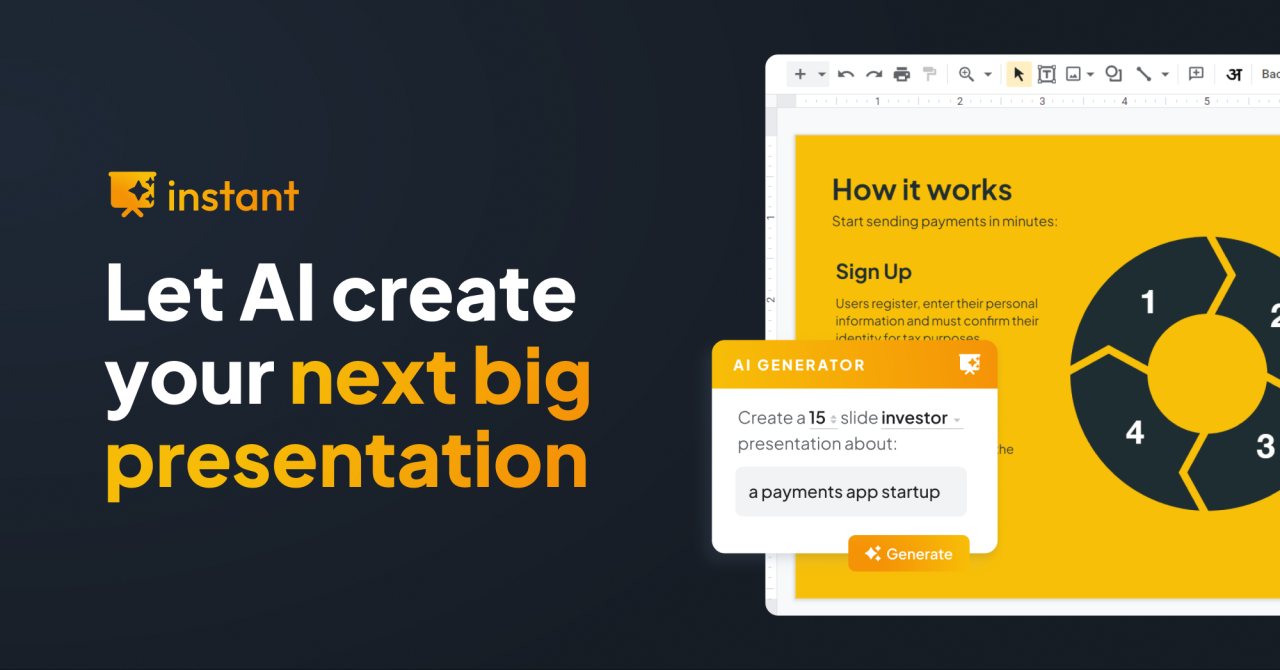
Integrating AI into the presentation development process significantly streamlines workflows, enhances productivity, and ensures consistency throughout the creation cycle. By leveraging AI-driven tools, professionals can automate routine tasks, optimize scheduling, and maintain high-quality standards with minimal manual intervention. This approach not only accelerates the overall process but also allows presenters to focus more on content quality and audience engagement.
Effective automation of presentation workflows encompasses procedures that incorporate AI from initial planning through editing, review, and final delivery. When implemented correctly, these procedures foster a more efficient, accurate, and cohesive presentation development cycle, ultimately leading to more compelling and polished presentations that resonate well with the target audience.
Procedures for Integrating AI into Presentation Planning and Editing Processes
Incorporating AI into the planning and editing stages involves adopting tools that assist in content organization, coherence, and consistency. These procedures ensure that the presentation aligns with the intended message and maintains a professional quality from start to finish.
- Content Structuring and Outlining: AI-powered platforms can analyze the presentation topic and suggest logical structures, hierarchies, and flow sequences. This helps to create a well-organized Artikel that enhances clarity and engagement. For example, tools like MindMeister integrated with AI can generate suggested Artikels based on the input s.
- Automated Content Drafting and Editing: AI language models can generate initial drafts of slides or edit existing content for clarity, grammar, and tone consistency. This reduces the time spent on manual writing and editing, allowing creators to focus on refining key messages.
- Multilingual Adaptation: AI translation tools facilitate creating multilingual versions of presentations, expanding reach without extensive manual translation efforts. This is particularly useful in global conferences or diverse audiences.
Organizing Approaches to Schedule and Prepare Presentation Materials Efficiently
Effective scheduling and preparation are crucial for timely delivery and resource management. AI tools can automate time management, resource allocation, and material organization, ensuring a smooth workflow from conception to final review.
- Intelligent Scheduling: AI-driven project management platforms like Asana or Trello integrated with predictive analytics can suggest optimal timelines based on task complexity, team availability, and prior project data. This ensures that each phase of presentation development remains on track.
- Content and Resource Management: AI-based content management systems automatically categorize, tag, and organize assets such as images, videos, and data charts. This enhances quick retrieval and seamless integration into slides.
- Automated Reminders and Notifications: AI can set intelligent reminders aligned with project milestones, prompting team members or stakeholders about upcoming deadlines or required inputs, thus minimizing delays.
Methods for AI-Assisted Review and Quality Checks of Presentation Content
Maintaining high standards in presentation content is facilitated through AI-powered review processes that detect errors, inconsistencies, and areas for improvement, ensuring a polished final product.
| Review Aspect | AI Methodology | Benefits |
|---|---|---|
| Language Accuracy | Grammar and Style Checking Tools (e.g., Grammarly, Hemingway App) | Reduces grammatical errors, enhances readability, and maintains tone consistency. |
| Visual Consistency | Design Automation and Template Compliance Tools | Ensures uniformity in fonts, colors, and layout, maintaining professional aesthetics. |
| Data Accuracy and Validation | AI Data Verification Systems | Detects errors in data representation, such as incorrect figures or inconsistent units, bolstering credibility. |
| Content Coherence | Natural Language Processing (NLP) algorithms | Analyzes narrative flow, highlights redundancies, and suggests improvements for logical progression. |
“AI-assisted review processes serve as an intelligent second eye, elevating the quality and professionalism of presentations.”
Future Trends and Opportunities in AI-Enhanced Presentations
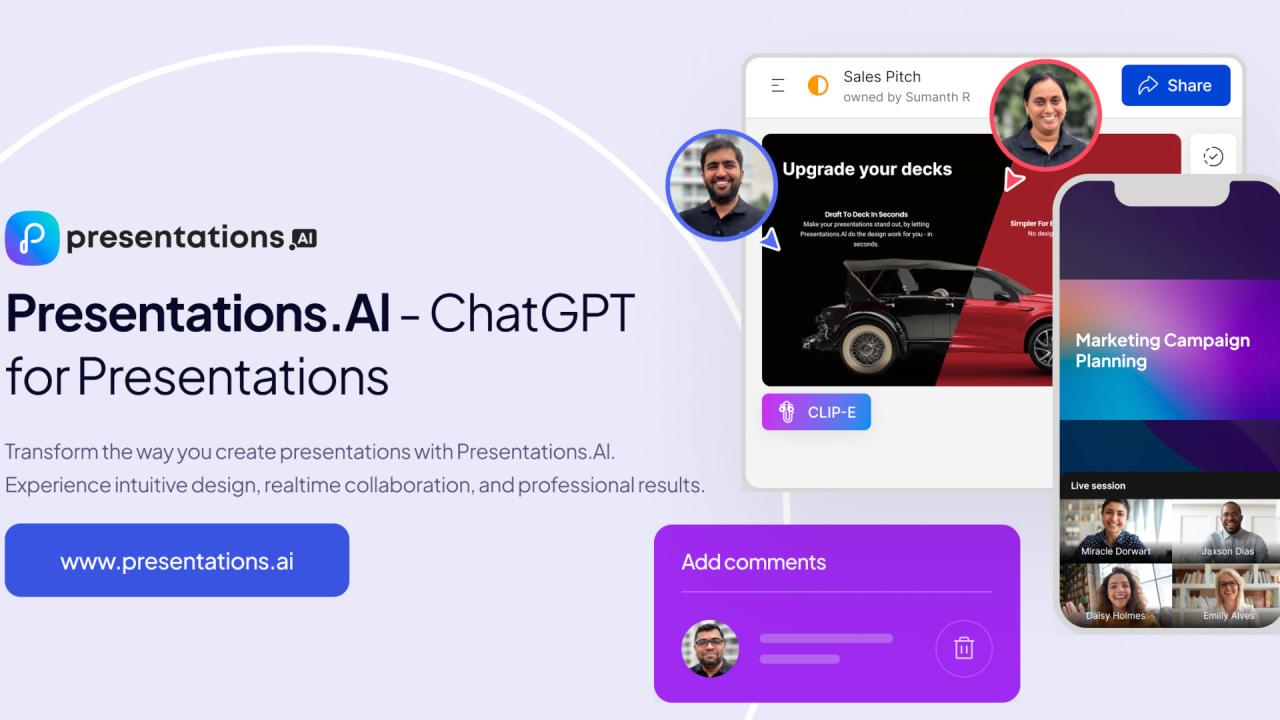
The landscape of presentation technology is continuously evolving, driven by rapid advancements in artificial intelligence. As AI systems become more sophisticated, their potential to transform how we create, deliver, and engage with presentations expands significantly. Embracing these innovations offers the opportunity to make presentations more impactful, personalized, and efficient, while also addressing emerging challenges related to ethics and usability.
Looking ahead, several emerging AI innovations promise to redefine presentation standards. From autonomous content creation to enhanced interactive experiences, the integration of AI is set to make presentations more dynamic and tailored. However, these advancements also necessitate careful consideration of potential obstacles, including ethical implications, data privacy, and the need for human oversight to maintain authenticity and credibility.
Emerging AI Innovations Enhancing Presentation Effectiveness
Recent developments in AI are opening new avenues for elevating presentation quality and engagement. These innovations include real-time language translation, emotion recognition, and advanced natural language processing capabilities that can generate compelling narratives automatically. Additionally, AI-powered analytics can assess audience reactions during live presentations, providing valuable feedback to speakers for immediate adjustments. As these technologies mature, they will increasingly enable presenters to deliver more personalized, immersive, and impactful content that resonates deeply with diverse audiences.
Comparison of Traditional and AI-Powered Presentation Methods
The transition from traditional presentation practices to AI-integrated approaches signifies a fundamental shift in how information is communicated. Traditional methods often rely on static slides, manual content creation, and limited audience interaction. In contrast, AI-powered presentations leverage automation, personalization, and real-time data analysis to craft more engaging and adaptive experiences. For example, while traditional presentations may involve hours of manual preparation, AI tools can automate content generation, suggest visual improvements, and tailor messaging based on audience demographics and preferences.
This evolution enhances efficiency and effectiveness, providing a more compelling delivery while reducing preparation time.
Potential Challenges and Ethical Considerations
Despite the promising benefits, deploying AI in presentation contexts introduces several challenges that must be addressed thoughtfully. Data privacy concerns arise when AI systems collect and analyze audience information during live sessions, raising questions about consent and security. Bias in AI algorithms can also lead to unfair or skewed content recommendations, potentially undermining credibility. Additionally, over-reliance on AI might diminish human authenticity and creativity, resulting in presentations that feel impersonal or mechanized.
Ethical frameworks and transparent practices are essential to ensure AI-driven presentations uphold integrity, respect user privacy, and foster trust among audiences. Ongoing research and development should aim to balance technological innovation with responsible deployment, ensuring AI enhances rather than detracts from effective communication.
Final Wrap-Up
In conclusion, embracing AI in presentation development unlocks new possibilities for creativity, personalization, and efficiency. As these technologies advance, they will continue to shape how we communicate ideas and influence audiences, making presentations more interactive and engaging than ever before. Staying informed about these trends ensures that professionals can harness the full potential of AI to make their presentations stand out and resonate deeply with their audiences.