Exploring how to enhance storytelling with AI reveals innovative approaches that transform traditional narratives into immersive and dynamic experiences. By integrating AI tools and techniques, storytellers can craft more compelling, personalized, and visually rich stories that resonate across diverse audiences.
This guide introduces foundational concepts, creative methods, and best practices for leveraging AI in storytelling, empowering creators to elevate their narratives while maintaining ethical standards and originality.
Foundations of Enhancing Storytelling with AI
Incorporating artificial intelligence into traditional storytelling practices offers a transformative approach to content creation, allowing storytellers to craft more dynamic, personalized, and engaging narratives. By understanding the core principles of AI integration, creators can leverage cutting-edge tools to complement their artistic vision while maintaining authenticity and emotional resonance.
AI can seamlessly blend with established storytelling techniques by providing support in areas such as character development, plot progression, and world-building. This synergy enhances the storyteller’s ability to generate diverse ideas rapidly, adapt narratives to audience preferences, and experiment with novel narrative structures. A foundation built on understanding both traditional storytelling frameworks and AI capabilities is essential for maximizing the potential of this technological fusion.
Integration of AI into Traditional Storytelling Techniques
AI integration involves using algorithms and machine learning models to augment various stages of the storytelling process. For example, natural language processing (NLP) can aid in developing dialogue or creating descriptive scenes that align with the narrative tone. AI can also analyze audience feedback in real-time to shape story arcs or suggest alternative plot directions, making stories more interactive and personalized.
In practice, storytellers may employ AI to generate initial drafts, brainstorm plot twists, or develop character backgrounds, which can then be refined manually to preserve creative intent. This collaborative approach ensures that AI functions as a creative partner rather than a replacement, enriching the storytelling process with innovative insights and efficiencies.
AI Tools Used to Generate Narrative Content
The market offers a variety of AI-powered platforms and tools designed specifically for narrative generation. These tools utilize advanced models trained on vast datasets of literature, scripts, and dialogues to produce coherent and contextually relevant content. Their applications range from automating scriptwriting to creating immersive virtual worlds.
Some of the most widely used AI storytelling tools include language models capable of paragraph generation, character creation software, and interactive story engines. These tools enable creators to generate content quickly, experiment with different storylines, and tailor narratives to specific audiences or platforms, such as video games, digital comics, or immersive VR experiences.
Comparison Chart of AI Storytelling Platforms
| Tool Name | Features | Use Cases | Limitations |
|---|---|---|---|
| OpenAI GPT-4 | Advanced language understanding, context-aware generation, multi-turn dialogue capabilities | Story Artikel creation, character dialogue scripting, interactive storytelling | Requires careful prompt tuning, may produce inconsistent outputs, high computational costs |
| Sudowrite | Creative writing assistance, plot development, descriptive language suggestions | Fiction writing, brainstorming plot ideas, enhancing descriptive scenes | Limited in maintaining long narrative coherence, reliance on user input for quality |
| Kami | Conversational AI, content generation, idea brainstorming | Storytelling conversations, scene scripting, character development | Possible repetition, requires moderation to avoid off-topic content |
| AI Dungeon | Interactive storytelling, branching narratives, player-driven story adaptation | Game design, immersive narrative experiences, interactive fiction | Limited control over narrative direction, potential for inconsistent story logic |
Creative Methods for AI-Driven Storytelling
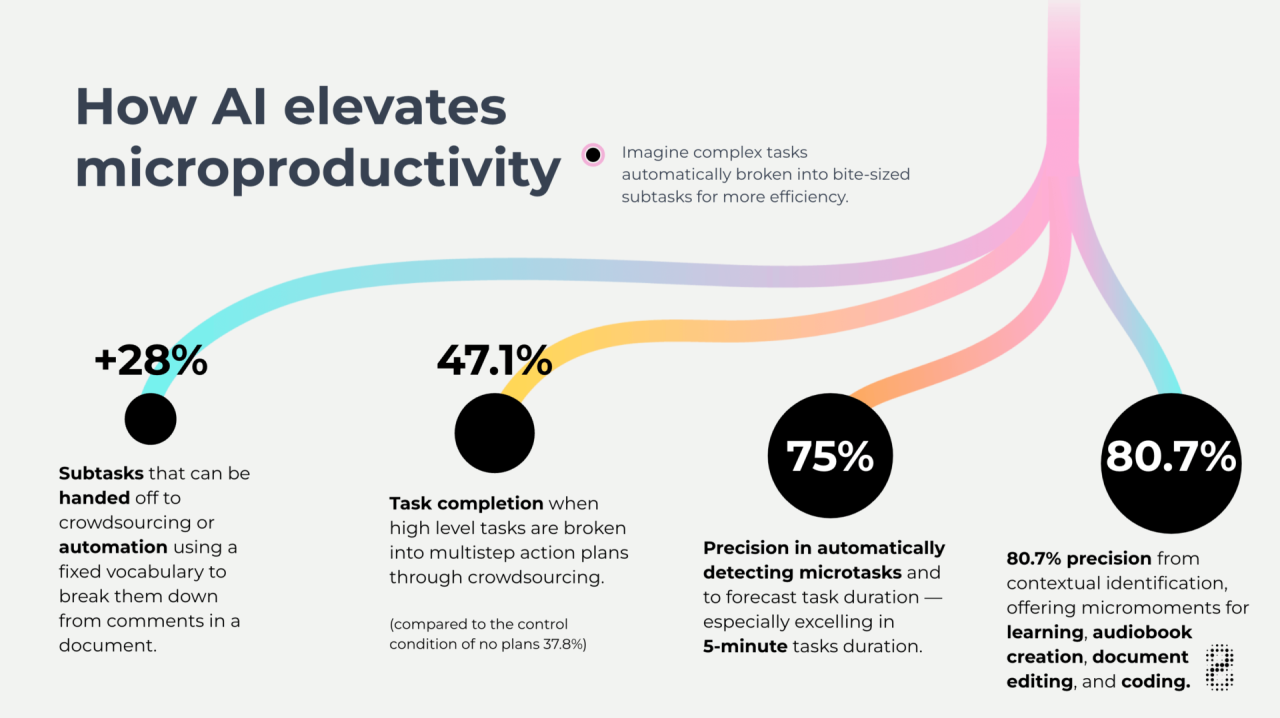
Innovative approaches to co-creating stories with AI have opened new horizons in narrative development, enabling storytellers to push beyond traditional boundaries and explore fresh avenues of creativity. By integrating AI into the storytelling process, writers and creators can unlock novel ideas, refine their narratives efficiently, and craft more engaging content that resonates with diverse audiences.
Implementing these methods involves understanding how to effectively incorporate AI tools into each stage of story development. This includes leveraging AI for explaining technical aspects, iteratively refining story elements, and adapting styles to suit specific themes or audiences. These techniques not only enhance the creative process but also foster a collaborative relationship between human ingenuity and machine intelligence.
Innovative Approaches to Co-Create Stories with AI Assistance
The landscape of AI-driven storytelling is characterized by several groundbreaking approaches that facilitate collaborative creation. These methods enable storytellers to harness AI’s capabilities to generate ideas, develop characters, and structure narratives seamlessly.
- Explaining Engineering: Utilizing AI to clarify complex narrative structures or technical storytelling elements helps creators understand underlying mechanics. For example, AI can break down story arcs or character development techniques, making them more accessible for creative adaptation.
- Iterative Refinement: Employing a cyclical process where AI generates story segments, which are then reviewed and refined by the creator, fosters continuous improvement. This approach ensures that the story evolves organically while benefiting from AI’s rapid output capabilities.
- Style Adaptation: Using AI to adjust the tone, language, and stylistic elements allows creators to tailor stories to specific genres or audiences. AI models trained on various literary styles can modify narrative voice to achieve desired emotional impacts.
Procedural Steps to Incorporate AI Explanings into Story Development
Integrating AI explanations into the creative workflow involves a systematic approach that enhances understanding and application of AI insights during storytelling. This ensures that AI not only assists in generation but also serves as an educational tool.
- Identify Key Narrative Elements: Determine which parts of the story require clarification or enhancement, such as plot points, character motivations, or thematic consistency.
- Leverage AI for Explanations: Use AI tools trained with narrative theory or storytelling techniques to provide detailed insights into these elements. For example, an AI can explain why a particular plot twist might resonate with audiences based on psychological principles.
- Incorporate AI Feedback into Drafts: Apply AI-derived explanations to refine story segments, ensuring coherence and depth. This involves iteratively adjusting the narrative based on AI suggestions and insights.
- Validate and Fine-Tune: Engage in a review process where the creator assesses AI explanations, ensuring they align with the intended story goals. Fine-tuning may involve additional AI prompts or manual adjustments to maintain creative control.
Additional Methods for Enhancing Creativity with AI
- Scenario Simulation: Using AI to generate multiple story scenarios based on different variables, enabling creators to explore diverse narrative pathways before settling on a final version.
- Character Development Assistance: AI can suggest character backgrounds, dialogue styles, and growth arcs, enriching the story’s depth and believability.
- Theme and Mood Optimization: AI algorithms analyze story content to recommend adjustments that enhance the overall emotional tone or thematic clarity, aligning the narrative with specific audience expectations.
Structuring Content with AI

Effective storytelling hinges not only on compelling narratives but also on well-organized content that guides the audience seamlessly through the story arc. Leveraging AI to structure story content enables creators to develop coherent, engaging, and dynamic narratives. AI-powered tools can assist in designing story frameworks, organizing plot points, and maintaining consistency across characters and story arcs, thereby enhancing the overall storytelling process.
By integrating AI suggestions into story structuring, writers and creators can streamline the development of complex plots, ensure logical progression, and enrich character development. This approach allows for a collaborative process where human creativity is augmented by AI-driven insights, resulting in stories that are both innovative and well-structured.
Creating a Structured Story Artikel Using AI
To harness AI effectively in structuring a story, it is essential to establish a clear Artikel that incorporates AI-generated suggestions at each stage. Begin with defining the central theme or message, then use AI tools to generate potential story arcs, character backstories, and key plot points. AI can analyze existing successful stories to suggest narrative beats, emotional peaks, and conflict resolutions, providing a solid foundation upon which to build your story.
Once the foundational elements are established, AI can assist in organizing these components into a logical sequence. This process involves mapping out story arcs, character trajectories, and pivotal plot points to create a cohesive narrative flow. This not only improves clarity but also helps in identifying gaps or inconsistencies that may need further development.
Organizing Story Arcs, Characters, and Plot Points
Organizing story elements involves creating a blueprint that shows how characters evolve, how plot points interconnect, and how story arcs develop over time. AI tools can analyze narrative data and suggest optimal placements for key events, ensuring that each component contributes meaningfully to the overall story. For instance, AI can recommend when to introduce a major character revelation or escalate tension at specific moments, aligning with traditional storytelling principles such as the three-act structure.
A well-structured story benefits from clear arc progression, consistent character development, and strategically placed plot points that build toward a satisfying climax. AI’s capacity to analyze vast amounts of narrative data can help identify the most effective points for these elements, optimizing narrative flow and engagement.
Story Structure Template
To illustrate how AI can facilitate story structuring, the following table presents a template that guides the organization of scenes, purposes, key events, and AI explanations. This template can be customized for various genres and story types, enabling creators to systematically plan and execute their narratives.
| Scene | Purpose | Key Events | AI Explainings |
|---|---|---|---|
| Introduction | Introduce protagonist and setting | Protagonist’s daily life, initial conflict | AI suggests establishing emotional connection early, based on successful story openings from similar genres |
| Inciting Incident | Set story in motion | Protagonist faces a challenge or receives a critical piece of information | AI recommends pacing the event to heighten suspense, based on tension-building techniques |
| Rising Action | Develop characters and plot complexity | Multiple obstacles, character decisions, secondary conflicts | AI analyzes narrative data to suggest where to introduce subplots for richer storytelling and character growth |
| Climax | Peak of tension and conflict resolution | Major confrontation or revelation | AI identifies optimal emotional peaks and scene placements to maximize impact |
| Resolution | Conclude story and resolve conflicts | Characters’ outcomes, moral or lesson, closure | AI proposes satisfying resolution structures aligned with story themes and audience expectations |
Enhancing Narrative Style through AI
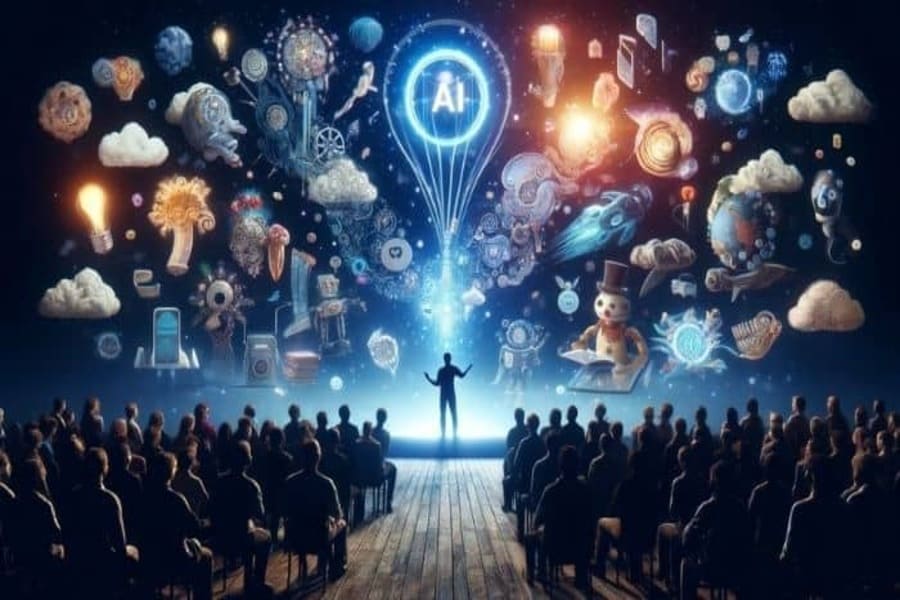
In the realm of storytelling, the style and voice significantly influence audience engagement and perception. AI tools now offer advanced capabilities to modify and refine narrative tone, voice, and stylistic elements, empowering creators to craft more compelling and tailored stories. Leveraging these technologies allows storytellers to experiment with diverse expressive modes and achieve consistency across various content formats, thereby elevating the overall storytelling experience.
Through the strategic application of AI-driven techniques, storytellers can adapt their narrative style to suit different audiences, genres, or emotional tones. This adaptability ensures that stories resonate more deeply with targeted viewers or readers, fostering stronger emotional connections and enhancing overall impact. The following sections delineate specific techniques for modifying narrative style, tailoring voices, and comparing stylistic variations generated by AI systems.
Techniques for Modifying Tone, Voice, and Style Using AI Tools
AI-powered language models and editing tools provide multiple avenues to influence narrative style effectively. These techniques enable creators to customize content to match desired emotional and stylistic parameters, thus ensuring the storytelling aligns with specific goals.
- Parameter Tuning: Many AI platforms allow users to adjust parameters such as randomness, temperature, and creativity levels. Increasing the temperature can produce more imaginative and expressive outputs, while lower settings tend to generate more conservative and clear narratives.
- Style Transfer Algorithms: These algorithms analyze the stylistic features of a target writing style—such as Shakespearean prose or modern journalistic tone—and apply those features to new content. This process helps in achieving a consistent stylistic voice across different stories or sections.
- Prompt Engineering: Crafting precise prompts guides AI to generate text with specific tone and voice characteristics. For instance, prompts emphasizing formal language, humor, or empathy direct the AI to produce outputs aligned with the desired style.
- Post-Generation Editing: Human-in-the-loop approaches utilize AI tools as initial generators, which are then refined through editing to enhance stylistic coherence and emotional tone.
These techniques collectively enable storytellers to manipulate narrative elements systematically, ensuring that the style remains aligned with the story’s intent and audience expectations.
Tailoring Storytelling Voice to Different Audiences
Effective storytelling necessitates understanding and adapting to the audience’s preferences, cultural background, and expectations. AI tools facilitate this customization by allowing creators to generate various stylistic versions of the same narrative, optimized for different demographics or contexts.
- Audience Profiling and Parameter Adjustment: By analyzing audience data—such as age, education level, or cultural nuances—AI models can be prompted to produce content that resonates more effectively. Adjusting tone, vocabulary, and formality levels ensures relevance and engagement.
- Style Simulation for Targeted Demographics: AI systems can simulate styles that appeal to specific groups, such as using more formal language for corporate audiences or employing colloquial expressions for younger demographics.
- Localized Content Generation: Incorporating cultural references, idioms, or regional language variants enhances relatability. AI models trained on localized data can generate stories that feel authentic and personalized.
Through these approaches, AI empowers storytellers to craft narratives that communicate effectively, build trust, and foster emotional connections across diverse audience segments.
Methods to Compare Different Stylistic Outputs Generated by AI
Evaluating and selecting the most suitable stylistic output is crucial for maintaining consistency and achieving narrative goals. Several methods facilitate the comparison of AI-generated styles to identify the most effective or desired tone.
| Comparison Method | Description | Application |
|---|---|---|
| Qualitative Review | Expert or user assessment of generated outputs based on criteria such as tone, clarity, emotional impact, and appropriateness. | Useful for subjective evaluation, especially when aligning style with brand or thematic goals. |
| Stylistic Metrics Analysis | Quantitative measures such as lexical diversity, sentence length, sentiment scores, and readability indices to compare stylistic features. | Facilitates objective comparison across multiple outputs, identifying variations or consistency. |
| Automated Similarity Measures | Algorithms like cosine similarity or embedding-based comparisons to evaluate how closely outputs align with reference styles or samples. | Effective for benchmarking AI outputs against desired stylistic benchmarks or previous works. |
| Audience Response Analytics | Monitoring engagement metrics such as click-through rates, shares, or emotional reactions to different stylistic versions. | Provides real-world effectiveness data to inform stylistic choices and refinements. |
Combining qualitative and quantitative methods offers a comprehensive approach to assessing stylistic variations, ensuring selected outputs best achieve the intended narrative voice and audience connection.
Visual and Multimedia Integration in AI Storytelling
Integrating visual and multimedia elements into AI-driven narratives significantly enhances storytelling by creating immersive, engaging experiences. These elements complement the narrative, evoke emotions, and provide clarity, making stories more memorable and impactful. Effective use of multimedia can transform static texts into dynamic, multisensory experiences that resonate deeply with audiences.
AI’s capability to generate and synchronize visual and audio components allows storytellers to craft rich, layered stories. This integration involves designing precise prompts for AI to produce visual elements that align seamlessly with narrative themes, characters, and settings, thereby elevating the storytelling experience to new heights.
Designing Descriptive Explaining Prompts for Visual Elements
Creating detailed and specific prompts for AI to generate visual content requires an understanding of how to communicate complex scenes, characters, and atmospheres effectively. Clear, descriptive prompts ensure that the AI understands the intended visual context and produces images or animations that accurately reflect the narrative’s mood and details.
Key aspects to consider include:
- Scene Descriptions: Specify the setting’s environment, lighting conditions, and key visual features. For example, “A bustling medieval marketplace at dusk, with warm orange hues illuminating cobblestone streets and diverse vendors selling vibrant textiles.”
- Character Appearances: Detail attire, facial expressions, poses, and unique traits to ensure characters are portrayed accurately. For instance, “A young woman with curly auburn hair, wearing a flowing emerald green dress, with a gentle smile and holding a bouquet of wildflowers.”
- Atmospheric Details: Convey mood through weather, sounds, and ambient elements. An example might be, “A peaceful forest scene with mist drifting among tall pine trees, accompanied by the distant sound of chirping birds.”
Types of Multimedia Elements for Integration
Incorporating various multimedia components enriches storytelling by providing sensory depth and enhancing engagement. Below are common categories of multimedia that can be seamlessly integrated with AI-generated narratives:
- Images and Illustrations: Static visuals that depict characters, settings, or symbolic elements, supporting visual storytelling and aiding comprehension.
- Soundscapes and Audio Effects: Background sounds, ambient noises, or thematic music that evoke specific moods or environments, making scenes more immersive.
- Animations and Dynamic Visuals: Moving images or sequences that illustrate actions, transitions, or complex concepts, adding a layer of dynamism to the story.
- Video Clips: Short videos that can capture motion, expressions, and interactions, ideal for conveying significant story moments or illustrating concepts.
Effective multimedia integration involves synchronizing visual and auditory elements to complement and reinforce narrative themes, ensuring a cohesive and immersive storytelling experience.
Best Practices and Ethical Considerations
Implementing AI-driven storytelling responsibly requires establishing clear guidelines to ensure ethical use, uphold originality, and respect cultural sensitivities. As AI becomes increasingly integrated into creative processes, it is essential to develop frameworks that promote transparency, accountability, and fairness. This ensures that stories generated or enhanced through AI serve diverse audiences ethically and maintain integrity in content creation.
Adhering to ethical best practices not only safeguards against potential misuse but also enhances the credibility and societal impact of AI-assisted storytelling. Establishing structured procedures for content review and ethical verification ensures that AI outputs align with responsible standards and respect cultural diversity. These measures foster trust among creators and audiences alike, positioning AI as a positive force in the evolution of storytelling.
Guidelines for Responsible Use of AI in Storytelling
Developing a comprehensive set of responsible use guidelines involves defining clear principles that govern AI application in storytelling. These principles should emphasize transparency, respect for intellectual property, cultural sensitivity, and the avoidance of harmful content. Organizations and creators should incorporate these guidelines into their workflows to promote ethical standards across all stages of content development.
- Transparency: Clearly disclose when AI tools are used in the creation or enhancement of stories to maintain honesty with audiences.
- Attribution and Originality: Ensure proper acknowledgment of sources and avoid plagiarism by verifying that AI-generated content is genuinely original or appropriately attributed.
- Cultural Sensitivity: Respect diverse cultural contexts by avoiding stereotypes, offensive language, or culturally inappropriate representations.
- Content Integrity: Maintain factual accuracy and prevent the dissemination of misinformation or biased narratives.
- AI Bias Mitigation: Continuously monitor and address biases present in AI models to promote equitable storytelling practices.
Ensuring Originality and Cultural Sensitivity
Maintaining originality and respecting cultural nuances are paramount in ethical AI storytelling. AI models trained on existing datasets may inadvertently reproduce biases or cultural insensitivities, necessitating proactive measures to mitigate these issues. This involves curating diverse, representative datasets and implementing filters that flag potentially problematic outputs.
- Dataset Curation: Use diverse, inclusive, and culturally sensitive datasets to train AI models, reducing the risk of biased or stereotypical content.
- Content Review Processes: Establish multi-layered review procedures involving human oversight to evaluate AI outputs for cultural appropriateness and originality.
- Bias Detection Tools: Utilize specialized tools that analyze generated content for bias, stereotypes, or inaccuracies, prompting revisions when necessary.
- Continuous Feedback Loops: Incorporate feedback from diverse audiences and cultural experts to refine AI models and improve sensitivity over time.
- Legal and Ethical Compliance: Ensure compliance with intellectual property laws and respect for cultural copyrights, avoiding unauthorized use of protected content.
Procedural Steps to Review AI-Generated Content
Implementing a robust review process is critical to ensure that AI-generated storytelling aligns with ethical standards, maintains factual accuracy, and respects cultural differences. The following procedural steps provide a structured approach to content verification:
- Initial AI Output Evaluation: Review the generated content for coherence, factual correctness, and alignment with the intended narrative or message.
- Cultural and Sensitivity Assessment: Examine the content for cultural appropriateness, avoiding stereotypes, offensive language, or misrepresentation. Engage cultural consultants if necessary.
- Bias and Fairness Analysis: Use automated bias detection tools to identify potential prejudices or unfair portrayals within the content. Manually review flagged sections for contextual accuracy.
- Fact-Checking and Verification: Cross-reference factual information with reliable sources to prevent the spread of misinformation. Correct inaccuracies promptly.
- Documentation and Feedback: Record review findings, including identified issues and corrective actions taken. Use this documentation to inform future AI training and content development processes.
- Final Approval and Disclosure: Once content passes all review stages, approve its publication with appropriate disclosures regarding AI involvement to maintain transparency with audiences.
Last Point
In summary, mastering how to enhance storytelling with AI offers enormous potential to innovate narrative creation. By combining technological capabilities with creative vision, storytellers can unlock new dimensions of engagement and expression, shaping the future of storytelling in exciting ways.