Discover how to automate presentation design with ai and transform the way you create professional slides efficiently. Leveraging AI-powered tools enables users to save time, ensure consistency, and produce visually appealing presentations with less effort. This innovative approach combines advanced functionalities with user-friendly processes, making presentation creation accessible to everyone.
By integrating AI into your workflow, you can automate tasks such as template generation, visual enhancements, and data visualization, resulting in polished and engaging presentations. Whether you’re working across platforms like PowerPoint or Google Slides, understanding these tools empowers you to craft impactful content tailored to your audience’s needs while maintaining high standards of quality.
Overview of Automating Presentation Design with AI
In today’s fast-paced digital environment, creating compelling and professional presentations can be both time-consuming and labor-intensive. Artificial Intelligence (AI) tools have emerged as innovative solutions that significantly streamline this process, enabling users to produce high-quality presentations with greater efficiency. Automating presentation design with AI not only accelerates workflow but also ensures consistency in visual style and content quality, making it an invaluable asset for professionals across various industries.
AI-powered presentation tools harness advanced algorithms and machine learning techniques to assist users in generating layouts, selecting color schemes, optimizing slide content, and even suggesting imagery. These capabilities reduce the need for manual formatting and design decisions, allowing users to focus more on crafting impactful messages. As a result, teams can deliver polished presentations faster, with less effort and fewer design discrepancies, ultimately elevating the overall quality of their communications.
Benefits of Automating Presentation Design with AI
Implementing AI in presentation design offers a multitude of advantages that positively impact productivity and presentation quality. First and foremost, it saves substantial time by automating routine tasks such as formatting slides, aligning elements, and choosing complementary color palettes. This efficiency is especially valuable for busy professionals who need to produce multiple presentations within tight deadlines.
Additionally, AI ensures visual consistency throughout a presentation. Automated style suggestions and template adherence help maintain a cohesive look, which is often challenging when designing manually, particularly for team collaborations involving multiple contributors. Furthermore, AI tools can analyze best practices in visual communication, providing suggestions that enhance clarity and engagement.
Beyond time-saving and consistency, AI-driven design tools democratize presentation creation by making professional-quality design accessible to users with limited graphic design experience. This democratization helps organizations maintain a standard of visual excellence regardless of individual expertise levels, thereby elevating overall communication effectiveness.
Comparison Between Manual and AI-Assisted Presentation Design
Manual presentation design relies heavily on the skills and experience of the individual creator, resulting in variable outcomes depending on expertise and available resources. It involves selecting templates, choosing colors, arranging content, and adjusting visual elements, often requiring multiple iterations to achieve the desired aesthetic and clarity. This process can be time-consuming, especially when creating multiple or complex presentations.
In contrast, AI-assisted methods leverage intelligent algorithms that automate many of these tasks. AI tools can generate slide layouts based on content, suggest appropriate visual elements, and automatically apply design principles such as alignment, contrast, and spacing. This automation reduces the design burden on users and accelerates the overall process.
Moreover, AI-driven design systems offer adaptive suggestions based on data-driven insights and current design trends, which can be difficult for manual processes to replicate consistently. As a result, presentations created with AI assistance tend to be more uniform, visually appealing, and aligned with professional standards, all while requiring less manual intervention.
Key Features of AI-Powered Presentation Design Tools
AI-powered presentation design tools have revolutionized the way professionals develop engaging, visually appealing presentations. By leveraging sophisticated algorithms, these tools automate many aspects of the design process, enabling users to produce high-quality slides efficiently. Understanding the core functionalities of these tools is essential for maximizing their potential in creating impactful presentations.
These features encompass a range of capabilities, from generating custom templates to enhancing visual elements, all driven by artificial intelligence. As a result, users can focus more on content development while the AI manages the aesthetic and structural aspects of their slides. The following s highlight the key functionalities that make AI-powered design tools indispensable in modern presentation creation.
Template Generation and Content Layout
AI-driven tools can automatically generate presentation templates tailored to the specific context or theme of the content. This includes selecting appropriate layouts that optimize information flow, ensuring clarity, and maintaining a professional appearance. The AI analyzes the content input to suggest slide structures, such as title slides, bullet points, and data presentation slides, aligning layout choices with best design practices.
Additionally, these tools assist in content organization by intelligently arranging text, images, and data visualizations. They prioritize coherence and balance, ensuring that each slide delivers a clear message without clutter or distraction. This automation significantly speeds up the design process, especially for users with limited graphic design experience.
Visual Enhancements and Color Scheme Selection
Visual appeal is a critical component of effective presentations. AI-powered tools can automatically select color schemes, fonts, and imagery that complement the presentation’s theme and intended audience. By analyzing the content and context, the AI suggests harmonious color combinations that evoke the desired emotional response, such as trust, excitement, or professionalism.
Fonts are chosen to optimize readability and aesthetic consistency across slides. AI can also source relevant imagery or icons that enhance the message, reducing the need for manual searching or licensing concerns. These features ensure a visually cohesive and engaging presentation without requiring extensive graphic design expertise.
Automatic Slide Transition and Data Visualization Optimization
Seamless flow between slides is vital for maintaining audience engagement. AI tools can recommend appropriate slide transition effects and durations based on the content’s nature and pacing requirements. These suggestions help presenters deliver smooth and professional transitions, enhancing the overall flow of the presentation.
Furthermore, data visualization is simplified through AI optimizations. The tools analyze datasets and recommend the most effective chart types, such as bar graphs, pie charts, or infographics, to represent the data clearly and attractively. They can also adjust color schemes and layout arrangements to improve readability and impact, ensuring complex data is easily comprehensible for the audience.
Step-by-Step Process to Automate Presentation Creation
Transforming raw content into a polished presentation can be streamlined significantly through the use of AI automation tools. By following a structured process, users can efficiently input their data, customize templates to align with branding standards, review the generated slides for accuracy, and export the final product in various formats suitable for different presentation contexts. This systematic approach ensures consistency, saves time, and enhances the overall quality of the presentation design process.
Each stage of this process leverages AI capabilities to optimize workflow and produce professional-grade presentations with minimal manual intervention. Understanding these procedures enables users to maximize the potential of AI-powered tools, resulting in compelling and brand-aligned presentations tailored to diverse audiences and purposes.
Inputting Presentation Content into AI Systems
Effective input of presentation content is fundamental to achieving optimal results from AI automation tools. The process involves organizing raw data, such as text, images, and multimedia, into formats recognized by the AI system. Typically, users can upload documents, such as Word files or PDFs, or directly paste structured content into designated input fields.
When preparing content, it is advisable to segment information into logical sections, including titles, bullet points, and key data points. Some AI platforms support prompts or templates that guide users to input content in a way that enhances coherence and relevance in the generated slides. For example, providing clear headings and concise descriptions ensures that the AI accurately translates input into visually appealing slides aligned with the intended message.
Customizing AI-Generated Templates to Match Branding Guidelines
To maintain brand consistency, customizing AI-generated templates is essential. Most AI presentation tools offer a library of customizable templates that can be tailored to reflect specific branding elements, such as logos, color schemes, fonts, and layout preferences. This customization process ensures that the final presentation aligns seamlessly with organizational branding standards.
Users should begin by selecting a base template that closely matches their desired style and then modify its components. Adjusting color palettes to match brand colors, uploading logos for placement in slide headers or footers, and setting default fonts consistent with brand guidelines are common steps. Advanced tools often allow creating custom templates that can be saved and reused across multiple presentations, enhancing efficiency and uniformity.
Reviewing and Refining AI-Designed Slides Efficiently
After AI-generated slides are produced, a systematic review process is crucial to ensure accuracy, clarity, and visual coherence. This involves examining each slide for typographical errors, factual accuracy, and alignment with the presentation’s objectives. Automated review features or collaboration tools integrated into AI platforms can facilitate quick feedback and iterative improvements.
Refinement steps include adjusting slide layouts for better visual balance, replacing or editing placeholder images, and enhancing text readability. Utilizing features such as slide previews, version comparisons, and comment tools accelerates the review process. It is also beneficial to validate that the sequence of slides logically flows, reinforcing the narrative and ensuring that key messages are effectively communicated.
Exporting Final Presentations into Various Formats
Once the presentation has been finalized, exporting it into different formats enables compatibility with various delivery platforms and devices. Common export options include PowerPoint (.pptx), PDF, video formats, or HTML for web sharing. The export process typically involves selecting the desired format from the AI tool’s menu and specifying any additional settings, such as slide resolution or animation options.
For presentations intended for online distribution or archiving, exporting as a PDF ensures document integrity across platforms. Converting slides into video formats allows for embedding narrations or animations, ideal for sharing via email or online streaming. Ensuring that the exported files are properly formatted and optimized enhances accessibility and presentation quality during delivery.
Integrating AI in Various Presentation Platforms
Seamless integration of AI-driven automation into widely used presentation software enhances efficiency, consistency, and creativity in creating professional presentations. By embedding AI capabilities within tools like PowerPoint, Google Slides, and specialized platforms, users can leverage intelligent features directly within their existing workflows, streamlining the design process and ensuring uniformity across different formats and teams.
Understanding the process of embedding AI automation involves exploring how these tools connect with external AI services, utilize APIs, and maintain synchronized workflows. Proper integration not only simplifies the presentation creation process but also enables collaboration, version control, and customization, making AI an integral part of your presentation development lifecycle.
Embedding AI Automation within Presentation Tools
Embedding AI features into popular presentation platforms involves a combination of plugin development, API utilization, and customization to suit organizational needs. Many platforms now support third-party add-ins or extensions that bring in AI-powered functionalities such as slide generation, content refinement, and visual enhancements. For example, PowerPoint offers Office Add-ins, which can be programmed to connect with AI services to automate tasks like layout suggestions or data visualization.
Similarly, Google Slides supports Google Apps Script and integrations with cloud-based AI APIs, enabling real-time automation and intelligent design recommendations.
This process typically involves developing or configuring plugins and connecting them to external AI services via APIs. These APIs facilitate data exchange, allowing AI models to analyze input content and suggest modifications or generate new slides based on user requirements. Developers often utilize RESTful APIs, OAuth for authentication, and JSON data formats to ensure secure and efficient communication between the presentation platform and AI services.
Connecting AI Tools with Existing Workflows Using APIs and Integrations
Integrating AI tools into current presentation workflows requires establishing reliable and scalable connections through APIs and native platform integrations. This ensures that AI automation functions smoothly within the existing environment, minimizing disruptions and maximizing productivity. Organizations can connect AI services like natural language processing (NLP), image recognition, or data analysis APIs with their presentation tools to automate content creation, editing, and formatting tasks.
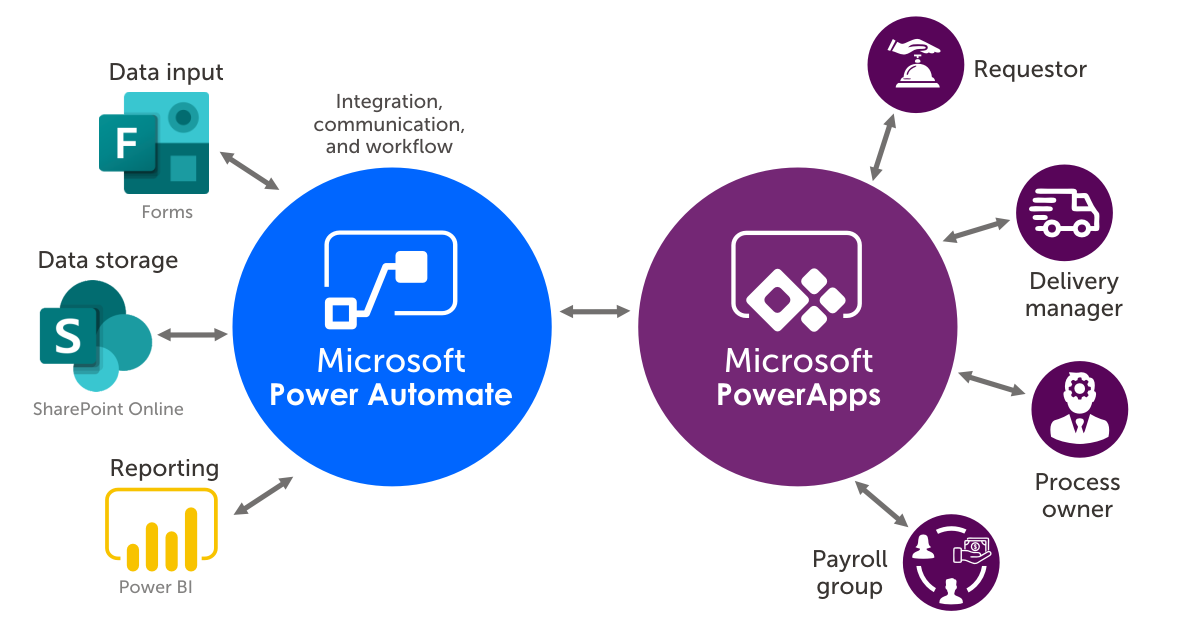
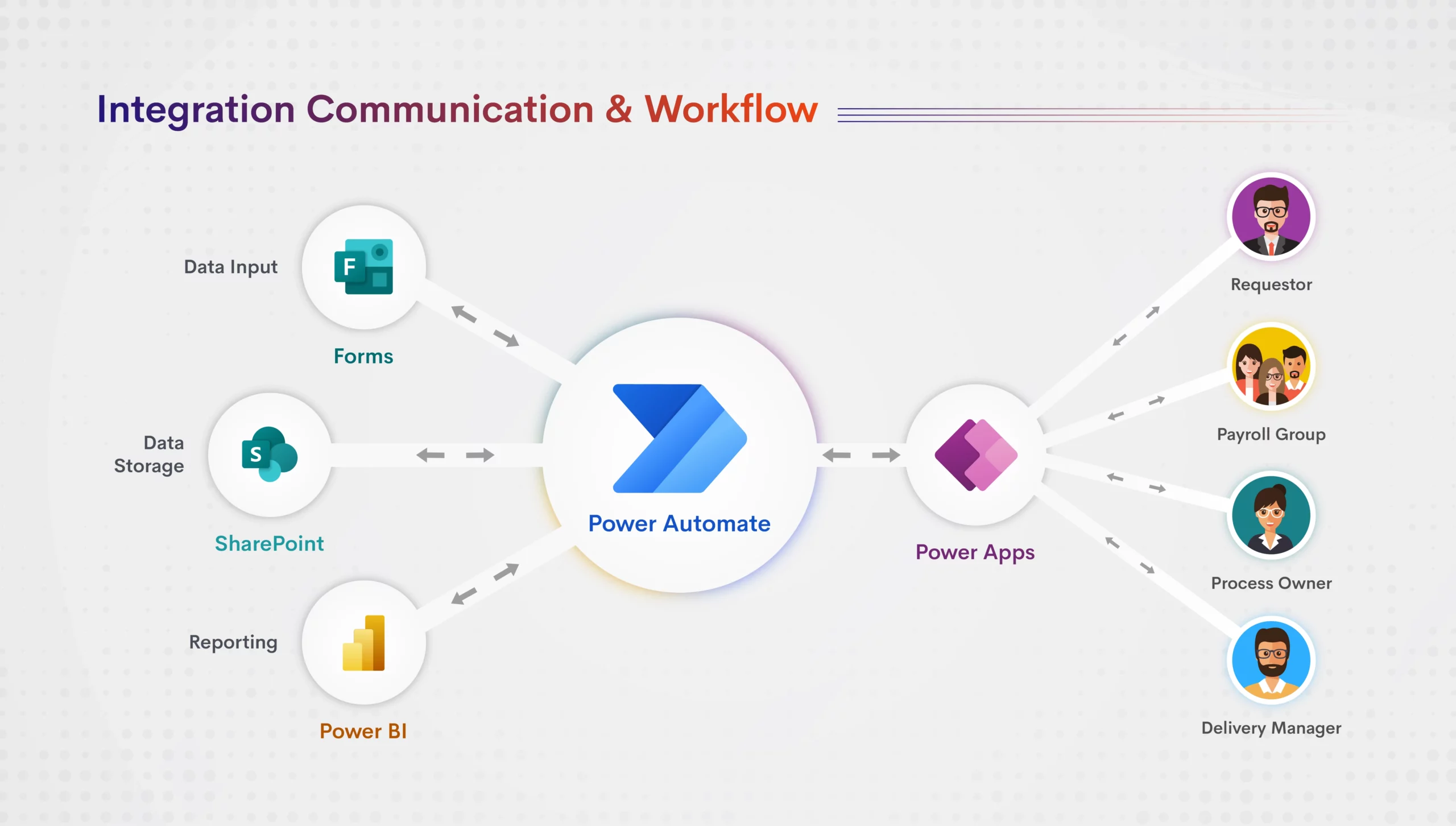
Best practices include utilizing platform-specific SDKs and API documentation to develop custom integrations. For instance, leveraging Google Slides API enables automated slide creation, updating, and content insertion directly from data sources or AI models. PowerPoint’s Open XML SDK allows for programmatic manipulation of presentation files, which can be combined with AI outputs to update slides dynamically. Additionally, workflow automation platforms such as Zapier or Microsoft Power Automate can facilitate the integration of AI services without extensive coding, enabling triggers and actions across multiple applications.
Maintaining Consistency Across Different Presentation Software
Achieving visual and functional consistency when using multiple presentation platforms necessitates standardized templates, style guides, and synchronization protocols. It is crucial to define common design elements, such as color schemes, fonts, and layout rules, that are compatible across tools. Automated processes can enforce these standards by applying style templates via scripting or AI-based formatting tools, reducing manual adjustments and discrepancies.
To facilitate consistency, organizations can develop centralized repositories of templates and style libraries that are compatible with different software. Integration with cloud services or content management systems enables automatic updates and uniform application of branding elements. Moreover, employing AI-driven style enforcement tools that analyze presentation content and suggest or implement stylistic adjustments helps maintain a cohesive visual identity across diverse platforms and teams.
Consistent branding and styling are essential for establishing a professional and recognizable presentation identity. Employing integrated AI tools and standardized templates ensures that each presentation aligns with organizational standards, regardless of the software used.
Customizing AI-Generated Content
Effective presentation design benefits greatly from tailored content that resonates with the target audience and aligns with specific presentation objectives. While AI-powered tools offer valuable initial suggestions, customizing these outputs ensures greater relevance, engagement, and clarity. This process involves refining AI recommendations for visuals and text to better reflect the presenter’s message and audience preferences, thereby creating more impactful presentations.AI-generated suggestions serve as a foundation, but they often require adjustments to better suit unique contexts.
Customization enhances the presentation’s authenticity and ensures that the content aligns with organizational branding, tone, and style. It also allows presenters to highlight critical insights and tailor messaging for diverse audiences, whether they are executives, technical teams, or external clients.
Tailoring AI Suggestions to Audience and Goals
To maximize the effectiveness of AI-assisted design, it is crucial to align suggestions with the specific characteristics of the audience and the overarching presentation goals. This can be achieved through the following methods:
- Assess the audience’s familiarity with the topic and adjust the complexity of language and visuals accordingly. For a technical crowd, incorporate detailed charts and precise terminology; for a general audience, focus on simplified visuals and layman-friendly language.
- Define clear presentation objectives, such as informing, persuading, or motivating, and modify AI suggestions to emphasize key messages aligned with these goals. For instance, if the goal is to persuade, enhance visuals with compelling infographics and emphasize strong call-to-actions in the text.
- Utilize audience data and feedback to refine content. If prior feedback indicates a preference for visual storytelling, prioritize visuals over extensive textual explanations when customizing AI recommendations.
Customizing AI suggestions involves understanding these nuances and actively editing content to suit the intended impact, thereby transforming generic templates into personalized communication tools.
Modifying AI-Recommended Visuals and Text for Engagement
Visual engagement is pivotal in maintaining audience interest and conveying complex information effectively. Adjusting AI-proposed visuals and text can significantly enhance presentation impact:
- Visual Optimization: Replace suggested stock images with contextually relevant visuals that resonate with the audience’s experiences. For example, converting generic charts into data-driven infographics tailored with actual metrics from recent projects enhances credibility and clarity.
- Text Refinement: Edit AI-generated summaries or bullet points to include specific examples, anecdotes, or data points relevant to the audience. This contextualization makes content more relatable and memorable.
- Visual Hierarchy: Alter layout and design elements by adjusting font sizes, colors, and spacing to emphasize focal points. For instance, highlighting key statistics with bold colors or large fonts draws attention and improves information retention.
Using visuals that are both relevant and aesthetically engaging increases the likelihood of message retention and audience interaction during presentations.
Techniques for Overriding AI Suggestions While Maintaining Efficiency
Balancing manual adjustments with the automation capabilities of AI tools is essential for efficient yet personalized presentation design:
- Template Customization: Save preferred styles and layouts within AI tools to minimize repetitive adjustments. Overriding default suggestions with personalized templates ensures quick consistency across multiple presentations.
- and Context Revisions: Provide AI with specific s or context prompts to generate more aligned suggestions initially, reducing the need for extensive edits later.
- Incremental Editing: Use AI suggestions as a baseline, then make targeted modifications focusing on critical areas such as key messages or visuals, thus saving time while ensuring relevance.
- Feedback Loop: Utilize AI systems that learn from manual adjustments by providing feedback on what was changed or improved. This iterative process enhances the relevance of future AI suggestions, streamlining customization over time.
Implementing these techniques enables presenters to leverage automation efficiently, customizing content effectively without sacrificing productivity or consistency.
Automation of Data-Driven Visuals
Effective presentation of complex data hinges on transforming raw information into clear, engaging visuals. Leveraging AI tools streamlines this process, enabling presenters to generate compelling charts and infographics that resonate with audiences and enhance understanding.
AI-assisted automation in creating data-driven visuals involves a series of intelligent procedures that convert large datasets into visually appealing and insightful graphics. This approach not only saves time but also improves accuracy and consistency, ensuring that the visuals accurately reflect underlying data trends and relationships.
Procedures for Transforming Raw Data into Visuals with AI Assistance
Transforming raw data into impactful visuals requires systematic procedures that AI tools facilitate seamlessly. The process begins with data preprocessing, where AI algorithms clean, normalize, and organize datasets to ensure quality and relevance. Next, AI analyzes the data to identify key patterns, trends, and outliers that can inform visual design choices. Advanced AI systems then recommend the most suitable types of visualizations—such as bar charts, line graphs, pie charts, or infographics—based on the data characteristics.
Once the appropriate visualization type is selected, AI automates the creation of these visuals by mapping data points to visual elements, adjusting scales, colors, and labels for clarity. Modern AI tools often include features for generating annotations and insights directly within visuals, making complex data narratives more accessible. Additionally, these systems can optimize visuals for presentation format, ensuring that graphics are visually balanced and aligned with the overall presentation style.
Strategies for Selecting the Most Effective Visual Representations
Selecting the optimal visualization requires understanding the nature of the data and the audience’s informational needs. AI-powered tools assist by analyzing data attributes—such as the type of variables (categorical or numerical), volume, and distribution—and recommending visual formats that best highlight the key messages.
Effective strategies include prioritizing simplicity to avoid cognitive overload, using color contrasts to differentiate data segments clearly, and emphasizing trends or outliers with appropriate visual cues. AI systems can evaluate multiple visualization options rapidly, providing data-driven suggestions to ensure that the chosen representation effectively communicates insights. For example, an AI might recommend a heatmap to display regional sales data or a line chart to demonstrate sales trends over time, based on the dataset’s features.
Updating Visuals Dynamically as Data Changes
In scenarios where data is continuously updated, such as real-time sales dashboards or live survey results, maintaining current visuals is vital for accurate decision-making. AI enables dynamic updating of visuals by integrating with live data feeds and automating refresh processes.
Implementing automated data integration workflows involves setting AI systems to monitor data sources for changes and trigger visual updates accordingly. This ensures that stakeholders always see the latest information without manual intervention. Further, AI can adjust visual properties dynamically—such as scaling axes, highlighting new outliers, or modifying color schemes—based on evolving data patterns, thereby maintaining visual clarity and relevance over time.
Adopting these AI-driven procedures for data visualization not only enhances presentation quality but also empowers users to communicate complex data insights more effectively, making presentations more engaging and informative.
Best Practices and Tips for Effective AI-Enhanced Presentations
Creating compelling presentations that effectively leverage AI technology requires a strategic approach that balances automation with personal input. Implementing best practices can enhance both the efficiency of the workflow and the quality of the final presentation, ensuring that the content resonates with the audience and maintains a professional standard.Careful selection of AI tools tailored to the complexity and purpose of the presentation is essential.
Overly simplistic tools may suffice for basic slides, while more advanced platforms with features like data integration and customization options are preferable for detailed, data-driven presentations. Striking a balance between automation and personal creativity ensures the presentation retains a human touch, allowing for unique insights and stylistic preferences to shine through.Awareness of common pitfalls in automating presentation design can help prevent issues such as over-reliance on templates, loss of brand consistency, or the inclusion of irrelevant content.
Regular review, editing, and customization of AI-generated outputs are crucial to maintaining accuracy and alignment with the intended message. Establishing clear guidelines for AI use within your organization can also streamline processes and set quality standards.Integrating AI into existing workflows can be exemplified through successful case studies. For instance, a marketing team might automate data visualization for quarterly reports using AI-driven tools like Beautiful.ai or Canva, which enable rapid creation of visually appealing charts and summaries, freeing up time for strategic analysis.
Similarly, educators can utilize AI-powered presentation tools to generate engaging lecture slides that incorporate relevant multimedia and adaptive content to enhance student engagement.By adhering to these best practices, users can maximize the benefits of AI-powered presentation design, ensuring efficiency without sacrificing creativity or precision.
Choosing Suitable AI Tools Based on Presentation Complexity
Selecting the appropriate AI tools hinges on understanding the scope and complexity of your presentation. For simple, straightforward slides, user-friendly platforms such as Visme or Prezi offer quick templates and automated features that require minimal customization. These tools are ideal for internal updates or quick pitches where speed and simplicity are priorities.For more complex presentations that involve extensive data analysis, custom branding, or multimedia integration, advanced AI platforms like Beautiful.ai, PowerPoint’s Designer feature, or Slidebean provide sophisticated automation capabilities.
These tools offer dynamic content generation, adaptive layouts, and seamless data visualization, making them suitable for high-stakes presentations such as investor pitches or annual reports.Organizations should evaluate factors such as integration capabilities with existing software, ease of use, customization options, and cost. Conducting pilot tests or trial runs can also help determine which tools align best with your specific needs, ensuring that the selected AI platform enhances productivity without compromising quality.
Maintaining a Balance Between Automation and Creative Input
While AI significantly accelerates presentation creation, preserving space for personal creativity remains vital. Automation can handle repetitive tasks like layout design and initial content suggestions, but adding a personal touch ensures the presentation reflects your unique message and style.Encourage iterative editing where AI-generated slides are reviewed, customized, and enriched with personalized insights, storytelling elements, and branding. This approach prevents presentations from appearing overly templated or generic, fostering a genuine connection with the audience.Utilize AI as an assistant rather than a sole creator; for example, generate initial layouts or visuals, then adapt them with your commentary, annotations, and strategic emphasis.
Incorporating your voice and expertise into the slides enhances authenticity and can improve audience engagement.
Common Pitfalls and Solutions in Automating Presentation Design
Automation can introduce challenges such as overdependence on templates, inconsistent branding, and inclusion of irrelevant or inaccurate content. Awareness and proactive management of these issues safeguard the presentation’s professionalism.One common pitfall is the “template trap,” where presentations become uniform and lack originality. To mitigate this, customize templates extensively, incorporate unique visual elements, and tailor content to your audience’s preferences.Inaccuracy or misalignment with key messages can occur if AI tools generate content without sufficient oversight.
Always review AI suggestions critically, verify data accuracy, and adjust language and visuals to match your objectives.Another challenge involves maintaining brand consistency across slides generated at different times or by different tools. Developing a standardized style guide and integrating it into the AI configuration ensures visual and tonal coherence.Solutions include regular quality checks, leveraging AI tools with customization capabilities, and fostering user training to maximize effective use of automation features.
Examples of Successful AI-Automated Presentation Workflows
A leading multinational corporation adopted an AI-driven workflow for quarterly financial reporting. The process involved using PowerPoint’s Designer feature combined with data visualization tools like Tableau. The AI generated initial slide layouts, suggested visual styles, and embedded relevant charts, which were then customized by the finance team. This workflow reduced preparation time by 50% and improved report clarity.In the education sector, an online university employed AI tools such as Canva and Beautiful.ai to produce course lecture slides rapidly.
Instructors uploaded key content, and the AI offered design suggestions and multimedia integration options. The instructors then personalized slides with their notes and examples, resulting in engaging, consistent course materials delivered efficiently.A marketing agency utilized AI-powered presentation software to develop client pitch decks. Automating the creation of visual storytelling elements allowed creative teams to focus on crafting persuasive narratives. The resulting presentations were not only visually appealing but also delivered in a fraction of the usual time, boosting client satisfaction and internal productivity.
Future Trends in AI and Presentation Design
The landscape of presentation design continues to evolve rapidly as artificial intelligence (AI) advances. Emerging technologies promise to transform how presentations are created, personalized, and interacted with, making the process more efficient and tailored to individual needs. Staying informed about these developments enables professionals to leverage cutting-edge tools and prepare for upcoming shifts in the industry.
As AI technologies become more sophisticated, their integration into presentation design is expected to enhance automation capabilities, foster greater customization, and introduce novel interactive features. However, these advancements also present challenges related to ethical considerations, data privacy, and the need for human oversight to ensure responsible use of AI-driven tools.
Emerging AI Technologies for Enhanced Automation
Innovations such as natural language processing (NLP), computer vision, and machine learning are poised to significantly expand the scope of automated presentation creation. NLP allows AI to understand and generate human-like narrative content, enabling the automatic drafting of speaker notes and slide text. Computer vision can analyze visual data, facilitating real-time image and video integration into slides with minimal user input.
Machine learning models can learn user preferences over time, offering increasingly personalized design suggestions and content curation.
Furthermore, advancements in generative AI—such as models capable of producing high-quality visuals, infographics, and even entire slides—are transforming how presentations are assembled. These technologies can reduce manual effort while maintaining high standards of professionalism and creativity, empowering users to produce compelling presentations rapidly.
Impact on Presentation Customization and Interactivity
AI is set to revolutionize how presentations are tailored to individual audiences by providing dynamic customization options. Adaptive AI systems can analyze audience data, such as engagement metrics or demographic information, to modify content, visuals, and even delivery style in real time. This level of personalization enhances relevance, engagement, and comprehension.
Additionally, AI-driven interactivity will enable presentations to become more engaging through intelligent chatbots, voice-controlled navigation, and real-time data updates. These features facilitate a more interactive experience, allowing presenters to respond to audience feedback seamlessly and adjust their content on the fly, fostering deeper engagement and understanding.
Challenges and Ethical Considerations in Automated Design Processes
The integration of advanced AI into presentation design raises important challenges related to ethical use, data security, and bias mitigation. AI systems rely on vast amounts of data, which must be handled responsibly to protect privacy and prevent misuse. Ensuring transparency in AI decision-making processes is essential to maintain trust and accountability.
There is also a risk of perpetuating biases present in training data, which can lead to unfair or inaccurate representations in automated content. Human oversight remains crucial to review AI-generated outputs for cultural sensitivity, accuracy, and appropriateness. Moreover, reliance on automation should not diminish the value of human creativity and judgment in crafting meaningful and impactful presentations.
“The future of AI in presentation design hinges on balancing technological innovation with ethical responsibility, ensuring tools serve to enhance human creativity rather than replace it.”
Epilogue
In conclusion, mastering how to automate presentation design with ai opens new horizons for efficiency and creativity. Embracing these technologies not only simplifies the production process but also enhances the overall quality of your presentations. Staying updated with emerging AI trends ensures you remain at the forefront of innovative communication methods, ultimately delivering compelling and professional slides with ease.