Discover how to create compelling pitch decks for funding by harnessing the power of artificial intelligence. This innovative approach not only accelerates the development process but also enhances the overall quality and effectiveness of your presentations. By integrating AI tools, entrepreneurs and startups can craft persuasive narratives, analyze market data efficiently, and design captivating visuals that resonate with potential investors, all while saving time and resources.
This guide explores the essential components of a successful funding pitch deck, demonstrates how AI can automate research and content generation, and offers best practices for delivering impactful presentations. Embracing AI in this context paves the way for more strategic, personalized, and professional pitches that stand out in competitive funding environments.
Overview of AI in creating pitch decks for funding
Artificial intelligence (AI) has revolutionized numerous industries by automating complex processes and enhancing decision-making capabilities. In the realm of startup fundraising, AI tools are increasingly being integrated into the development of compelling pitch decks. These advanced technologies streamline the creation process, enabling entrepreneurs to craft professional, persuasive presentations efficiently while emphasizing data-driven storytelling and visual appeal.
By leveraging AI, founders can reduce the time and effort traditionally spent on designing decks, focus on strategic content, and tailor presentations to specific investor preferences. AI solutions can analyze market data, generate visually engaging slides, and optimize the narrative flow, thereby increasing the likelihood of securing funding. This integration not only enhances the quality of pitch decks but also democratizes access to sophisticated presentation tools, empowering a broader range of entrepreneurs.
Benefits of integrating AI tools into pitch deck creation
Incorporating AI into the pitch deck development process offers numerous advantages that significantly improve outcomes for startup founders. These benefits include increased efficiency, consistency, and customization, which are critical in highly competitive funding landscapes.
- Time Savings: AI automates repetitive tasks such as slide formatting, data visualization, and content suggestions, allowing entrepreneurs to focus on strategic storytelling rather than design complexities.
- Enhanced Data Analysis: AI-powered tools can analyze vast amounts of market data, financial projections, and competitor information, integrating relevant insights directly into the presentation to strengthen credibility.
- Personalization: AI can tailor pitch decks to specific investor profiles by adjusting messaging, emphasizing areas of interest, and optimizing visual elements to resonate more effectively with target audiences.
- Consistency and Quality: Automated templates and style guides ensure a professional, cohesive look throughout the deck, elevating the startup’s presentation standards without requiring extensive design expertise.
- Real-Time Feedback and Optimization: AI tools can provide immediate suggestions on content clarity, visual impact, and persuasive elements, enabling iterative improvements before presenting to investors.
Comparison between traditional and AI-assisted pitch deck creation methods
Traditional methods of creating pitch decks often involve manual effort, relying heavily on the entrepreneur’s design skills, industry knowledge, and access to design tools. This process can be time-consuming, inconsistent, and susceptible to subjective biases that may hinder the presentation’s effectiveness.
Conversely, AI-assisted approaches offer a more streamlined and data-driven process. These technologies utilize algorithms and machine learning models to generate, refine, and personalize pitch decks rapidly, often with minimal manual input. AI tools can suggest content improvements, design layouts, and visual elements based on best practices and real-time data analysis.
The integration of AI in pitch deck creation enables startups to produce high-quality, investor-ready presentations in a fraction of the time required by traditional methods, while also enhancing the strategic relevance and visual appeal of their decks.
By comparing the two approaches, it becomes evident that AI-assisted methods not only accelerate the development process but also improve the overall quality and effectiveness of pitch decks, ultimately increasing the chances of successful funding rounds.
Essential Components of a Funding Pitch Deck
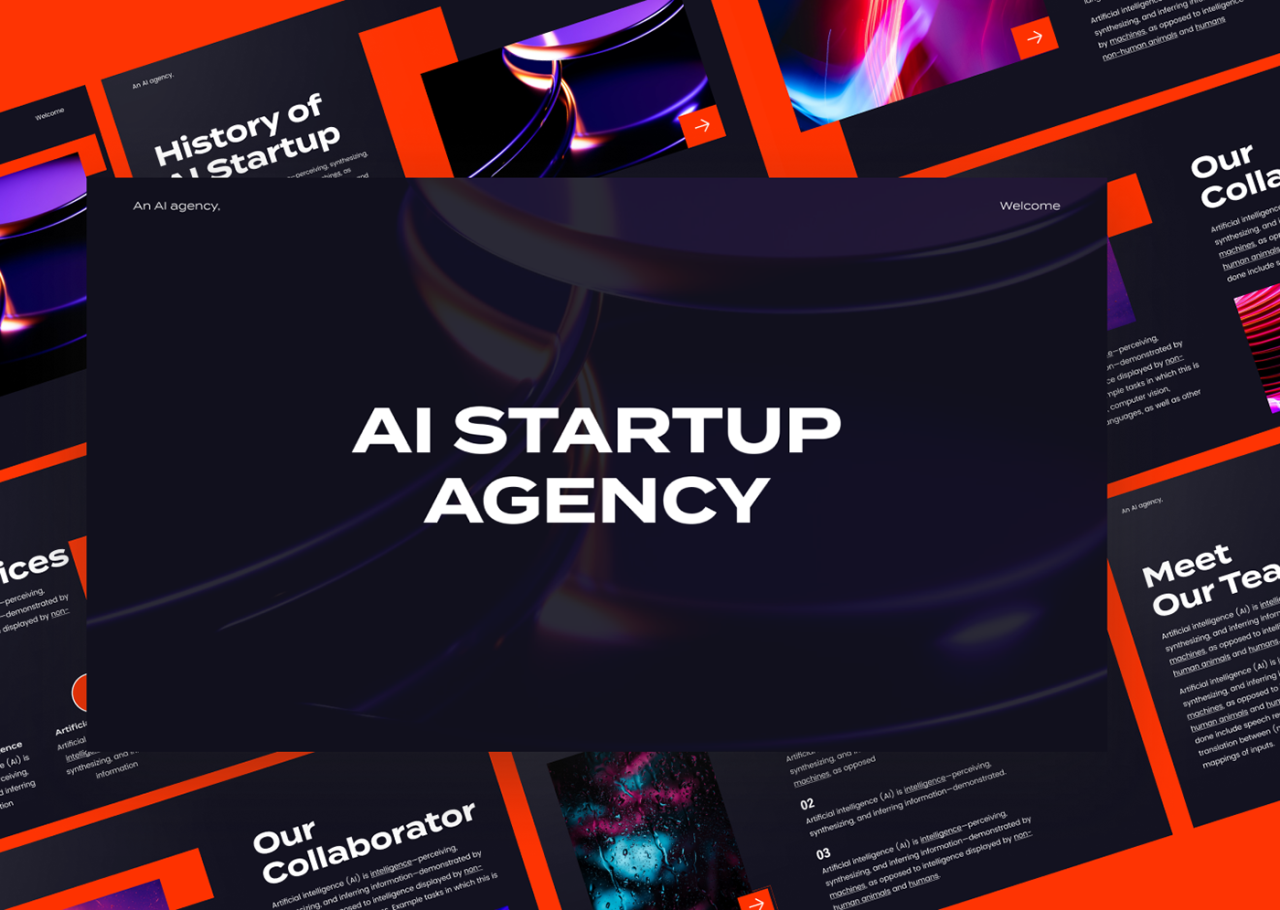
A compelling funding pitch deck is a crucial tool for entrepreneurs seeking investment, as it effectively communicates the core aspects of a business opportunity to potential investors. An organized and comprehensive pitch deck not only highlights the unique value proposition but also builds confidence in the venture’s potential for growth and profitability. Using AI-driven tools to craft each component ensures clarity, data accuracy, and visual appeal, making the presentation more persuasive and professional.
Key sections of a funding pitch deck should be carefully structured to provide a logical flow of information, addressing investor concerns and interests. Each component plays a vital role in shaping the overall narrative, emphasizing the problem-solving capability of the business, the market opportunity, operational strategy, and financial viability. Below, the essential sections are organized in a tabular format, accompanied by examples, a checklist for completeness, and guidance on effective content creation.
Structured Components of a Pitch Deck
| Section | Description | Effective Content Examples | Key Considerations |
|---|---|---|---|
| Problem Statement | Defines the pain point or unmet need that your product or service addresses. It establishes relevance and urgency for the solution. | “Over 60% of small retailers struggle with inventory management, leading to lost sales and customer dissatisfaction.”—a data-backed statement highlighting a significant industry challenge. | Clearly articulate the problem; include real-world data or testimonials to illustrate urgency. |
| Solution | Describes your product or service and how it effectively solves the identified problem. Focus on unique features or innovations. | “Our AI-powered inventory system automates stock tracking, reducing errors by 90% and saving retailers an average of 10 hours weekly.” | Highlight differentiation; include visuals or demos if possible. |
| Market Analysis | Provides insights into target market size, segmentation, and growth potential. Demonstrates understanding of industry dynamics. | “The global retail inventory management market is projected to reach $5 billion by 2027, growing at a CAGR of 12%.” | Use credible sources; include charts or graphs to visualize data. |
| Business Model | Explains how the company creates, delivers, and captures value, including revenue streams and pricing strategies. | “Our SaaS subscription model offers monthly plans starting at $49, with additional revenue from consulting services.” | Show scalability and sustainability; include customer acquisition channels. |
| Financial Projections | Forecasts revenues, expenses, and profitability over the next 3-5 years, demonstrating financial viability. | “Projected revenue of $2 million in Year 3, with a gross margin of 65%, based on customer acquisition assumptions.” | Use realistic assumptions; include key financial metrics and visual charts. |
Checklist for Critical Elements in a Pitch Deck
Ensuring all essential components are included and well-developed is fundamental for an effective pitch deck. The following checklist serves as a guide to verify completeness and quality:
- Problem clearly articulated with supporting data or testimonials.
- Solution description highlighting innovation, uniqueness, and benefits.
- Comprehensive market analysis with credible data, segmentation, and growth prospects.
- Business model detailed with revenue streams, pricing, and customer acquisition strategies.
- Financial projections accurate, realistic, and supported by assumptions, with key metrics displayed visually.
- Team overview emphasizing expertise and relevant experience.
- Competitive analysis identifying differentiators and barriers to entry.
- Funding requirements explicitly stated, including how funds will be allocated.
- Traction or milestones achieved to date, such as user growth, partnerships, or sales.
- Additional supporting visuals—charts, infographics, or product demos—to enhance understanding.
“A thorough review based on this checklist significantly increases the likelihood of capturing investor interest and securing funding.”
Leveraging AI tools to gather and analyze data
In the process of creating compelling pitch decks for funding, the effective gathering and analysis of data are crucial. Artificial Intelligence (AI) tools have revolutionized this aspect by automating extensive research tasks, allowing entrepreneurs to generate insightful and accurate data-driven narratives that attract investors. Utilizing AI not only accelerates data collection but also enhances the quality and depth of the analysis, enabling startups to present a strong, evidence-backed case for their venture’s potential.
AI-powered data analysis tools can efficiently process vast amounts of information, transforming raw data into actionable insights. They facilitate a comprehensive understanding of market dynamics, competitor positioning, industry trends, and customer preferences—all integral components of a persuasive pitch deck. By integrating these AI capabilities, founders can confidently showcase data that substantiates their market opportunity, competitive edge, and growth strategies.
Automating market research and competitor analysis
Market research and competitor analysis are foundational activities in preparing a funding pitch. Traditionally, these processes are time-consuming and require manual data collection from various sources. AI tools automate these tasks, enabling real-time aggregation and analysis of relevant information from multiple channels such as news outlets, social media, financial reports, and industry databases.
- Data scraping and aggregation: AI algorithms can scrape websites, social media platforms, and online publications to gather data on market size, customer feedback, and emerging trends. For example, AI can monitor thousands of product reviews across platforms like Amazon or app stores to identify consumer sentiment.
- Sentiment analysis: Natural Language Processing (NLP) techniques analyze textual data to determine the overall sentiment towards specific products, services, or competitors, providing a nuanced understanding of market perception.
- Competitive landscape mapping: AI tools identify key competitors, track their product launches, marketing strategies, and pricing models, creating a comprehensive competitive map that highlights gaps and opportunities.
Using AI to identify industry trends and customer insights
Understanding industry trends and customer insights is vital for positioning a startup for growth. AI-driven analytics tools process vast datasets to reveal patterns, forecasts, and behavioral insights that might be overlooked through manual analysis. These capabilities enable founders to anticipate market shifts and align their strategies accordingly.
- Trend detection: AI models analyze historical data and social media activity to identify emerging trends, such as shifts toward sustainable products or technological adoption. For example, AI might detect a rising interest in electric vehicles based on search queries, online discussions, and sales metrics.
- Customer segmentation: Using clustering algorithms, AI segments customers into groups based on demographics, purchasing behavior, and preferences. This segmentation helps tailor messaging and product offerings in the pitch deck to match target audience needs.
- Predictive analytics: AI forecasts future behaviors and market developments, providing valuable insights into potential revenue streams and growth trajectories. For instance, predictive models may estimate a 20% increase in demand for a new app feature based on current user engagement data.
Sample Data Insights Generated by AI Tools:
| Data Category | Insight | Application in Pitch Deck |
|---|---|---|
| Market Size | Global renewable energy market projected to grow at 8% annually over the next five years. | Justifies the market opportunity and scalability potential. |
| Customer Sentiment | 85% of recent reviews indicate high satisfaction with eco-friendly products in Q2 2024. | Supports product positioning and customer loyalty strategies. |
| Competitor Activity | Major competitor launched a new product line in March 2024, affecting market share. | Informs competitive response and differentiation strategies. |
| Emerging Trends | Increased consumer interest in plant-based diets, with search volume up 30% year-over-year. | Highlights growth opportunities in health-conscious food sectors. |
AI-driven Content Generation for Pitch Decks
Creating an engaging and persuasive pitch deck requires compelling narratives and clear value propositions. Leveraging AI tools streamlines this process by assisting entrepreneurs and startups in developing impactful content that resonates with investors. AI-driven content generation not only saves time but also enhances the quality and consistency of the messaging, giving startups a competitive edge in capital raising efforts.This approach involves utilizing advanced natural language processing (NLP) models to craft persuasive stories, synthesize complex data into accessible insights, and generate key messages tailored to the target audience.
By systematically applying AI, founders can ensure their pitch decks are both compelling and professionally polished, increasing the likelihood of securing funding.
Using AI to Craft Compelling Narratives and Value Propositions
Developing a persuasive narrative and a strong value proposition is fundamental to capturing investor interest. AI tools facilitate this by analyzing market data, customer feedback, and competitive landscapes to identify unique selling points and craft cohesive stories. The process includes:
- Inputting core business details, including mission, vision, and product benefits, into AI platforms designed for content creation.
- Utilizing prompts that guide AI to generate narratives emphasizing the problem, solution, and impact.
- Incorporating data points and customer testimonials to enrich the story, making it authentic and relatable.
- Iteratively refining the narrative based on AI suggestions and feedback to enhance clarity and emotional appeal.
AI models like GPT-4 can generate multiple versions of the story, allowing entrepreneurs to select the most compelling one or combine elements to create a cohesive narrative.
Organizing Content for AI to Generate Executive Summaries and Key Messages
Effective summaries and key messages distill the essence of a pitch deck into concise, memorable statements. Proper organization of input content is crucial to enable AI to generate these summaries effectively. This involves:
Providing structured data and clear instructions enhances AI’s ability to generate accurate, relevant summaries that highlight critical points.
- Preparing detailed Artikels that include main problem statements, solutions, market size, and financial highlights.
- Using bullet points and numbered lists to clearly delineate each component for AI processing.
- Including context and background information to guide AI in understanding the significance of each element.
- Requesting specific outputs such as executive summaries, elevator pitches, or key messaging statements with defined length and tone.
Once organized properly, AI can synthesize these inputs into succinct summaries, ensuring consistency and clarity across the deck.
Editing and Refining AI-generated Content for Clarity and Impact
While AI tools produce high-quality drafts, human oversight remains essential to ensure that content is clear, impactful, and aligned with the startup’s voice. The editing process involves:
- Reviewing AI-generated text to correct any inaccuracies and improve coherence.
- Enhancing language to increase emotional appeal or professionalism, depending on the target investor audience.
- Adjusting tone and style to match the company’s branding and messaging strategy.
- Using iterative feedback loops where modifications are fed back into AI for further refinement.
- Conducting readability checks to ensure the content is engaging and easily understandable within seconds or minutes.
In practice, startups often employ a combination of AI suggestions and expert editing to produce a final script that is both compelling and precise, maximizing impact during investor presentations.
Designing Visual Elements Using AI
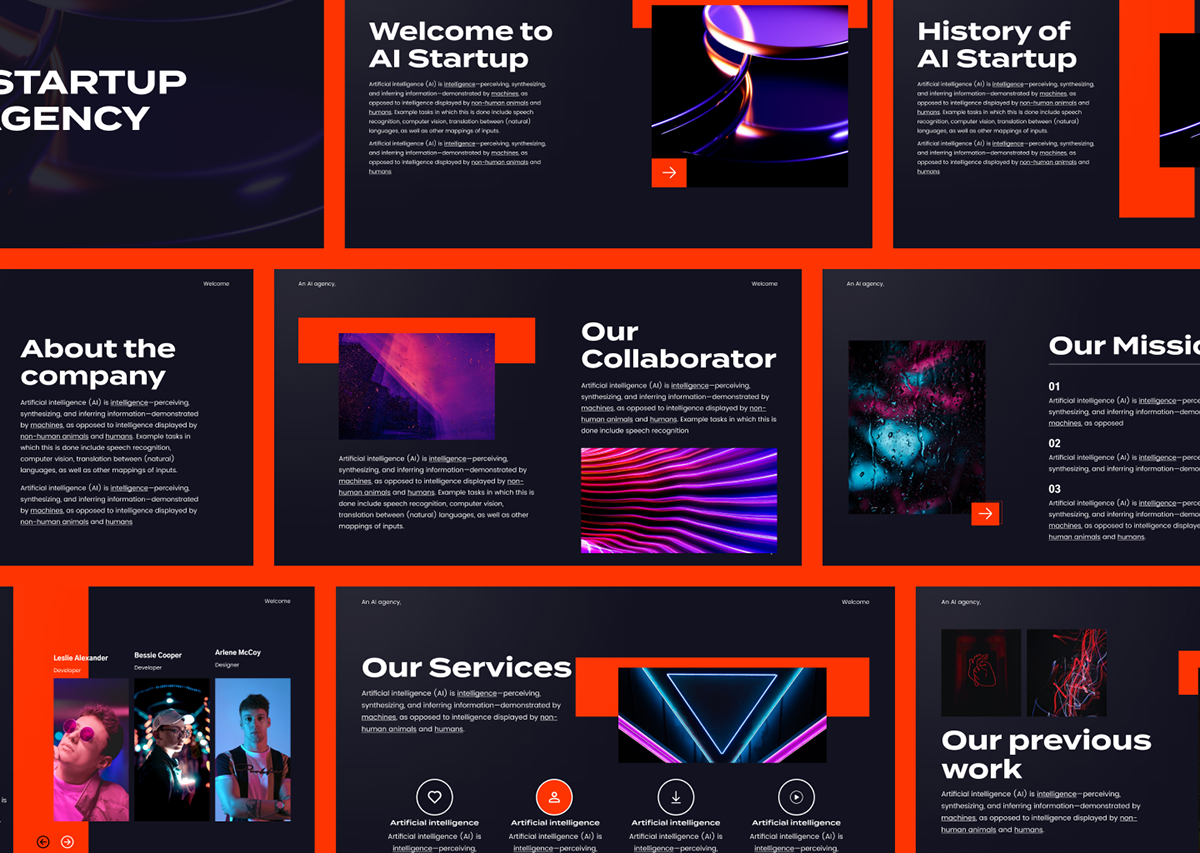
Creating compelling visual elements is a vital component of an effective pitch deck, as visuals can significantly enhance understanding and engagement. Leveraging AI tools for designing these elements streamlines the process, ensuring professional quality while saving time. AI-powered solutions can generate high-quality charts, infographics, and other visual aids tailored to your data and messaging, helping to communicate your startup’s value proposition more vividly and convincingly.
AI can also assist in refining the aesthetic aspects of your visuals by suggesting appropriate color schemes, layouts, and visual styles that align with your branding and target audience. Integrating these AI-generated visuals into your pitch deck allows for cohesive and visually appealing slides that can leave a lasting impression on potential investors.
AI-Assisted Creation of Charts, Infographics, and Visual Aids
Visual aids such as charts, infographics, and icons play a crucial role in simplifying complex data and highlighting key insights. AI tools can automatically analyze your raw data and produce professional-grade visualizations that accurately reflect the information. For example, platforms like Tableau’s AI features or Canva’s design suggestions utilize machine learning algorithms to recommend the best chart types based on your data patterns, whether it’s a bar chart, pie chart, or scatter plot.AI can also personalize visual aids by aligning them with your branding, such as incorporating your color palette or logo seamlessly into the visuals.
In addition, some AI tools can generate infographics from textual data, transforming lengthy reports into digestible visual summaries, which are particularly valuable when presenting market research, financial forecasts, or competitive analyses.
AI-Driven Suggestions for Color Schemes, Layouts, and Visual Styles
Choosing the right color schemes, layouts, and visual styles enhances the clarity and aesthetic appeal of your pitch deck. AI-powered design platforms, such as Adobe Color or DesignScape, analyze your existing branding or presentation theme and suggest complementary color combinations that evoke the desired emotional response—trust, innovation, urgency, etc.These tools also provide layout recommendations to optimize information flow, ensuring that each slide maintains a balance between text and visuals, avoiding clutter and emphasizing key points.
Furthermore, AI can suggest visual styles—minimalist, modern, corporate, or creative—that best suit your industry and target investor profile. For instance, a tech startup aiming to project innovation might lean towards sleek, futuristic aesthetics, guided by AI suggestions that align with current design trends.
Integrating AI-Generated Visuals into Pitch Deck Slides Effectively
Effective integration of AI-generated visuals requires a strategic approach to maximize their impact. Once visuals are created, they should be embedded thoughtfully into slides, maintaining consistency in style and theme throughout the deck. AI tools often allow for direct export to presentation platforms like PowerPoint or Google Slides, streamlining the workflow.Ensuring that visuals support the narrative is essential—charts should be simple, with clear labels, and infographics should highlight key data points without overwhelming the viewer.
It is advantageous to use a consistent visual language, such as uniform icon styles and color schemes dictated by AI recommendations, to enhance professionalism and cohesion. Additionally, consider the placement of visuals to guide the viewer’s eye naturally across the slide, using whitespace and alignment principles that AI can help optimize. Properly integrated visuals can elevate your pitch, making data more accessible and the overall presentation more persuasive.
Personalizing and customizing pitch decks with AI
Creating a compelling pitch deck involves more than just presenting data; it requires tailoring the content to resonate with specific investors and funding contexts. AI-powered tools offer innovative solutions to personalize presentation materials, ensuring they align with investor preferences, funding stages, and individual expectations. These technologies enable entrepreneurs and startups to craft highly relevant and engaging pitches that improve the chances of securing funding.Utilizing AI to personalize pitch decks involves analyzing investor profiles, past investments, and communication preferences.
By examining data such as investment history, sectors of interest, and engagement patterns, AI systems can suggest content modifications, tone adjustments, and focus areas that appeal directly to each investor. This targeted approach demonstrates a deep understanding of investor priorities, fostering trust and increasing the likelihood of positive outcomes.
Tailoring content based on investor profiles and preferences
Investors differ significantly in their interests, decision-making criteria, and presentation styles. AI tools can gather and analyze publicly available information, including investor portfolios, social media activity, and previous funding behaviors. This analysis helps generate customized pitch decks that highlight aspects most relevant to each investor. For example, if an investor has a history of funding sustainable technology, the AI can emphasize the environmental impact and scalability of your project, ensuring your pitch aligns with their core interests.The process typically includes:
- Collecting data on investor backgrounds and preferences through AI-enabled data scraping and analysis.
- Identifying key themes and success factors that appeal to specific investors.
- Adapting messaging, balancing technical details with strategic insights tailored to the investor’s profile.
Personalized pitches demonstrate understanding and respect for investor priorities, substantially increasing engagement and funding potential.
Adapting messaging for different funding stages
Different stages of funding—seed, Series A, Series B, or later rounds—call for distinct messaging strategies. AI facilitates dynamic adaptation by analyzing the maturity of your business, market conditions, and investor expectations at each stage. For early-stage funding, AI can emphasize innovation potential, team strength, and market opportunity. Conversely, for later stages, the focus shifts to traction, revenue growth, and scalability.This process involves:
- Using AI algorithms to analyze the current stage of your venture and corresponding investor preferences.
- Generating stage-appropriate content that emphasizes relevant milestones and future projections.
- Recommending language, visuals, and data points that resonate with investors at each funding phase.
AI-driven messaging adaptation ensures your pitch remains relevant, compelling, and aligned with investor expectations at every development stage.
Automating updates and revisions using AI tools
Updating and revising pitch decks in response to feedback, changing data, or new milestones can be resource-consuming. AI tools enable automation of these processes, ensuring your pitch remains current and accurate with minimal manual effort. Once initial customization is complete, recurrent updates—such as new financials, product developments, or market shifts—can be integrated seamlessly by AI.This approach typically involves:
- Integrating data feeds that automatically update key metrics and visuals within the deck.
- Using natural language processing (NLP) tools to revise narrative sections, incorporating recent achievements or market changes.
- Setting parameters for AI to suggest improvements or modifications based on stakeholder feedback or competitive landscape shifts.
This automation not only saves time but also ensures that your pitch deck remains a dynamic, authoritative document that accurately reflects your current business status, making it more appealing to investors and improving your chances of successful funding rounds.
Best practices for presenting AI-created pitch decks
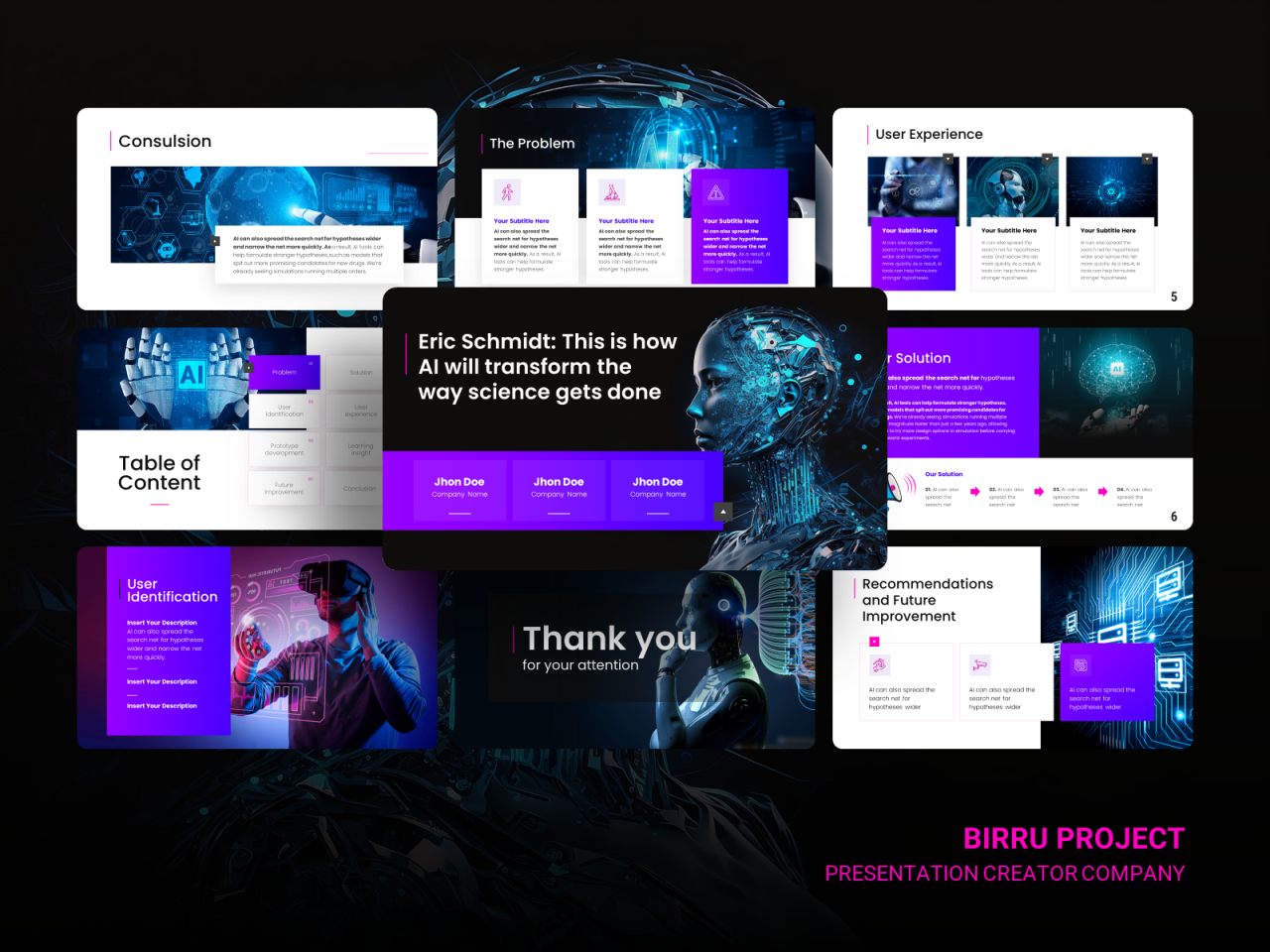
Creating an effective pitch presentation using AI-generated content offers numerous advantages, such as enhanced visual appeal and data-driven insights. However, the success of a pitch ultimately depends on how well it is delivered. Implementing best practices ensures that AI-generated decks resonate with investors, communicate key messages clearly, and maximize engagement. These practices are vital to translating AI-driven content into compelling storytelling that secures funding and builds investor confidence.A strategic approach to presenting AI-created pitch decks involves not only understanding the content but also mastering delivery techniques, audience engagement, and feedback integration.
Consistently applying these practices enhances the overall impact of your presentation and emphasizes your preparedness and professionalism.
Testing readability, engagement, and clarity of AI-generated decks
Ensuring that an AI-created pitch deck is easily understood and engaging is a critical step prior to presentation. It involves applying methods to evaluate readability, visual appeal, and message clarity. These assessments help identify areas for improvement, ensuring the deck effectively communicates its value proposition to diverse audiences.One method involves utilizing readability analysis tools, such as Flesch-Kincaid or Gunning Fog Index, to determine if the language complexity aligns with the target audience’s literacy level.
For example, a startup seeking early-stage investors might aim for simpler language, while a more technical audience may appreciate detailed data. Engagement can be measured through user testing or peer review, where colleagues or potential investors review the deck and provide feedback on clarity, engagement levels, and visual appeal. Additionally, conducting short practice presentations allows you to observe audience reactions and identify sections that may require simplification or emphasis.Finally, analyzing visual elements for clarity involves checking if infographics, charts, and images convey information intuitively without causing confusion.
Ensuring consistency in font sizes, color schemes, and layout also enhances readability and professional appearance.
Incorporating AI-driven feedback into final presentations
AI tools can generate valuable insights regarding the effectiveness of your pitch deck by analyzing engagement metrics, sentiment, and comprehension levels from test audiences or simulated environments. Incorporating this feedback allows for data-driven refinements that improve overall presentation quality.To leverage AI feedback, systematically review insights related to slide engagement levels, such as time spent on each slide, drop-off points, and areas where viewers show confusion or disinterest.
For instance, if AI analytics reveal that a particular infographic causes hesitation or misunderstanding, consider simplifying the visual or providing supplementary explanations.Integrate sentiment analysis outputs to gauge emotional responses to different sections of the deck. Positive sentiment scores indicate effective messaging, whereas negative feedback may highlight areas needing clarification or better storytelling.It is also beneficial to use AI-generated suggestions for adjustments, such as rephrasing complex statements, optimizing visual hierarchy, or highlighting critical data points more prominently.
Incorporate these recommendations into subsequent iterations, testing again until the presentation aligns with your clarity and engagement goals.
Refining delivery through AI insights and rehearsal practices
Effective delivery is essential to complement a well-designed pitch deck. AI-based tools can aid in rehearsing and refining your presentation by providing objective insights into speaking pace, tone, body language, and emphasis areas.Recording your rehearsal with AI-enabled speech analysis software allows you to review metrics like speaking speed, filler words, and vocal variety. For example, AI might identify that speaking too quickly causes key points to be lost, prompting you to slow down during critical moments.Utilize AI-driven feedback to optimize your use of visual cues, gestures, and transitions.
Some platforms analyze facial expressions and eye contact, offering suggestions to improve engagement and confidence.Practicing in front of AI-powered virtual audiences or simulated environments can expose you to diverse reactions and help tailor your delivery accordingly. Iterative rehearsal based on these insights ensures your presentation remains clear, compelling, and polished. Regularly updating your approach based on AI feedback fosters continuous improvement and boosts your confidence during actual investor meetings.
Ethical considerations and limitations of using AI
The integration of artificial intelligence in creating pitch decks offers numerous advantages, including efficiency and data-driven insights. However, it is essential to address the ethical considerations and limitations associated with AI utilization to ensure responsible and credible use. Maintaining integrity, transparency, and fairness while leveraging AI tools is paramount for building trust with investors and stakeholders alike.AI technologies are powerful but are not infallible.
They can produce outputs that require diligent verification to avoid inaccuracies that may mislead decision-makers. Awareness of potential biases embedded within AI models is crucial, as these biases can influence the authenticity and fairness of the generated content. Implementing strategies to identify and mitigate biases helps ensure the pitch deck remains objective and equitable.Transparency about AI’s role in content creation fosters credibility and ethical compliance.
Clearly communicating to stakeholders when and how AI has been used can mitigate concerns about authenticity and originality. Establishing guidelines for AI use in pitch development promotes accountability and reinforces the integrity of the presentation.
Verifying AI-Generated Content for Accuracy and Originality
Reliance solely on AI outputs without proper validation can compromise the credibility of a pitch deck. It is important to cross-check data points, statistics, and factual statements with reputable sources to ensure accuracy. AI-generated content should serve as a foundation or enhancement rather than the final authority. For example, if AI suggests market size estimates, these figures must be validated against recent industry reports or official statistics to prevent disseminating outdated or incorrect information.Originality is another concern, as AI models often generate content based on existing data, which may inadvertently replicate existing phrasing or ideas.
To maintain originality, it is advisable to customize AI-generated text, add unique insights, or incorporate proprietary data. This approach ensures that the pitch deck reflects the company’s unique value proposition and differentiates it from competitors.
Addressing Biases in AI Tools and Mitigation Strategies
AI systems learn from vast datasets that may contain inherent biases related to gender, ethnicity, geography, or industry. These biases can manifest in the generated content, leading to unfair or unbalanced representations that could damage credibility or offend stakeholders. Recognizing potential biases is essential for responsible AI use.To mitigate biases, organizations should utilize diverse and representative datasets during AI training and regularly audit outputs for signs of bias.
Incorporating human oversight ensures that flagged content is reviewed critically, and adjustments are made as necessary. For example, if an AI tool tends to underrepresent certain demographics in market analysis, manual review can correct these disparities before presentation.
Guidelines for Maintaining Transparency When Using AI in Pitch Decks
Transparency about the use of AI enhances stakeholder trust and aligns with ethical standards. Clear disclosure involves informing investors and partners about the extent and nature of AI involvement in the content creation process. This can include specifying which sections were AI-generated or AI-assisted and outlining the steps taken to verify and customize the content.Organizations should develop and adhere to internal policies that specify responsible AI use, emphasizing accountability and ethical compliance.
Documenting AI workflows, including data sources, validation procedures, and bias mitigation measures, provides an audit trail demonstrating due diligence.Furthermore, incorporating a brief statement within the pitch deck or accompanying documentation about AI’s role reassures stakeholders of the commitment to integrity, transparency, and ethical standards in presenting the company’s story and data.
Ultimate Conclusion
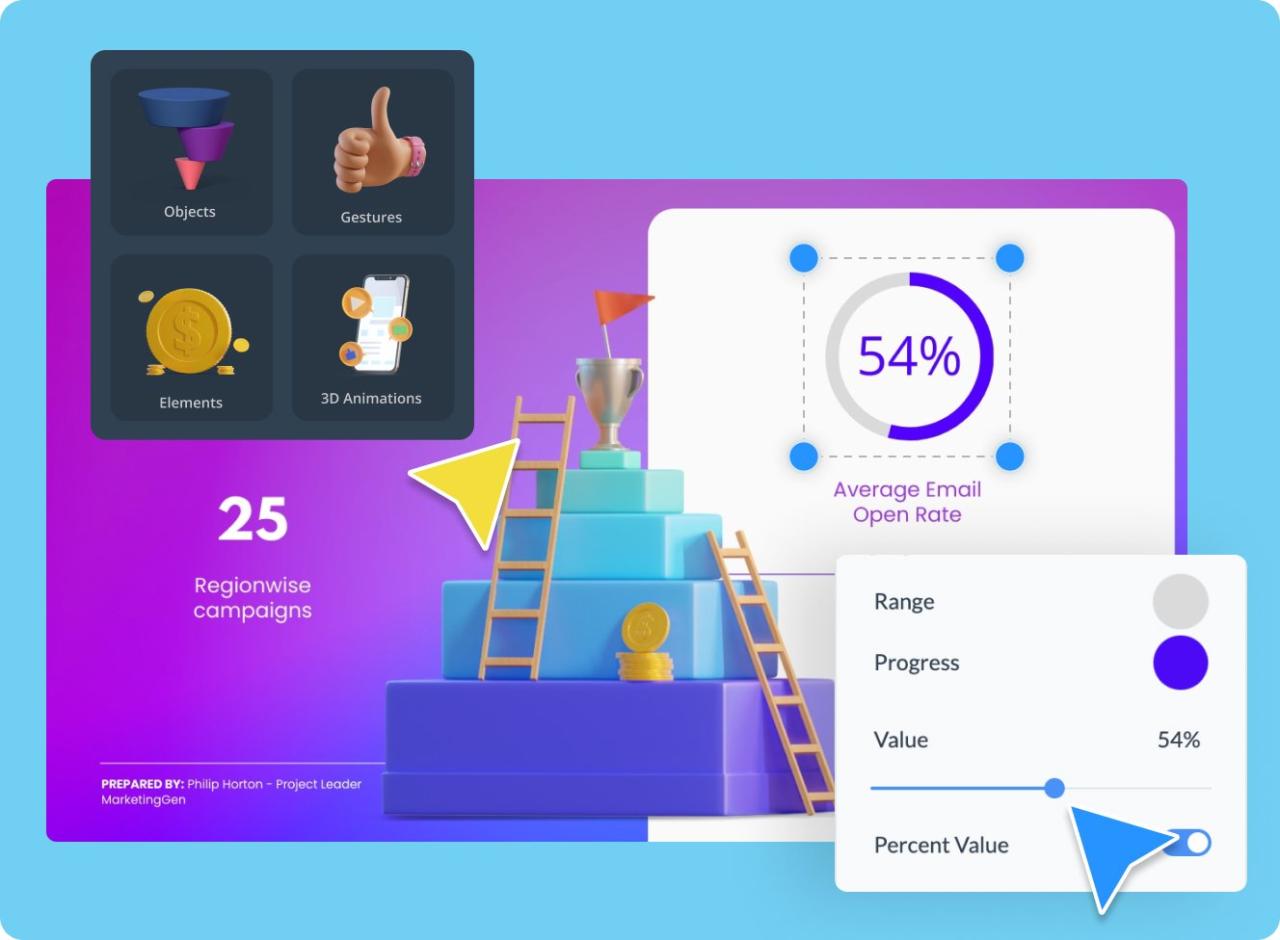
In conclusion, leveraging AI to create pitch decks for funding transforms the traditional presentation process into a smarter, more efficient experience. By combining data-driven insights with creative content and visually appealing designs, entrepreneurs can present their ideas with confidence and clarity. Staying mindful of ethical considerations ensures that AI remains a valuable tool in crafting authentic and compelling stories that attract the funding needed for success.