Creating a compelling product pitch deck is essential for capturing investor interest and conveying your business vision effectively. Leveraging artificial intelligence tools can significantly streamline this process, enabling entrepreneurs and marketers to craft clear, persuasive, and visually appealing presentations with greater efficiency. This guide explores how AI can assist in structuring content, generating impactful language, designing visual elements, and refining your pitch to make a lasting impression.
Understanding the Purpose of a Product Pitch Deck
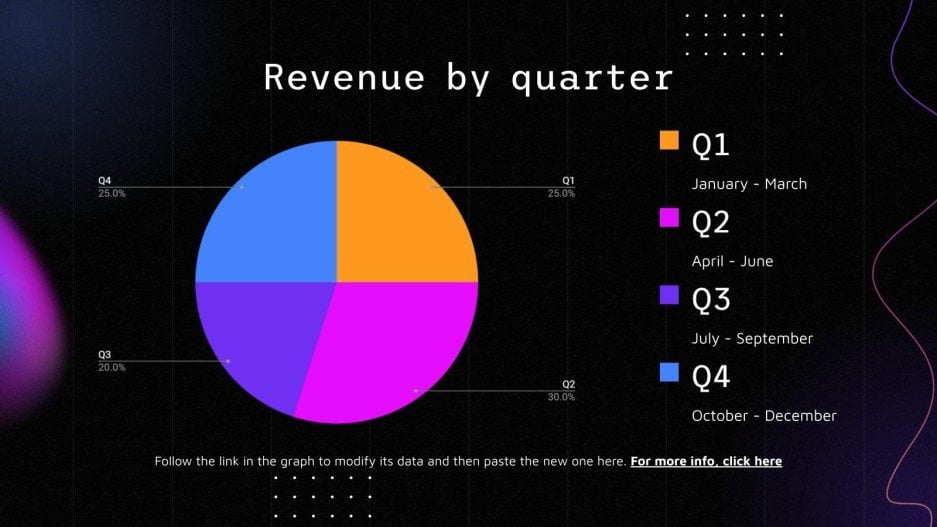
An effective product pitch deck serves as a vital tool in communicating the value proposition, strategic vision, and potential of a product to stakeholders, investors, or partners. Its primary role is to create a compelling narrative that captures attention, builds trust, and motivates action. An impactful pitch deck succinctly conveys the core ideas, differentiators, and market opportunity, making it easier for audiences to understand the product’s significance and potential for success.
Utilizing AI tools can significantly enhance the clarity, focus, and overall quality of pitch content. AI-driven content generation and editing facilitate the organization of complex ideas into coherent, persuasive messages. Additionally, AI can assist in identifying key messaging points, optimizing visual elements, and tailoring content to specific audience preferences, thereby ensuring the pitch deck resonates effectively and leaves a lasting impression.
Significance of an Effective Pitch Deck in Product Presentation
An impactful pitch deck acts as the visual and narrative foundation for presenting a product convincingly. It bridges the gap between technical details and audience understanding, enabling stakeholders to grasp the product’s value quickly. A well-structured presentation builds credibility, highlights competitive advantages, and demonstrates market potential, which are crucial in securing funding or strategic partnerships. Furthermore, an effective pitch deck helps to establish confidence and enthusiasm around the product, fostering a positive perception among decision-makers.
Key Objectives of a Compelling Pitch Deck
Achieving clarity, engagement, and persuasion are the core objectives when crafting a pitch deck. The content should clearly articulate the problem being addressed, the innovative solution offered, and the market opportunity. It must also showcase the team’s expertise, business model, and financial projections. A compelling pitch deck aims to leave the audience with a clear understanding of the product’s value and a sense of confidence in its potential for growth and success.
Ensuring these objectives are met increases the likelihood of securing investment or strategic support.
Enhancement of Pitch Content Through AI Tools
AI tools can elevate the quality of pitch decks by automating content refinement and ensuring consistency in messaging. For instance, natural language processing algorithms can analyze the draft to eliminate redundancies, improve sentence structure, and emphasize key points. AI-driven data visualization tools can generate compelling graphics and charts that effectively communicate market data and financial forecasts. Additionally, AI can assist in customizing content for different audiences, ensuring relevancy and resonance.
Overall, integrating AI enhances the precision, professionalism, and persuasive power of a pitch deck, making it more likely to succeed in competitive environments.
Structuring a Product Pitch Deck Using AI
Creating an effective product pitch deck is essential for capturing investor interest and conveying the value proposition clearly. Leveraging AI tools can significantly streamline the development process by providing data-driven insights, optimizing content organization, and suggesting compelling visuals. Structuring your pitch deck with AI assistance ensures a logical flow, comprehensive coverage of key topics, and adaptability to different audiences.
AI-powered platforms can generate templates tailored to various industries, predict audience preferences, and analyze competitive landscapes, enabling entrepreneurs and marketers to craft persuasive presentations with confidence. In this section, we explore how to utilize AI to develop a well-organized product pitch deck, including designing an ideal sequence of slides and organizing content effectively.
Creating a Comprehensive Template for a Product Pitch Deck with AI Assistance
Developing a standardized yet adaptable template for your pitch deck facilitates consistency and clarity. AI tools can assist in generating such templates by analyzing successful pitch decks across industries and recommending essential slides, content length, and visual elements.
- Identify core sections: Cover slide, problem statement, solution overview, market analysis, business model, competitive landscape, financial projections, team, and closing remarks.
- Leverage AI to customize templates based on industry specifics and target investor preferences.
- Incorporate AI-generated visual aids such as charts, infographics, and icons to enhance engagement.
These templates serve as a foundational framework that can be dynamically tailored, ensuring that all critical aspects of the product are cohesively presented and aligned with best practices established by data-driven insights.
Designing an Ideal Sequence of Slides
A logical and compelling sequence of slides is crucial to guide investors through your narrative seamlessly. AI tools can help determine the optimal order by analyzing successful decks and the flow of information that maximizes engagement.
- Problem: Clearly articulate the pain point or opportunity in the market, supported by data or customer testimonials.
- Solution: Present your product or service as the answer, emphasizing unique features and benefits.
- Market Opportunity: Quantify the target market size, growth potential, and segmentation to demonstrate scalability.
- Business Model: Explain how the product generates revenue and sustains growth.
- Competitive Landscape: Identify key competitors and your differentiators, supported by AI-driven market analysis tools.
- Financials: Showcase projections, funding requirements, and expected ROI with detailed data.
Following this sequence ensures a compelling storytelling arc that addresses investor concerns proactively while highlighting the unique selling points of your product.
Organizing Content within a Clear Format Using HTML Tables
Presenting information in a structured table format enhances clarity and allows rapid comprehension, especially when dealing with complex data such as market figures or financial projections. AI can assist in organizing content into well-formatted tables by analyzing data sources and suggesting optimal layouts.
Effective tables should present data concisely, with headers clearly indicating the content, and cells formatted for easy comparison, such as alignment or color-coding for key metrics.
| Slide Section | Main Focus | Key Content | Visual Elements |
|---|---|---|---|
| Problem | Market Pain Point | Empirical data, customer quotes, problem scope | Infographics, customer journey maps |
| Solution | Product Benefits & Features | Product images, feature list, value proposition | Mockups, feature comparison charts |
| Market | Market Size & Growth | Market segmentation, total addressable market (TAM), growth rate | Pie charts, bar graphs |
| Financials | Revenue & Funding Projections | Projected income statements, cash flows, funding needs | Financial tables, trend lines |
Utilizing AI to populate and format such tables ensures data accuracy, enhances visual appeal, and allows quick updates as new data becomes available, making your pitch deck both professional and persuasive.
Generating Content for Pitch Deck Sections via AI
Creating compelling and persuasive content for each section of a product pitch deck is essential for capturing investor interest and clearly communicating your value proposition. Leveraging AI tools can significantly streamline this process by providing data-driven insights, refining messaging, and ensuring consistency across the deck. AI-driven content generation helps entrepreneurs craft well-structured narratives that resonate with their target audience while emphasizing key differentiators and opportunities.This section explores methods for utilizing AI to generate impactful content tailored to each pitch deck component.
From articulating the problem statement and solution overview to developing detailed market analysis, competitive advantages, and financial projections, AI can assist in creating persuasive language, organizing complex data, and highlighting strategic insights.
Generating Persuasive Language for the Problem Statement and Solution Overview
Effective problem statements identify a significant pain point that warrants attention, while solution overviews demonstrate how your product addresses this issue convincingly. AI can assist in formulating persuasive language by analyzing industry reports, customer feedback, and existing market data to identify the core pain points and craft compelling narratives around them.Use AI to generate concise yet impactful problem statements by inputting key data points such as customer complaints, market gaps, or unmet needs.
For the solution overview, AI can help articulate the unique value proposition, emphasizing how your product uniquely solves the identified problem through clear benefits and innovative features. Incorporate emotionally resonant language and quantifiable benefits to make these sections more persuasive.
Crafting Market Analysis and Competitive Advantage Sections
A thorough market analysis demonstrates the opportunity size, target customer segments, and growth potential, establishing credibility with investors. AI can synthesize data from industry reports, market research databases, and news sources to generate relevant insights. It can also identify emerging trends and quantify market size, providing a solid foundation for your analysis.When detailing competitive advantages, AI can analyze competitors’ strengths and weaknesses, highlighting your differentiators with data-supported insights.
It can create comparative tables or visualizations that clearly showcase how your product outperforms existing solutions, whether through technology, pricing, customer experience, or other factors. This not only strengthens your positioning but also communicates your strategic edge convincingly.
Organizing Financial Projections and Business Model Summaries
Financial forecasts and business models are central to convincing investors of your venture’s viability. AI tools can assist in organizing and presenting these complex datasets coherently. By inputting key assumptions and historical data, AI can generate projected income statements, cash flow analyses, and break-even points.For business model summaries, AI can help distill critical components such as revenue streams, cost structures, customer acquisition channels, and key partnerships into clear, digestible formats.
Using AI to organize these sections ensures consistency, highlights financial sustainability, and makes complex financial data more accessible to both technical and non-technical audiences. Additionally, AI can suggest realistic assumptions based on industry benchmarks, enhancing credibility in your financial storytelling.
Utilizing AI for Visual Elements and Data Presentation
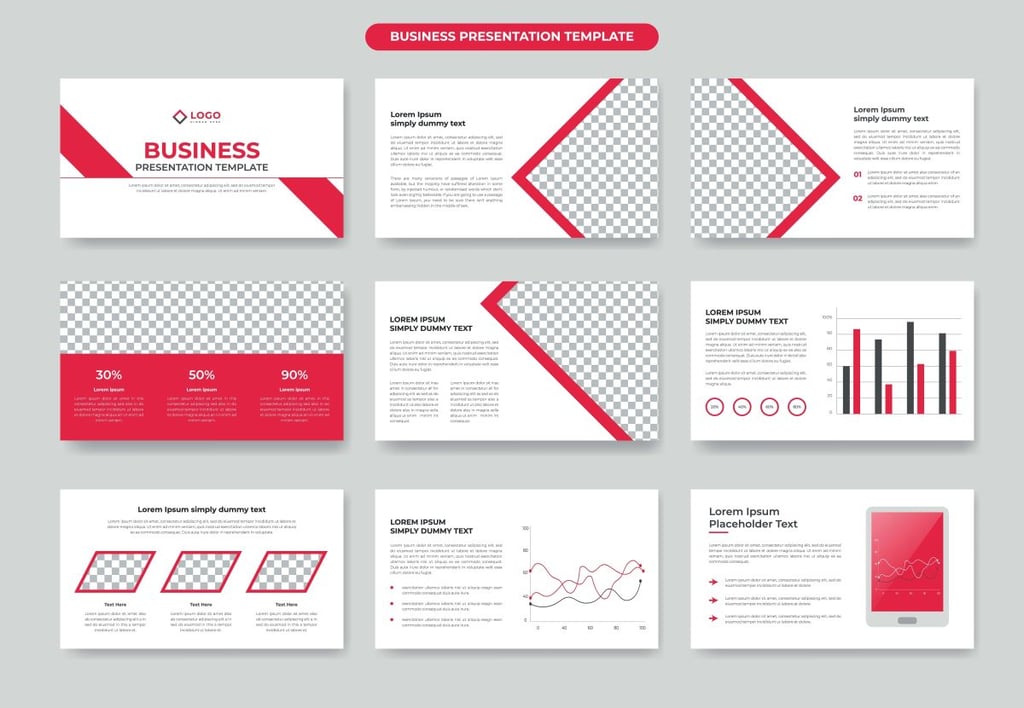
Creating compelling visual elements and effectively presenting data are vital components of an impactful product pitch deck. AI tools have revolutionized this aspect by enabling the generation of sophisticated visuals, infographics, and data representations with minimal effort. Leveraging AI enhances clarity, engagement, and professionalism within your presentation, allowing you to communicate complex information seamlessly to your audience.AI-driven solutions facilitate the creation of detailed visualizations by interpreting raw data and transforming it into visually appealing graphics.
These tools can generate infographics that combine icons, charts, and descriptive text to illustrate key points, such as market trends or product features. They often include customizable templates that adapt to your branding and messaging, ensuring consistency across your deck.Designing slide layouts with visual hierarchy and emphasis is another area where AI excels. By analyzing the content, AI can recommend optimal arrangements that guide viewers’ attention to the most critical information.
For example, it can suggest the placement of header text, image sizes, or color schemes to highlight key metrics or unique selling propositions, making your slides both aesthetically pleasing and easy to understand.Formatting data into clear, comparative formats using HTML tables enables viewers to quickly grasp complex metrics and relationships. AI tools can assist in generating well-structured tables that enhance readability.
For instance, when comparing product features, pricing models, or performance metrics, AI can automatically organize data into orderly rows and columns, applying consistent styling such as borders, shading, and font sizes for clarity.
Refining and Customizing the Pitch Deck with AI Feedback

Crafting an effective pitch deck requires not only initial content creation but also iterative refinement to ensure clarity, impact, and relevance. Leveraging AI tools for feedback allows entrepreneurs and teams to systematically enhance their presentations, tailor them to diverse audiences, and incorporate compelling examples and case studies that resonate with viewers. This process ensures the pitch deck communicates the value proposition convincingly and adapts seamlessly across different sectors and stakeholder groups.AI-assisted editing serves as a powerful method to improve language clarity, eliminate ambiguity, and boost overall presentation impact.
Automated grammar and style suggestions help refine phrasing, tone, and conciseness, ensuring the message remains professional yet engaging. By analyzing the deck’s structure and wording, AI can identify areas where language may be too technical or vague for a particular audience, prompting targeted revisions that enhance understanding and persuasiveness.Adapting a pitch deck for various audiences and sectors involves using AI to generate tailored recommendations.
The AI can assess audience profiles—such as investors, potential partners, or industry-specific stakeholders—and suggest modifications in language, emphasis areas, and visual emphasis accordingly. This process may include adjusting technical jargon, highlighting sector-specific benefits, or emphasizing metrics that align with audience priorities. AI-driven suggestions streamline the customization process, ensuring the deck resonates deeply with each target group.Incorporating illustrative examples and detailed case studies is essential for demonstrating real-world relevance and credibility.
AI tools can assist in sourcing relevant case studies aligned with the sector or problem the pitch addresses. They can generate detailed descriptions, including background context, challenges faced, solutions implemented, and measurable outcomes. For example, if pitching a SaaS platform to the healthcare industry, AI can suggest case studies illustrating successful implementations in hospital management, complete with data on efficiency improvements and patient care enhancements.
Embedding such examples with vivid descriptions enriches the narrative and facilitates better stakeholder understanding and engagement.
Best Practices and Tips for AI-Enhanced Pitch Decks
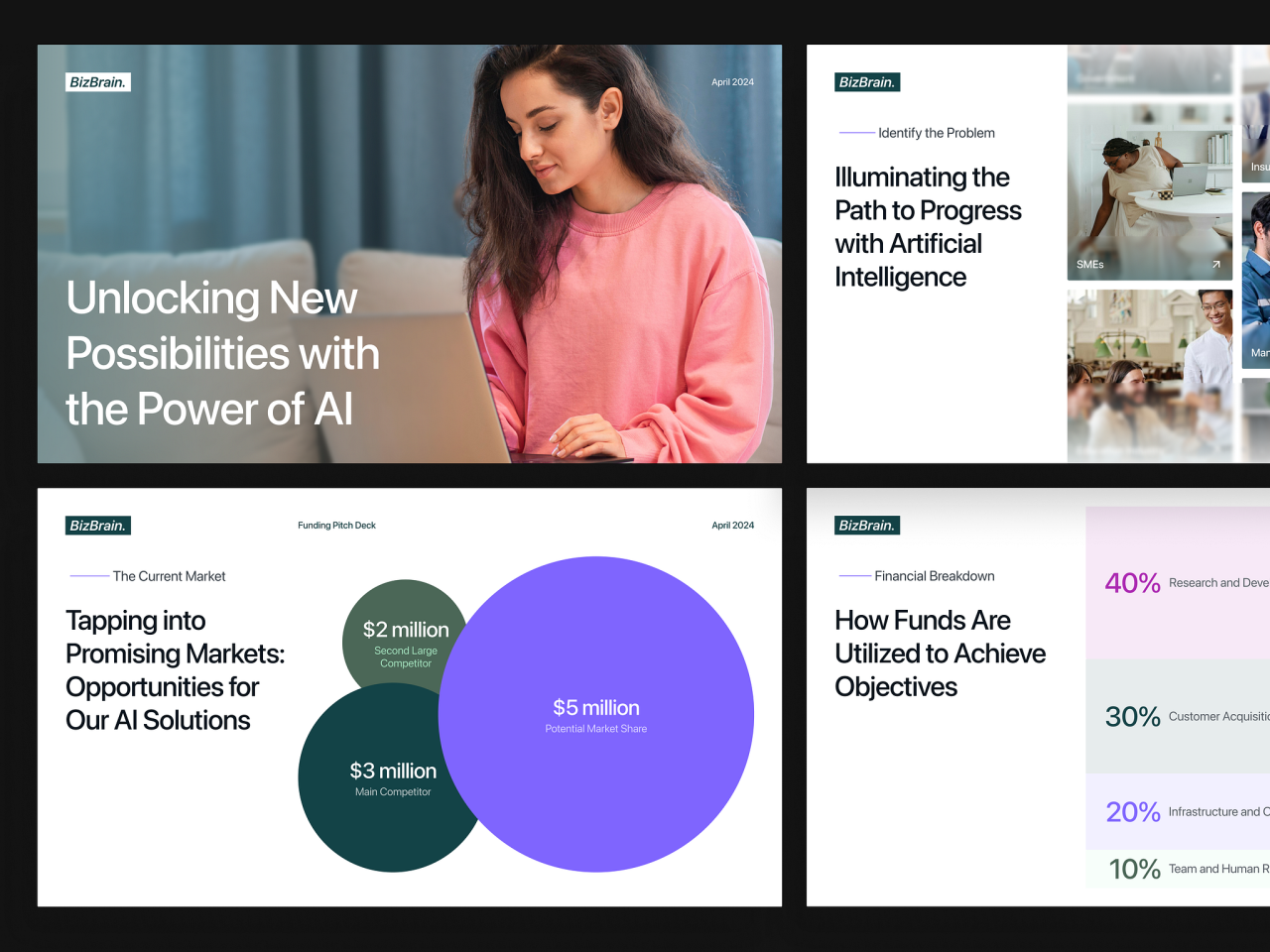
Creating an effective product pitch deck with the assistance of AI involves more than just leveraging technology; it requires strategic implementation to ensure the content remains authentic, persuasive, and visually compelling. This section offers practical advice and proven techniques to maximize the benefits of AI tools while maintaining the integrity and impact of your pitch deck.
Applying best practices ensures that AI-generated content and visuals seamlessly align with your overall narrative, resonate with your target audience, and effectively communicate your value proposition. These guidelines help in balancing automation with human oversight, ultimately leading to a polished, credible, and compelling presentation that stands out in competitive environments.
Ensuring Authenticity and a Persuasive Tone in AI-Generated Content
Maintaining authenticity and persuasive effectiveness when using AI-generated content requires careful oversight and strategic input. AI tools can produce high-quality drafts, but human refinement is essential to preserve your brand voice and ensure emotional resonance. Incorporating your unique insights, industry-specific language, and authentic storytelling elements into the AI prompts results in more genuine outputs.
To enhance persuasiveness, focus on emphasizing your value proposition, clearly articulating customer benefits, and including compelling calls to action. Review the AI-generated text critically to eliminate generic or impersonal language, replacing it with specific examples, testimonials, or data points that substantiate your claims. This approach not only boosts credibility but also helps forge an emotional connection with your audience.
“Authentic content that resonates emotionally has a higher likelihood of persuading investors and stakeholders.”
Integrating AI-Generated Visuals Seamlessly into the Slide Structure
Visual elements play a crucial role in reinforcing your message and making complex data more digestible. When incorporating AI-generated visuals, it is important to ensure they align cohesively with your narrative and slide layout. AI tools can produce charts, infographics, or imagery based on your data inputs, but these should be customized to match your brand style and presentation flow.
Optimally, visuals should be placed strategically to support key points without cluttering the slide. Use consistent color schemes, typography, and iconography that complement your overall design. When inserting AI-created visuals, verify the accuracy of data representations and ensure clarity at various display sizes. Adjust visual elements to maintain harmony with accompanying text, avoiding abrupt stylistic changes that could distract or confuse your audience.
High-quality visuals integrated seamlessly contribute to a professional appearance and help your audience grasp complex concepts quickly, increasing engagement and retention.
Review Checklists for Coherence and Effectiveness of the Final Pitch Deck
Before finalizing your AI-enhanced pitch deck, it is essential to conduct thorough reviews to assess coherence, clarity, and impact. A comprehensive checklist can streamline this process, ensuring no critical aspects are overlooked. The review should focus on content consistency, logical flow, visual harmony, and overall persuasiveness.
Use the following guidelines to evaluate your pitch deck:
- Verify that each slide aligns with the core message and supports the overall narrative.
- Ensure all AI-generated content has been reviewed and refined for authenticity and tone.
- Check that visuals are relevant, accurately represent data, and are visually consistent across slides.
- Assess the clarity and readability of text, including font sizes, color contrasts, and concise messaging.
- Confirm that data and statistics are up-to-date, accurate, and properly sourced.
- Evaluate the logical progression of ideas, ensuring a smooth transition between sections.
- Solicit feedback from colleagues or mentors to identify potential gaps or confusing elements.
- Test the presentation in various formats and devices to ensure visual fidelity and functionality.
Implementing these best practices and systematic review steps will significantly enhance the effectiveness of your AI-assisted pitch deck, resulting in a professional, persuasive, and memorable presentation that resonates with your audience.
Closure
In conclusion, utilizing AI in developing product pitch decks not only enhances the quality and coherence of your presentation but also saves valuable time and resources. By following best practices and customizing content with AI assistance, you can deliver powerful pitches tailored to diverse audiences and sectors, ultimately increasing your chances of success in competitive markets.