Discover how to enhance animations for slides with AI to transform your presentations into dynamic and engaging experiences. Leveraging artificial intelligence enables seamless creation, customization, and interactivity, making your slides more captivating and effective in conveying your message.
This guide explores innovative AI techniques, automation tools, and best practices that elevate slide animations, providing practical insights to optimize visual appeal and audience engagement in your presentations.
Overview of Enhancing Animations for Slides with AI
The integration of artificial intelligence (AI) into slide animation processes marks a significant advancement in presentation design. AI-driven tools are transforming traditional methods by offering intelligent automation, personalized effects, and dynamic visual enhancements. This progression not only accelerates the creative workflow but also elevates the overall quality of slides, making them more engaging and visually compelling.
By leveraging AI, presenters and designers can achieve more interactive and captivating presentations with less effort. The benefits include automatic suggestion of animation styles tailored to content context, real-time adjustments based on audience feedback, and seamless integration of multimedia elements. These features empower users to craft professional, polished slides that effectively communicate their message while maintaining viewer interest.
Key Features and Tools for AI-Based Animation Enhancements
Various AI-powered tools have emerged to streamline and enhance the animation process for slides. Below is a comparative overview of some prominent options, highlighting their main features, compatibility with popular presentation platforms, and user experience considerations.
| Tool Name | Main Features | Compatibility | User Experience |
|---|---|---|---|
| Beautiful.ai | AI-driven design suggestions, automated layout adjustments, dynamic animation options | Web-based, integrates with PowerPoint and Google Slides via export | Intuitive interface with smart suggestions, suitable for users at all skill levels |
| Designs.ai | Automated slide creation, AI-powered animation effects, customizable templates | Web platform compatible across devices, exports to PowerPoint and PDF | User-friendly with guided workflows, ideal for quick, professional presentations |
| BeautifulSlides AI | Smart animation recommendations, content-aware effects, real-time editing | Standalone application compatible with PowerPoint and Google Slides | Provides visual previews and easy editing, suitable for intermediate to advanced users |
| Canva with AI Features | AI-generated animations, drag-and-drop interface, extensive media library | Web-based, integrates with various platforms including presentations and social media | Highly accessible with minimal learning curve, ideal for beginners and professionals alike |
AI Techniques for Creating Dynamic Animations
Integrating artificial intelligence into slide animations offers the opportunity to craft compelling, fluid, and context-aware motion effects that elevate presentation quality. By leveraging advanced machine learning algorithms and AI-driven tools, creators can produce animations that are not only visually appealing but also tailored to audience engagement and content nuances. Understanding these techniques enables presenters and designers to harness AI’s full potential for impactful visual storytelling.
These AI techniques encompass generating natural motion effects, customizing aesthetic styles through transfer learning, and dynamically adapting animations based on content and engagement data. Employing these methods ensures animations are more lifelike, personalized, and responsive, thereby enhancing the overall effectiveness of presentations.
Machine Learning Algorithms for Natural Motion Effects
Machine learning algorithms, particularly those based on deep neural networks, can analyze vast datasets of motion patterns to generate smooth, realistic animation effects. These algorithms learn common movement trajectories, easing functions, and timing sequences from real-world data, such as videos of human gestures or mechanical motions, to replicate or enhance such effects within slide animations. For example, Generative Adversarial Networks (GANs) can produce dynamic motion sequences that appear fluid and natural, reducing the mechanical feel often associated with traditional animations.
Implementing these algorithms involves training models on motion datasets relevant to the presentation content, then integrating them into animation workflows through APIs or dedicated AI tools. This approach ensures animations are not only polished but also adapt seamlessly to various visual elements, creating a more engaging viewer experience.
Applying AI-Driven Style Transfer for Custom Animation Aesthetics
AI-driven style transfer techniques enable customization of animation aesthetics by applying the visual style of one image or video to the animation content. This process leverages deep neural networks to blend stylistic features—such as color palettes, brush strokes, or artistic effects—with motion sequences. For slide animations, this means you can transform standard effects into stylized visuals aligned with branding or thematic themes, such as turning a simple transition into a watercolor or sketch style.
To implement style transfer, users typically utilize pre-trained neural network models that accept content and style inputs. The procedure involves selecting a base animation or transition, choosing a style reference (for example, an artwork or color scheme), and applying the transfer process. This creates a cohesive and visually distinctive aesthetic that enhances brand identity or thematic consistency across presentations.
Adaptive Animations Based on Content and Engagement Metrics
AI can dynamically modify animations based on the specific content and real-time audience engagement metrics. For example, machine learning models can analyze audience reactions—such as attention levels, facial expressions, or interaction patterns—to adapt the pacing, complexity, or style of animations during a presentation. This responsiveness ensures that animations remain relevant and effective, maintaining viewer interest and emphasizing key points.
The process involves collecting engagement data via sensors, cameras, or interaction analytics, then feeding this information into predictive models that determine optimal animation adjustments. For instance, if engagement drops, the AI might introduce more dynamic or vivid animations to recapture attention or simplify animations for clarity. This adaptive approach personalizes the presentation experience, making it more interactive and impactful.
| AI Technique | Purpose | Implementation Steps |
|---|---|---|
| Motion Pattern Learning | Generate smooth, natural motion effects based on real-world data |
|
| Style Transfer | Customize animation aesthetics to match visual branding or themes |
|
| Audience Engagement-Based Adaptation | Modify animations dynamically based on viewer reactions |
|
Note: The integration of AI techniques requires careful calibration to ensure animations enhance clarity and engagement without overwhelming or distracting the audience. Proper validation and testing are essential to achieve optimal results.
Automating Animation Design with AI Tools
Leveraging AI-driven tools to automate the creation of animations can significantly streamline the presentation development process. These platforms enable users to transform static content into engaging animated sequences with minimal manual effort, ensuring consistency, efficiency, and a professional appearance. Understanding how to effectively utilize these tools is essential for modern presentation design, especially when aiming to produce dynamic content at scale.
By integrating AI-powered animation platforms into your workflow, you can accelerate design cycles, maintain branding consistency, and focus more on content quality rather than intricate animation details. This segment explores the step-by-step processes involved in harnessing AI for animation generation, customization techniques aligned with branding, integration methods for existing workflows, and practical examples of leading AI tools facilitating automation.
Step-by-step Processes for Using AI-powered Platforms to Generate Animations
Implementing AI tools for animation begins with a clear understanding of the static content that requires enhancement. The following process provides a structured approach:
- Content Preparation: Organize your static slides, images, or text content, ensuring clarity and appropriate formatting. Many AI tools accept common formats like PowerPoint, PDF, or simple image files.
- Platform Selection and Upload: Choose an AI animation platform suitable for your needs, then upload your prepared content. Most platforms feature user-friendly interfaces that facilitate easy upload and initial setup.
- Template and Style Selection: Select from predefined animation templates or styles that match your presentation theme. Some AI tools offer intelligent suggestions based on your content type.
- Automatic Animation Generation: Initiate the AI process to analyze your content and generate animations automatically. The AI interprets static elements, applying motion sequences, transitions, and effects accordingly.
- Review and Refinement: Review the generated animations, making adjustments as needed. Many tools allow you to tweak timing, motion paths, or visual emphasis through simple controls.
- Export and Integration: Finalize the animated slides and export them in compatible formats for your presentation platform.
Customizing AI-Generated Animations to Match Themes and Branding
While AI tools generate animations efficiently, customizing these outputs ensures they align perfectly with your presentation’s visual identity. Customization involves adjusting parameters to reflect brand colors, fonts, and stylistic preferences.
Key customization procedures include:
- Color Schemes: Modify animations to incorporate your brand palette, ensuring visual consistency across slides.
- Typography: Adjust text animations to match your chosen fonts and styles, maintaining readability and brand coherence.
- Transition Effects: Select or fine-tune transition types and durations to align with your presentation tone, whether formal or dynamic.
- Animation Intensity: Control the speed and motion intensity to ensure animations support the message without causing distraction.
- Brand Elements Integration: Incorporate logos, watermarks, or other brand symbols within animations to reinforce branding.
Most AI platforms provide customization panels or style editors that facilitate these adjustments with intuitive controls, enabling non-expert users to achieve professional results.
Procedures for Efficiently Integrating AI Tools into Existing Workflow
Seamless integration of AI animation tools into current slide creation processes enhances productivity and maintains consistency. The following procedures support efficient adoption:
- Workflow Assessment: Map your current process to identify points where AI automation can add value, such as initial animation design or rapid prototyping.
- Tool Selection Based on Compatibility: Choose AI platforms with integrations or plugins for prevalent presentation software like PowerPoint, Google Slides, or Keynote.
- Training and Onboarding: Provide team training on AI tool functionalities to maximize utilization and minimize learning curves.
- Template Standardization: Develop standardized templates or styles within AI tools to ensure branding consistency across multiple presentations.
- Version Control and Collaboration: Implement version control practices and collaborative workflows within the AI platform to facilitate team editing and feedback.
- Automation of Repetitive Tasks: Automate routine animations across multiple slides or presentations by creating reusable settings or scripts within the AI tools.
This approach minimizes disruptions, optimizes resource use, and ensures that animated content remains aligned with overall branding and messaging strategies.
Examples of AI Tools Facilitating Automation
Several advanced AI platforms are available to assist with automated animation generation, each offering unique features and integration capabilities:
- Beautiful.ai: An intelligent presentation platform that automates layout and animation styling based on content inputs. It integrates seamlessly with PowerPoint and Google Slides, providing templates that adapt dynamically.
- Visme: Offers AI-driven animation suggestions and customizable templates for creating engaging visual content. It supports exporting to various formats suitable for different presentation environments.
- Designs.ai Videomaker: Utilizes AI to automatically generate animated videos from static scripts or content, with branding customization options. It supports direct sharing and embedding.
- Synthesia: An AI video creation platform that generates animated avatars and narrated sequences from text inputs, ideal for explainer videos embedded within slides. It offers integration APIs for workflow automation.
- Renderforest: Provides AI-powered animation templates that can be customized and integrated into existing slides, with options for branding and style adjustments to ensure consistency.
These tools exemplify how automation can reduce time and effort in animation design, while offering flexibility to tailor outputs to specific presentation needs and branding standards.
Enhancing Interactivity with AI-Driven Animations
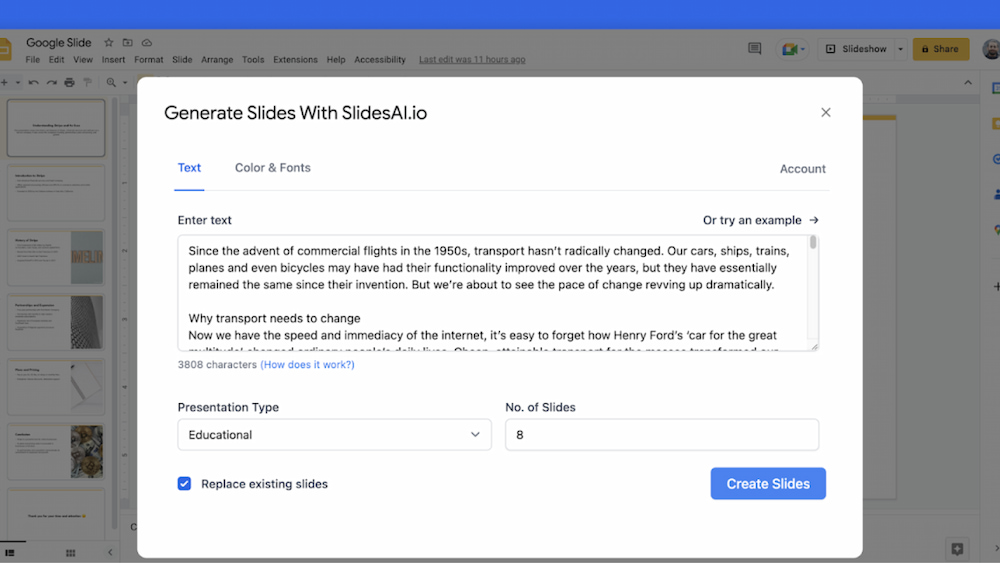
Integrating interactivity into presentation slides significantly boosts audience engagement and comprehension. With the advent of AI, creators can now develop animations that respond dynamically to user inputs, real-time data, and audience feedback. This approach transforms static slides into lively, adaptive experiences that can adjust on the fly, making your presentations more compelling and memorable.
AI-driven animations facilitate a two-way interaction between the presenter and the audience, fostering a more immersive environment. By leveraging advanced algorithms and machine learning models, designers can craft animations that not only respond to immediate actions but also adapt over time based on audience reactions. This results in a more personalized and engaging presentation narrative, emphasizing relevance and audience participation.
Designing Animations that Respond to User Input and Real-Time Data
Creating animations that dynamically respond to user input or real-time data requires integrating AI models that interpret these inputs effectively. For example, using speech recognition, facial expression analysis, or live feedback mechanisms, animations can change in response to audience reactions, such as smiles, confusion, or applause. This approach involves several key steps:
- Embedding AI-powered input recognition tools within the presentation platform, such as natural language processing (NLP) for voice commands or computer vision for facial expressions.
- Designing flexible animation scripts that can adapt based on input parameters, allowing for seamless transitions or modifications triggered by user actions.
- Implementing real-time data streams, such as live polling or sensor data, which influence animation elements like colors, sizes, or movement patterns.
For example, an AI can detect when the audience appears distracted and trigger animations that re-engage attention, such as interactive quizzes or visual effects that respond to their engagement levels. This immediacy creates a more interactive and compelling presentation experience.
Creating Adaptive Animations Based on Audience Feedback
Adaptive animations serve to tailor the presentation dynamically according to audience feedback, making the content more relevant and engaging. These can be achieved through AI algorithms that analyze feedback signals, such as verbal responses, facial expressions, or engagement metrics, and adjust animations accordingly:
“AI models can interpret emotional cues and engagement indicators, enabling the presentation to modify visual elements in real-time, fostering a sense of responsiveness and personalization.”
Techniques for developing such adaptive animations include:
| Method | Description |
|---|---|
| Emotion Analysis | Utilize computer vision and NLP to gauge audience emotions through facial expressions or speech tone, adjusting animations to match or influence mood. |
| Engagement Metrics | Track participation levels via click rates, polling responses, or gaze tracking, and modify slide elements or pacing based on these insights. |
| Feedback Loops | Create ongoing cycles where audience reactions feed into AI models that determine subsequent animation behaviors, ensuring continuous interactivity. |
Implementing these techniques results in presentations that evolve in real-time, maintaining audience interest and fostering active participation. For example, if a quiz question indicates confusion, the animation can shift to simplified visuals or additional explanations, enhancing understanding.
Best Practices for Using AI to Improve Slide Animations
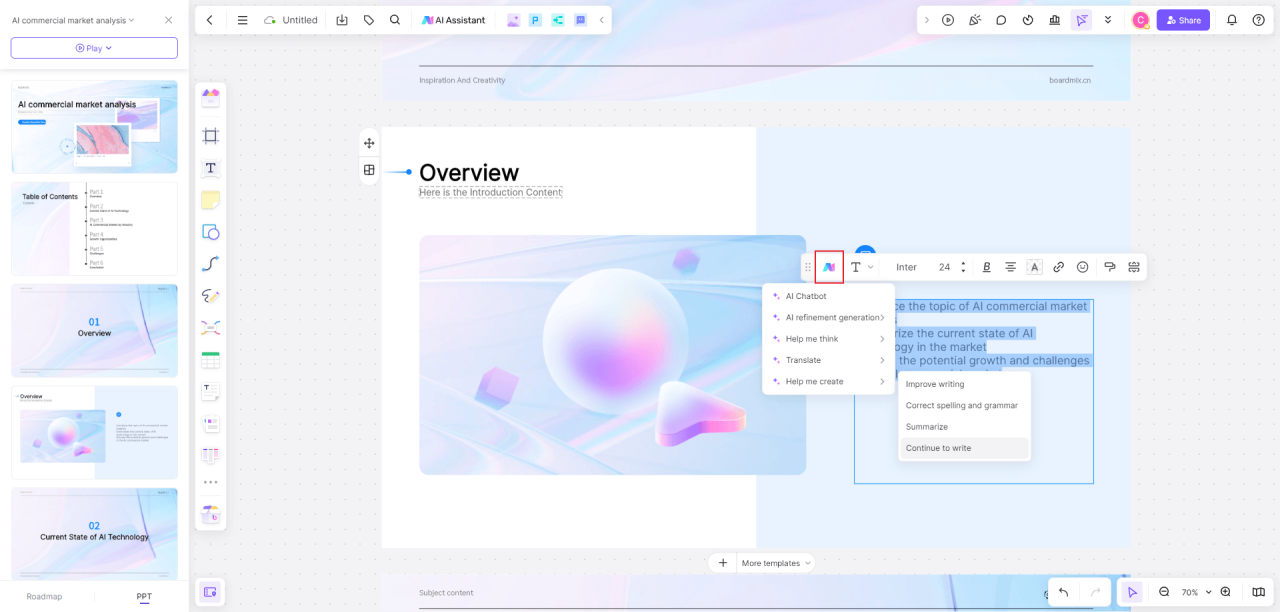
Ensuring the effective use of AI in enhancing slide animations involves strategic decision-making and thoughtful execution. While AI tools offer automation and creative possibilities, it is crucial to adopt best practices that align with presentation objectives, maintain visual consistency, and provide a polished viewer experience. These practices help optimize the impact of animations, making presentations more engaging and professional.Implementing AI-driven animation enhancements requires a balanced approach that leverages automation’s efficiency while preserving manual control for customization.
By understanding how to select the appropriate AI tools, refine outputs, and maintain visual harmony, presenters can craft compelling narratives that resonate with audiences. Additionally, rigorous testing and iterative refinement ensure seamless delivery, preventing technical glitches or visual inconsistencies that could detract from the message.
Selectting Appropriate AI Tools Based on Presentation Goals and Content Types
Choosing the right AI tools depends on a clear understanding of the presentation’s purpose and the nature of the content being displayed. For instance, dynamic motion graphics may be suitable for marketing pitches aiming to energize viewers, whereas subtle, professional animations suit corporate or academic settings. AI tools such as motion design platforms, style transfer algorithms, and automated transition generators each serve different aims and content formats.Evaluation criteria for selecting AI tools include compatibility with existing presentation software, customization capabilities, ease of use, and the quality of generated animations.
Content complexity is a key factor; simple bullet points may benefit from AI-powered fade-ins or slide transitions, while complex data visualizations might require advanced animation algorithms to emphasize specific elements or relationships. Conducting pilot tests with different tools can facilitate informed decision-making, ensuring animations enhance rather than distract from the core message.
Balancing AI Automation with Manual Customization for Optimal Results
While AI automates many aspects of animation design, manual customization remains essential for achieving a unique and tailored presentation style. Fully automated animations can sometimes produce generic or overly flashy effects that may not align with branding or audience expectations. Conversely, manual adjustments allow presenters to fine-tune timing, pacing, and visual hierarchy, ensuring animations complement the overall narrative.A strategic approach involves using AI to generate initial animation ideas or templates, followed by manual refinement.
For example, an AI tool might automatically animate slide elements, after which the presenter adjusts durations, easing effects, or sequencing to better fit the story arc. This hybrid process balances efficiency with creative control, resulting in animations that are both captivating and aligned with presentation objectives. Regular review sessions during design development help maintain this balance, ensuring consistency and appeal.
Procedures for Testing and Refining AI-Enhanced Animations for Seamless Delivery
Thorough testing of AI-enhanced animations is vital to identify and rectify issues before the final presentation. This process involves reviewing the animations on different devices, screen resolutions, and lighting conditions to ensure they perform smoothly and appear consistent. It also includes timing reviews to synchronize animations with accompanying narration or transitions, preventing delays or abrupt movements.Refinement procedures include adjusting animation durations, easing functions, and trigger points for interactivity.
User feedback from colleagues or trial audiences can reveal potential improvements, such as excessive motion or distracting effects. Utilizing presentation software’s preview modes helps simulate the delivery environment, allowing for adjustments to optimize flow and pacing. Iterative testing and refinement cultivate a polished, professional presentation experience free of technical glitches or visual inconsistencies.
Recommendations for Maintaining Consistency and Visual Appeal with AI-Enhanced Animations
Consistency and visual harmony are essential for a cohesive presentation. When employing AI to enhance animations, adherence to design principles ensures that the visual appeal remains high and the viewer’s focus is directed appropriately.
- Establish a unified style guide that specifies color schemes, animation speeds, and transition types, and ensure AI outputs conform to these standards.
- Use templates or preset styles within AI tools to maintain uniformity across slides and sections.
- Limit the number of different animation styles used within a presentation to avoid visual clutter and confusion.
- Maintain appropriate contrast and spacing to ensure animated elements are easily distinguishable and do not overwhelm the content.
- Apply subtlety to animations, especially in professional settings, to keep the focus on the message rather than the effects.
- Regularly review animated slides in sequence to verify that transitions are smooth and cohesive, making adjustments where necessary.
- Balance motion with static elements to avoid fatigue, ensuring animations serve to emphasize key points rather than distract.
By adhering to these best practices, presenters can harness AI’s potential to craft engaging, consistent, and visually appealing slide animations that elevate the overall effectiveness of their presentations.
Case Studies and Examples of AI-Enhanced Animations
Real-world implementations of AI-powered animation techniques offer valuable insights into their practical benefits and challenges. Analyzing these case studies provides a clearer understanding of how AI can transform slide presentations, making them more engaging, dynamic, and impactful. This section explores detailed examples where AI-driven animation solutions have been successfully integrated into various contexts, highlighting the tools used, techniques applied, and the outcomes achieved.
By examining diverse applications across sectors such as corporate training, marketing, education, and product launches, we can identify common strategies and innovative approaches. These case studies serve as practical references for professionals seeking to leverage AI for creating compelling animations, solving typical animation challenges, and advancing overall presentation quality.
Detailed Case Study Descriptions
| Case Study | Tools Used | Techniques Applied | Outcomes Achieved |
|---|---|---|---|
| Corporate Training Module Enhancement | Vyond with AI-Generated Script Assistance, Adobe After Effects with AI Plugins | Automated scene generation, AI-driven character movements, synchronized voice-over animations | Reduced production time by 40%, increased engagement scores, and improved learner retention rates |
| Marketing Presentation for a Tech Startup | Beautiful.ai, Synthesia AI Video Generator | Dynamic, customizable animated infographics, AI-generated virtual spokesperson delivering key messages | Enhanced viewer engagement, higher conversion rates, and positive client feedback on presentation professionalism |
| Educational Course on Climate Change | Canva with AI-powered animation suggestions, Lumen5 for video animations | Interactive animated diagrams, AI-suggested transitions, and real-time editing enhancements | Increased course completion rates and user satisfaction, more interactive learning experiences |
| Product Launch Webinar | Powtoon with AI-assisted storyboard creation, Animaker AI tools | Automated scene sequencing, AI-enhanced motion effects, and personalized animation suggestions | Streamlined preparation process, higher audience retention, and positive post-event feedback |
These case studies demonstrate how AI tools and techniques can effectively address common animation challenges, such as time-consuming manual creation, maintaining viewer engagement, and ensuring visual consistency. They reveal that incorporating AI can lead to significant improvements in productivity, creativity, and overall presentation quality.
“AI-driven animation solutions enable creators to focus more on strategic storytelling rather than technical execution, leading to more compelling and memorable presentations.” — Industry Expert Insights
Insights gained from these real-world applications highlight the importance of selecting appropriate AI tools tailored to specific needs, understanding the capabilities and limitations of automation, and maintaining a focus on audience engagement. Successful implementation often involves iterative testing, creative experimentation, and continuous learning to maximize the potential of AI-enhanced animations.
Closing Notes
In summary, integrating AI into slide animations offers unparalleled opportunities to create visually impressive and interactive presentations. By selecting the right tools and applying proven techniques, you can significantly enhance your audience’s experience and achieve impactful communication. Embrace these advancements to stay ahead in presentation design.