Learning how to create pitch decks with AI opens up new horizons for developing compelling and professional presentations efficiently. Leveraging advanced AI tools can significantly enhance the quality and impact of your pitch decks by automating content creation, visual design, and data integration.
This comprehensive guide explores the essential steps—from selecting the right AI-powered software to customizing your slides—ensuring you craft persuasive and visually appealing presentations that resonate with your audience and elevate your pitching process.
Overview of Creating Pitch Decks with AI
The integration of artificial intelligence (AI) into pitch deck development marks a significant advancement in how entrepreneurs and business professionals craft compelling presentations. Leveraging AI tools streamlines the process, enhances creativity, and ensures data-driven insights are incorporated seamlessly. This overview explores the process of embedding AI into the workflow, highlights its advantages, and details the typical progression from initial concept to a polished pitch deck.
AI-powered platforms and software have transformed traditional presentation creation by offering intelligent assistance at each stage. From content generation to visual design and data visualization, AI simplifies complex tasks, allowing users to focus on strategic messaging. Understanding the process and benefits of using AI is essential for developing impactful presentations that resonate with investors and stakeholders.
Integrating AI Tools into Pitch Deck Development
Integrating AI into pitch deck creation involves selecting appropriate tools that cater to various aspects of presentation development. These tools utilize natural language processing (NLP), machine learning algorithms, and data analytics to automate and enhance different components of the pitch deck.
Key integration steps include:
- Content Generation: AI-driven writing assistants help craft compelling narratives, executive summaries, and key messages. These tools analyze market data, competitor insights, and industry trends to produce relevant content that aligns with the pitch’s objectives.
- Design Optimization: Visual AI tools suggest layout improvements, color schemes, and imagery based on presentation best practices and target audience preferences. They ensure that the deck is visually appealing and professional.
- Data Visualization: AI-powered analytics tools automatically generate charts, graphs, and infographics from raw data, making complex information more understandable and engaging.
- Feedback and Refinement: AI systems can review draft slides, providing suggestions for clarity, conciseness, and impact, thereby enhancing the overall quality of the presentation.
Advantages of Using AI for Crafting Presentations
Employing AI in the development of pitch decks offers numerous benefits that elevate the quality and efficiency of the process. These advantages include:
“AI accelerates the creation timeline, reduces manual effort, and enhances the quality of presentations through data-driven insights and design consistency.”
- Time Efficiency: Automated content creation, design suggestions, and data visualization significantly reduce the time required to develop a comprehensive pitch deck.
- Consistency and Professionalism: AI tools ensure that formatting, branding, and visual elements follow best practices, resulting in cohesive and polished presentations.
- Data-Driven Insights: AI’s ability to analyze large datasets allows for the inclusion of relevant, accurate, and impactful data points that strengthen the pitch.
- Customization and Personalization: AI can tailor content and visuals to specific industries, investor profiles, or presentation contexts, increasing engagement.
- Enhanced Creativity: By handling routine tasks, AI frees up human creativity, enabling the development of innovative narratives and visual stories.
Typical Workflow from Concept to Finished Pitch Deck Using AI
The process of developing a pitch deck with AI follows a structured workflow designed to maximize efficiency and quality. This workflow encompasses several stages, each leveraging AI capabilities to streamline progress.
- Idea and Content Planning: Define the core message, target audience, and key points. AI tools assist in researching relevant industry data, competitors, and market trends to inform the content strategy.
- Drafting and Content Creation: Use AI writing assistants to generate initial drafts of executive summaries, problem statements, solutions, and business models, ensuring clarity and engagement.
- Visual Design and Layout: AI-driven design platforms recommend slide layouts, color schemes, and visual elements that align with branding and audience preferences.
- Data Integration and Visualization: Input raw data into AI analytics tools that automatically create insightful charts, graphs, and infographics, enhancing data storytelling.
- Review and Refinement: Employ AI feedback systems to analyze drafts, suggest improvements, and correct inconsistencies, resulting in a cohesive and compelling presentation.
- Finalization: Incorporate human review for contextual relevance and personalized touches, then export the deck in suitable formats for presentation or sharing.
Selecting AI Tools for Pitch Deck Creation

Choosing the right AI-powered presentation software is crucial to streamline the process of creating impactful pitch decks. The selection process involves evaluating various platforms based on their capabilities, user experience, and integration features to ensure they meet specific project needs and enhance overall presentation quality.
With numerous AI tools available in the market, understanding their unique features, strengths, and limitations helps entrepreneurs and professionals make informed decisions. The ideal platform should not only simplify design and content generation but also offer customization options, collaborative features, and compatibility with other presentation tools to maximize efficiency and effectiveness.
Criteria for Choosing Effective AI-Powered Presentation Software
When selecting an AI tool for pitch deck development, consider the following criteria:
- Ease of Use: User-friendly interfaces that allow quick learning and minimal technical expertise.
- Design Capabilities: Advanced design features that produce visually appealing and professional slides.
- Content Generation: AI-driven assistance in creating compelling content, headlines, and data visualizations.
- Customization and Flexibility: Options to tailor templates, layouts, and branding elements to align with your unique identity.
- Collaboration Features: Real-time editing and sharing capabilities for team input.
- Integration: Compatibility with other tools such as data analytics platforms, cloud storage, and project management software.
- Cost and Licensing: Affordability and transparent licensing terms suitable for individual entrepreneurs or organizations.
- Security and Privacy: Robust data protection measures to safeguard sensitive information.
Comparison of Popular AI Platforms for Pitch Decks
Below is a comparative overview of some prominent AI-powered presentation tools that assist in designing pitch decks. This comparison highlights key features and functionalities to guide selection based on specific needs and preferences.
| Platform | Key Features | Ease of Use | Pricing Model |
|---|---|---|---|
| Beautiful.ai |
|
High, intuitive interface suitable for beginners and professionals | Freemium model with premium subscriptions for advanced features |
| Designs.ai |
|
Moderate; requires some familiarity with design principles | Subscription-based pricing with tier options |
| Canva with Magic Write |
|
Very user-friendly, suitable for all skill levels | Freemium with premium plans offering additional features |
| Beautiful Slides |
|
High, designed for quick and easy slide creation | Available via subscription; pricing varies based on usage |
When selecting an AI tool, it is essential to consider how each platform aligns with your specific project requirements, budget, and the level of customization needed. Evaluating free trials or demo versions can also provide valuable insights into usability and feature adequacy before making a final decision.
Designing Content with AI Assistance
Creating compelling and persuasive slide content is a crucial element of an effective pitch deck. Leveraging AI tools can significantly streamline this process by offering innovative ways to generate, refine, and customize content that resonates with your audience. AI-assisted content design not only enhances creativity but also ensures consistency, clarity, and impact throughout your presentation.
In this section, we explore practical methods for utilizing AI to craft persuasive slide content, develop compelling storytelling and key messages, and adapt AI-generated material to align with your brand’s voice and tone. These strategies empower presenters to produce high-quality, engaging pitch decks efficiently and professionally.
Generating Persuasive Slide Content Using AI
Effective pitch decks rely on clear, concise, and persuasive content that communicates value propositions convincingly. AI tools can assist in this process by providing relevant language, structuring ideas logically, and suggesting impactful wording. The process typically involves inputting key data points, themes, or messages into an AI platform, which then generates tailored content for each slide.
- Input Specifics: Provide AI with your core message, target audience, and key data. Precise prompts help AI produce more relevant and compelling content.
- Content Generation: Use AI to craft headlines, bullet points, and descriptions that highlight your value proposition succinctly. For example, AI can create persuasive statements like “Our innovative solution reduces operational costs by 30%.”
- Iterative Refinement: Generate multiple versions of content and choose the most impactful. AI can suggest variations that emphasize different benefits or features.
Crafting Compelling Storytelling and Key Messages with AI
Storytelling is a powerful tool in pitch decks, helping to build emotional connections and make complex ideas memorable. AI can assist by structuring narratives, developing key messages, and ensuring cohesive flow throughout the presentation. By analyzing your data and objectives, AI platforms can suggest story arcs that resonate with your target audience.
- Developing a Narrative: Input your central theme and audience profile into AI tools. The AI then proposes storylines that effectively communicate your vision and mission.
- Highlighting Key Messages: Use AI to distill your core messages into impactful statements. For example, AI can help craft memorable slogans or taglines that encapsulate your value proposition.
- Integrating Data into the Story: Feed relevant statistics or case studies into AI systems, which can then generate compelling anecdotes or evidence-based narratives that reinforce your claims.
Editing AI-Generated Content to Match Brand Voice and Tone
While AI can generate high-quality content rapidly, ensuring it aligns with your brand’s unique voice and tone is essential for authenticity and consistency. This involves reviewing and customizing AI output to reflect your brand’s personality, whether formal, friendly, innovative, or authoritative.
- Setting Brand Parameters: Many AI platforms allow you to specify tone, style, and preferred vocabulary, enabling the tool to generate content aligned with your brand voice from the outset.
- Manual Editing and Refinement: Review AI-generated content critically, adjusting language, sentence structure, and vocabulary as needed. Use familiar phrases and jargon that your audience recognizes and trusts.
- Utilizing Style Guides: Employ your brand’s style guide during editing to ensure consistency. This includes maintaining preferred punctuation, capitalization, and messaging nuances.
- Feedback Loop: Incorporate feedback from stakeholders or team members to fine-tune the content further, ensuring it resonates and maintains a professional tone throughout.
Aligning AI-generated content with your brand voice enhances credibility and ensures your pitch resonates authentically with your audience.
Enhancing Data Presentation with AI
Effective data presentation is critical for conveying complex information clearly and convincingly during a pitch. AI offers powerful tools to analyze large datasets, identify meaningful patterns, and generate compelling visualizations that make data more accessible to audiences. Leveraging AI-driven insights can transform raw numbers into strategic narratives, enhancing the overall impact of your pitch deck.AI can assist in analyzing data by applying advanced algorithms that detect trends, correlations, and anomalies with minimal manual effort.
These tools can process vast amounts of information quickly, providing refined insights that might be overlooked through traditional analysis methods. Once insights are obtained, AI-powered visualization tools can create dynamic and interactive charts, graphs, and infographics tailored to emphasize key points, thereby increasing engagement and comprehension.Integrating AI-produced data insights into your slides involves selecting the right visualization formats and ensuring they align with your narrative.
AI tools often include features that automatically suggest the most effective visual representation for a given dataset, such as bar charts for comparisons, line graphs for trends, or heat maps for geographic data. Embedding these visuals seamlessly within your presentation enhances clarity and professional appeal.To embed AI-generated tables and charts within your deck, consider utilizing compatible presentation software that supports dynamic data import.
Many AI visualization platforms offer export options in formats like PNG, SVG, or embedded code snippets, which can be inserted directly into slides. Alternatively, some tools allow linking live data sources, enabling your visuals to update automatically as data changes, ensuring your presentation remains current and accurate.
Data Analysis and Visualization Tools
AI-powered analytics platforms such as Tableau, Power BI, or dedicated data visualization tools like DataRobot provide advanced capabilities for data analysis and visualization creation. These tools can automatically identify significant insights, generate predictive models, and produce visually appealing charts with minimal user input.
Integrating AI-Generated Visuals into Slides
Embedding visuals involves exporting AI-generated charts and tables into formats compatible with your presentation software. Most platforms allow exporting images or embedding code snippets that can be inserted into slides. For dynamic visuals, linking to live data sources ensures that your data remains up-to-date, adding credibility and timeliness to your pitch.
Best Practices for Embedding AI Data Visuals
It is essential to ensure that AI-produced visuals are clear, relevant, and serve the story you want to tell. Label all axes and data points clearly, avoid clutter, and maintain consistency in style throughout your deck. Using annotations or callouts can highlight critical insights derived from AI analysis, guiding your audience’s focus precisely where needed. Properly integrated, AI-enhanced data presentation significantly elevates the professionalism and persuasive power of your pitch deck.
Finalizing and Exporting the Pitch Deck
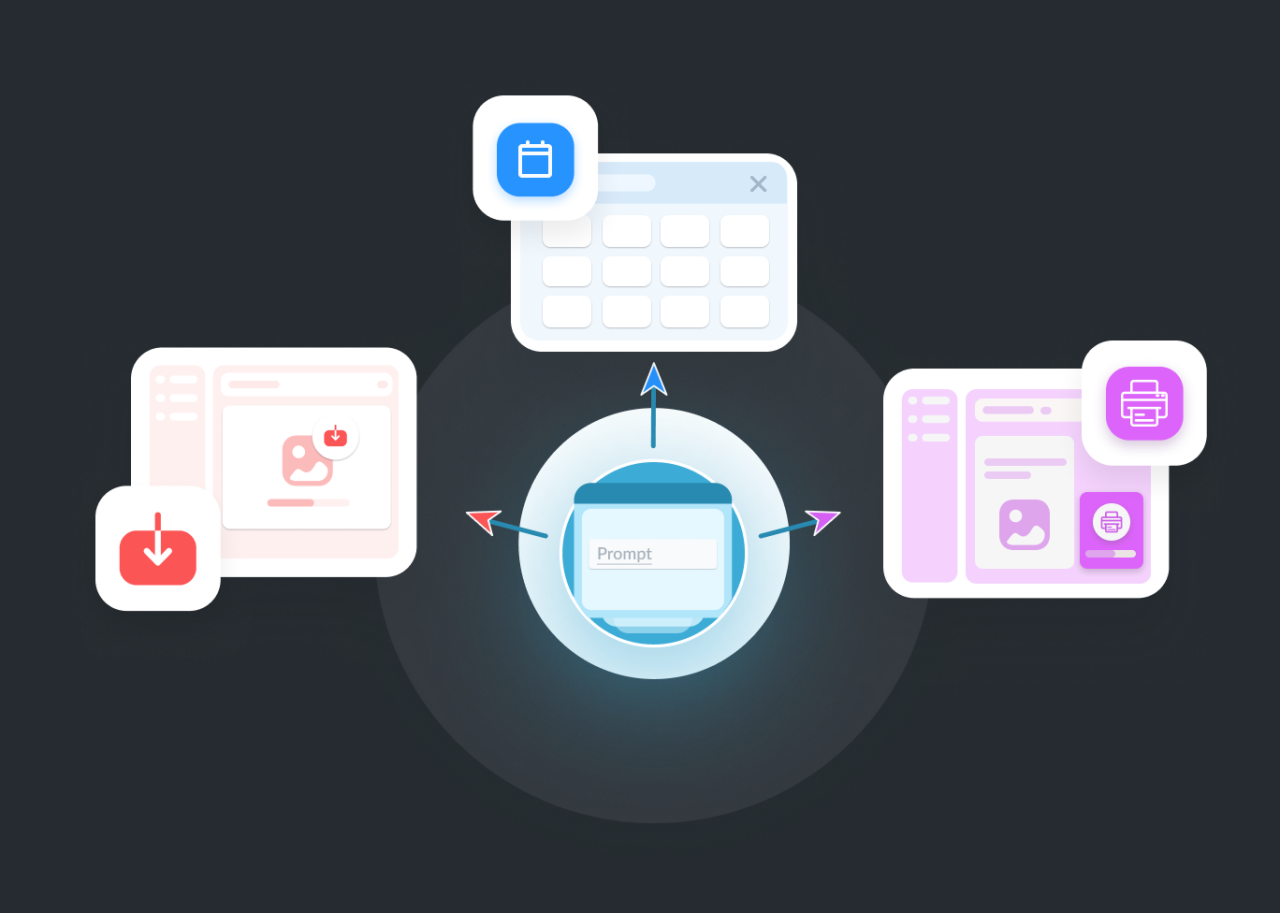
Crafting an impactful pitch deck involves more than generating slides with AI; it requires careful review, refinement, and proper exporting to ensure the presentation effectively communicates your message. This stage is crucial to eliminate errors, enhance visual appeal, and prepare the deck for delivery across various platforms and formats. Proper finalization boosts confidence and professionalism, increasing the likelihood of engaging investors, stakeholders, or clients successfully.The process of finalizing and exporting entails meticulous editing of AI-generated slides, ensuring consistency in style, clarity in messaging, and accuracy of data.
Additionally, choosing suitable export formats is essential for versatile presentation settings, whether in digital meetings, printed handouts, or embedded in websites. Implementing a comprehensive quality assurance checklist helps to identify potential issues, verify content accuracy, and confirm visual consistency before the presentation day.
Reviewing, Editing, and Polishing AI-Generated Slides
Effective refinement of AI-produced slides involves multiple steps to ensure the content aligns with your objectives and maintains a professional standard. Begin by thoroughly reviewing each slide for factual accuracy, grammatical correctness, and visual consistency. AI tools may sometimes generate content that requires manual adjustment to better suit your narrative style or clarify complex data points. Focus on enhancing visual clarity by adjusting font sizes, colors, and layouts to improve readability.
Consistency in design elements such as headers, bullet points, and iconography contributes to a cohesive look throughout the deck. Use editing features within your AI platform or presentation software to refine transitions, animations, and alignments. Seeking feedback from colleagues or mentors can offer fresh perspectives and catch overlooked details.
“A polished pitch deck should be free of typographical errors, with a clear and engaging flow that guides the audience seamlessly through your story.”
Export Options and Formats for Pitch Decks
Selecting the appropriate export format depends on the presentation setting and distribution method. Exporting your pitch deck into multiple formats ensures flexibility and accessibility across different devices and platforms. Common formats include PDF, PowerPoint (PPTX), and image files such as PNG or JPEG, each serving specific purposes.PDF files are ideal for sharing static versions that preserve formatting and are easy to distribute via email or online platforms.
PowerPoint files allow for further editing or live presentation adjustments, making them suitable for interactive sessions. Image formats are beneficial for embedding slides into websites or creating visual summaries. Advanced export options may include video formats, enabling the incorporation of narration or animated content for more engaging presentations.
| Format | Best Use | Advantages |
|---|---|---|
| Distribution, printing, static viewing | Universal compatibility, preserves layout | |
| PPTX | Editable presentations, live delivery | Editable, customizable for future updates |
| PNG/JPEG | Embedding images in websites or reports | High-quality visuals, easy sharing |
| Video | Dynamic presentations with narration | Engaging, suitable for social media |
Checklist for Quality Assurance Before Presentation
Ensuring your pitch deck is thoroughly prepared minimizes technical issues and maximizes impact during delivery. A comprehensive checklist helps you systematically verify every critical aspect of your presentation.
- Content Accuracy: Confirm all data, facts, and figures are correct and up-to-date.
- Visual Consistency: Check font styles, colors, and layout uniformity across all slides.
- Clarity and Readability: Ensure text size and contrast are appropriate for easy viewing.
- Slide Transitions and Animations: Test for smooth transitions and appropriate use of animations to avoid distractions.
- Technical Compatibility: Test the pitch deck on the equipment intended for presentation (laptop, projector, etc.) to identify and resolve compatibility issues.
- Hyperlinks and Embedded Content: Verify all links, videos, and embedded files function correctly.
- File Naming and Organization: Save files with clear names and organize versions for easy retrieval.
- Backup Copies: Create backup versions in different formats to prepare for unforeseen technical difficulties.
“A final review that includes technical checks and content verification ensures a seamless and confident presentation delivery.”
Conclusive Thoughts
Incorporating AI into your pitch deck creation process not only saves valuable time but also enhances the overall quality and effectiveness of your presentations. By following best practices and utilizing the right tools, you can deliver impactful pitches that stand out and leave lasting impressions.