Discover how to customize icons with AI to transform standard visuals into unique, tailored graphics that perfectly align with your brand or project. Leveraging advanced AI tools streamlines the design process, making it more efficient and innovative. This approach opens up new possibilities for creating visually appealing icons that stand out and resonate with your target audience.
In this guide, we explore the steps involved in using AI-driven platforms to craft personalized icons, from selecting suitable tools to refining outputs and integrating them seamlessly into your branding. Whether you’re a designer or a business owner, mastering AI icon customization offers a powerful way to elevate your visual identity with ease and precision.
Overview of customizing icons with AI
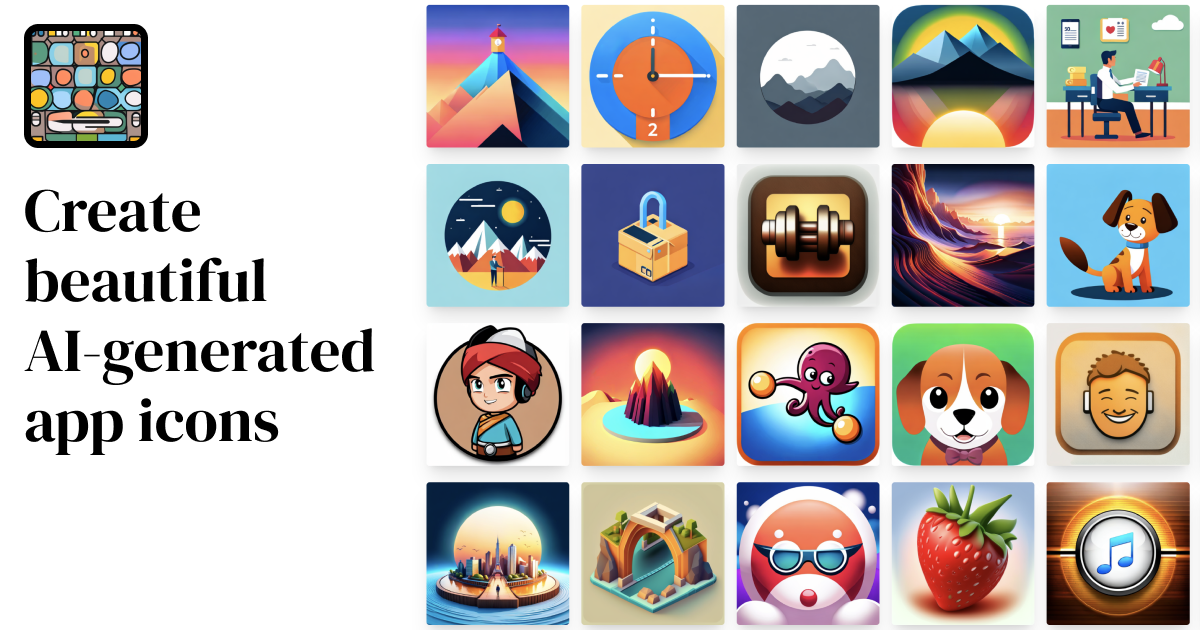
Artificial Intelligence (AI) has revolutionized the way designers and developers approach icon customization, enabling the creation of highly personalized and visually appealing icons with increased efficiency. AI-driven icon customization leverages advanced algorithms and machine learning models to generate, modify, and refine icons based on specific user preferences or project requirements. This technology streamlines the design process, reduces manual effort, and enhances creative possibilities by offering intelligent suggestions and automatic adaptations.
By utilizing AI tools, users can rapidly develop icons that align with brand identity, aesthetic preferences, or functional needs. This approach not only accelerates workflows but also opens avenues for innovative designs that might be difficult to achieve manually. The integration of AI into icon customization supports a collaborative environment where human creativity is augmented by machine intelligence, resulting in more refined and contextually appropriate iconography.
Typical workflow for designing personalized icons using AI tools
Designing icons with AI involves a series of systematic steps that combine user input, AI processing, and output refinement. Understanding this flow ensures efficient utilization of AI technology for optimal results.
| Stage | Description | Key Activities |
|---|---|---|
| Input | The initial phase where user preferences, style guidelines, and specific requirements are provided to the AI tool. This may include sketches, color schemes, or reference icons. |
|
| AI Processing | The core phase where the AI algorithm interprets input data, applies learned styles, and generates icon variations. Machine learning models analyze patterns and adapt designs accordingly. |
|
| Output | The final stage involves reviewing AI-generated icons, selecting the most suitable designs, and performing any necessary adjustments to meet specific needs or standards. |
|
“AI-driven icon customization simplifies complex design tasks, enabling rapid prototyping and personalized visual assets that meet precise user specifications.”
Selecting AI tools and platforms for icon customization

Choosing the appropriate AI tools and platforms is a critical step in streamlining the process of customizing icons. The right platform can significantly influence the quality, efficiency, and versatility of your icon design projects. With numerous options available today, understanding the features, usability, and output capabilities of each AI-based tool allows designers to make informed decisions that best suit their specific needs.
In this section, we will explore some of the most popular AI platforms and software suitable for icon customization, compare their core features, usability, and output quality, and present a comprehensive comparison table to facilitate easy evaluation.
Popular AI platforms and software suitable for icon design
Numerous AI-powered tools have emerged as valuable resources for icon customization, each offering unique features tailored to different levels of expertise and project requirements. These platforms leverage machine learning algorithms to generate, modify, and enhance icons with minimal manual effort, providing designers with a broad spectrum of creative options.
- Adobe Firefly: An extension of Adobe’s creative suite, Firefly offers AI-driven design capabilities, including icon generation, style transfer, and customization tools integrated within the Adobe ecosystem, ensuring seamless workflow integration.
- DALL·E 2: Developed by OpenAI, DALL·E 2 is renowned for generating high-quality images from textual prompts, which can be refined to create bespoke icons with detailed customization options.
- Canva AI Tools: Canva incorporates AI features that assist in quick icon creation and editing, making it accessible for users with varying design skills. Its user-friendly interface simplifies customization processes.
- Figma with Plugins: Figma’s plugin ecosystem includes AI-powered tools like Iconify and Magician, enabling designers to generate, modify, and personalize icons directly within the interface.
- Logojoy (now Looka): Focused on logo and icon design, Looka uses AI algorithms to generate a variety of icon styles based on user preferences and customization inputs.
Comparison of features, usability, and output quality of AI icon customization tools
Evaluating AI tools for icon customization requires analyzing various aspects, including their core features, ease of use, and the quality of generated outputs. The following insights offer a clearer perspective on what each platform provides:
Features: Most platforms offer capabilities such as template-based design, style transfer, color customization, and direct editing tools, with some integrating advanced AI-driven suggestions or automatic generation based on textual prompts.
Usability: User experience varies; platforms like Canva and Figma prioritize intuitive interfaces suitable for beginners, whereas Adobe Firefly and DALL·E 2 cater to more advanced users who require detailed customization options and integration with existing workflows.
Output Quality: The quality of icons generated depends on the platform’s AI model sophistication. DALL·E 2 and Adobe Firefly tend to produce highly detailed and versatile icons, suitable for professional use. Conversely, simpler tools may generate more stylized or less detailed outputs, ideal for quick prototypes.
| Platform Name | Features | Pricing | Supported Formats |
|---|---|---|---|
| Adobe Firefly | AI image generation, style transfer, seamless Adobe integration | Subscription-based (Part of Adobe Creative Cloud) | PNG, SVG, JPEG |
| DALL·E 2 | Text-to-image generation, detailed customization | Pay-per-image credits or subscription plans | PNG, JPEG |
| Canva AI Tools | Templates, drag-and-drop editing, AI suggestions | Free tier with premium subscription options | PNG, SVG, PDF |
| Figma with Plugins | Plugin-based AI generation, collaborative editing | Free plan with paid upgrades | SVG, PNG, JPG |
| Looka (Logojoy) | AI-driven logo and icon design, customization tools | Pay per logo or subscription plans | PNG, SVG |
Designing Icons with AI

Harnessing AI for icon design offers a transformative approach that combines creativity with efficiency. By leveraging advanced algorithms, designers can generate a wide array of icon variations that suit diverse styles and purposes. This process involves inputting specific data into AI tools, refining generated outputs, and iteratively improving designs to meet precise specifications. Understanding the techniques and procedures for designing icons with AI can significantly streamline the creative workflow and elevate the quality of visual assets.
AI-driven icon design encompasses a series of systematic steps that enable users to produce, evaluate, and perfect icon concepts swiftly. Through careful data input, iterative refinement, and strategic adjustments, designers can achieve highly customized icons that align with branding, usability, and aesthetic goals. The following sections detail the practical procedures for utilizing AI tools effectively in the icon design process, with illustrative examples that demonstrate how to optimize outputs through an iterative approach.
Techniques and Procedures for Designing Icons with AI
Designing icons with AI involves a structured workflow that maximizes the potential of the technology. This includes preparing input data, generating initial variations, refining outputs, and iteratively improving the designs to fulfill specific criteria. Each stage requires attention to detail and an understanding of the capabilities of your chosen AI platform to ensure the final icons are both functional and visually appealing.
To achieve the best results, follow these key procedures:
- Input Data Preparation: Gather relevant reference images, style guidelines, and descriptive s that precisely define the desired icon characteristics. This data acts as the foundation upon which AI models generate variants.
- Generating Initial Variations: Use AI tools to create multiple icon options based on your inputs. Adjust parameters such as style, color palette, and complexity to obtain diverse outputs, expanding creative possibilities.
- Assessing AI Outputs: Review generated icons critically, selecting the most promising options that align with the original design brief and usability standards.
- Refining and Customizing: Modify selected icons by inputting feedback into the AI system—this may include adjusting color schemes, simplifying shapes, or enhancing clarity. Many AI platforms allow for direct editing or re-generation based on updated parameters.
- Iterative Enhancement: Repeat the generation and refinement process, progressively narrowing down to icons that best meet your specifications. This cyclical approach ensures continuous improvement and alignment with project goals.
Below is an example illustrating the effectiveness of iterative AI-assisted icon refinement:
| Initial AI Output | Refined AI Output |
|---|---|
Example 1Generated icon features a rounded, simplified house shape with a blue color palette, but lacks detail for small-scale use. |
Example 2After refinement, the icon maintains the house silhouette but introduces sharper lines, a more vibrant color, and added window details for clarity across sizes. |
Example 3Original output of a user icon has basic features with minimal depth, suitable for casual applications. |
Example 4Refined version enhances contrast, adds subtle shading, and incorporates minimalistic elements to improve visual impact at various resolutions. |
By following these steps—inputting tailored data, generating multiple options, evaluating outputs critically, and iteratively refining—the process of designing icons with AI becomes a dynamic and productive endeavor. Such an approach ensures that the final icons are not only innovative but also precisely aligned with the intended design specifications, making AI a powerful tool for modern icon creation.
Conclusion
In conclusion, customizing icons with AI provides a versatile and efficient method to develop distinctive visuals that enhance your digital presence. By understanding the workflow, selecting appropriate tools, and applying best practices, you can create icons that are both functional and aesthetically compelling. Embracing AI in icon design paves the way for innovative branding and creative expression.