Learning how to generate charts with AI opens new avenues for transforming complex data into clear, impactful visuals efficiently. By harnessing artificial intelligence tools, users can automate the creation of diverse chart types, customize visual elements, and enhance overall data presentation with minimal manual effort. This approach not only accelerates the visualization process but also allows for tailored and dynamic representations that adapt to various analytical needs.
Implementing AI-driven chart generation involves understanding suitable chart types, preparing your data correctly, selecting appropriate platforms, and following structured workflows. These steps ensure high-quality outputs that improve data interpretation and decision-making across different applications, especially within WordPress environments where seamless integration is essential.
Overview of AI-driven Chart Generation
Artificial Intelligence (AI) has revolutionized the way data visualizations are created, offering automated solutions that streamline the generation of insightful and visually appealing charts. By leveraging sophisticated algorithms and machine learning models, AI-driven chart generation transforms raw data into meaningful visual representations with minimal manual intervention. This technological advancement empowers users across various industries to communicate complex information more effectively and efficiently.
The integration of AI tools in chart creation offers numerous benefits, including significant improvements in speed, accuracy, and customization. Automating the process reduces the time required to produce charts, allowing analysts and decision-makers to focus on data interpretation rather than the mechanics of visualization. Additionally, AI algorithms can adapt chart styles and formats based on specific data types, audience preferences, or presentation contexts, ensuring that visualizations are both relevant and engaging.
Benefits of Automating Chart Creation with AI
Automating chart creation through AI enhances data visualization processes by providing rapid, consistent, and tailored outputs. This automation minimizes human errors and ensures that charts adhere to best practices in data storytelling. Moreover, AI-powered tools can interpret complex datasets, identify key trends, and suggest the most appropriate chart types for various data scenarios, enabling more impactful insights.
Efficiency and customization are core advantages of AI-driven chart generation, transforming how organizations visualize data and communicate findings effectively.
Scenarios Enhancing Data Visualization with AI-generated Charts
Numerous real-world scenarios benefit from AI-generated charts, particularly where large volumes of data or dynamic datasets are involved. For instance, financial institutions utilize AI tools to create real-time stock market trend charts, enabling traders to make swift decisions based on up-to-date visual summaries. In healthcare, AI visualizations assist in monitoring patient data trends over time, facilitating early detection of anomalies or disease outbreaks.
Additionally, marketing teams employ AI-generated dashboards to visualize campaign performance metrics, allowing for quick adjustments and strategic planning.
Types of Charts Suitable for AI Generation
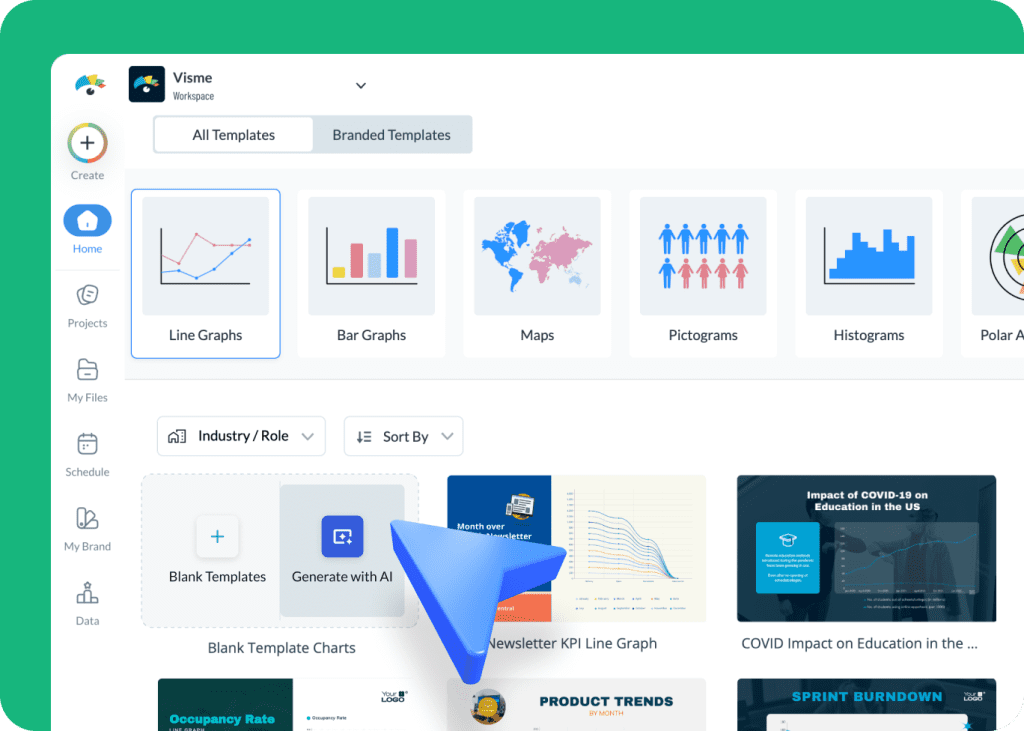
Understanding the types of charts that are most compatible with AI-driven generation is crucial for effective data visualization. Different chart types serve various analytical and presentation purposes, and their suitability for AI automation depends on their complexity, data structure, and visual clarity. Recognizing these distinctions allows users to select the appropriate chart types that can be efficiently generated and customized through AI tools, streamlining the visualization process and enhancing interpretability.
AI algorithms are particularly effective at creating certain chart types that rely on structured, well-defined data inputs. Charts that have clear, standardized formats and straightforward visual representations tend to be more suitable for automation. Conversely, more complex or highly stylized charts may require additional customization or manual adjustments. Below, key chart types commonly used in data visualization are detailed alongside their features and applications, organized into a comprehensive table for clarity and ease of understanding.
Common Chart Types and Their Suitability for AI Automation
| Chart Name | Description | Typical Applications | Preferred Data Formats |
|---|---|---|---|
| Bar Chart | A chart that uses rectangular bars to represent and compare categorical data, with lengths proportional to values. | Sales comparisons, survey results, frequency distributions, demographic data analysis. | CSV, JSON, Excel spreadsheets with categorical and numerical data. |
| Line Chart | Displays information as a series of data points connected by straight lines, ideal for showing trends over time. | Stock prices, temperature changes, website traffic analytics, sales over months. | Time-series data in CSV, JSON, or Excel formats with sequential data points. |
| Pie Chart | Represents parts of a whole as proportional slices of a circle, useful for illustrating percentages. | Market share, budget allocations, survey response proportions. | Categorical labels with corresponding percentage or count data, commonly in CSV or JSON formats. |
| Scatter Plot | Uses dots to represent values for two different variables, revealing correlations or distributions within data. | Correlation between variables, identifying clusters, outlier detection. | Numerical data in CSV or JSON, with paired x and y values. |
| Heatmap | A two-dimensional representation where individual values are represented by color intensity, highlighting patterns. | Correlation matrices, geographic data, website click heatmaps, gene expression data. | Matrix data in CSV or JSON, with categorical or numerical axes. |
Charts suitable for AI generation typically share features such as structured data input, clear visual boundaries, and standardized formats. Simplicity in design and data organization enhances AI’s ability to produce accurate, consistent, and visually appealing charts. The choice of chart type depends on the specific data story to be told, as well as the nature of the data itself, ensuring that the visualization effectively communicates insights while leveraging AI capabilities for automation.
AI Tools and Platforms for Chart Generation
Leveraging AI-driven tools and platforms significantly enhances the efficiency and creativity involved in generating visual data representations. These solutions range from user-friendly online platforms to robust open-source libraries, enabling users with varying levels of technical expertise to create insightful and aesthetically appealing charts. The choice of platform often depends on specific requirements such as integration capabilities, customization options, and budget considerations.
In this section, we explore some of the most popular AI-based chart creation platforms, compare open-source and commercial options, and provide a comprehensive overview through a detailed comparison table. This will help users select the most suitable tool according to their project needs, technical skills, and financial constraints.
Popular AI-Based Chart Creation Platforms
Several platforms have gained recognition for their ability to generate high-quality charts using artificial intelligence. These platforms typically offer features such as automated data analysis, customizable templates, and seamless integration with existing data workflows. Some of the most notable include:
- ChartGPT: An AI-powered platform designed for quick generation of a variety of charts based on natural language inputs. It supports integration with cloud storage and data management tools.
- Datalab AI: Focused on data scientists and analysts, this platform offers advanced AI algorithms to automate data visualization, including predictive analytics and real-time updates.
- VisuAI: Known for its user-friendly interface, VisuAI provides a wide range of customizable chart types and integrates easily with popular data analysis tools like Excel and Tableau via APIs.
- DataRobot: A comprehensive AI platform that combines data modeling and visualization capabilities, supporting complex visualizations alongside predictive analytics.
Open-Source Libraries versus Commercial Software
When selecting tools for AI-generated visualizations, it is essential to consider the differences between open-source libraries and commercial software. Each offers distinct advantages that cater to different user needs.
Open-source libraries are highly customizable and freely available, making them ideal for developers and organizations seeking tailored solutions without licensing costs. Popular libraries include:
- Plotly: An open-source graphing library that supports interactive charts and integrates with Python, R, and JavaScript. Its AI integrations facilitate automated chart generation based on data parameters.
- Matplotlib: While traditionally used for static visualizations, it can be extended with AI plugins to automate chart creation based on data analysis.
- Seaborn: Built on top of Matplotlib, it offers higher-level interfaces for attractive statistical graphics, with potential for AI-driven automation through scripting.
Commercial software, such as Tableau, Power BI, and QlikView, provides sophisticated interfaces, extensive support, and enterprise-grade features. They often include AI-powered functionalities like natural language queries, predictive insights, and automated visualization recommendations, which streamline the data storytelling process and are ideal for organizations seeking turnkey solutions.
Summary of Tools, Capabilities, Supported Chart Types, and Pricing Models
| Tool | Capabilities | Supported Chart Types | Pricing Models |
|---|---|---|---|
| ChartGPT | Natural language input, automated chart generation, cloud integration | Line, Bar, Pie, Scatter, Heatmaps, Custom | Subscription-based, freemium options available |
| Datalab AI | Predictive analytics, real-time updates, automation for data analysis | Line, Bar, Area, Radar, Sankey, Custom | Enterprise licensing, custom pricing |
| VisuAI | Drag-and-drop interface, API integrations, AI suggestions for chart types | Bar, Pie, Line, Area, Bubble, Geo Maps | Subscription plans, tiered pricing based on usage |
| Plotly | Open-source, interactive visualizations, scripting support for automation | Line, Bar, Scatter, Heatmap, 3D, Geospatial | Free; enterprise options available with support |
| Tableau | Advanced AI features like Ask Data for natural language queries, extensive visualization options | Varied (Bar, Line, Pie, Tree Maps, Gantt, etc.) | Subscription-based, license pricing varies |
Step-by-Step Procedures for Generating Charts with AI
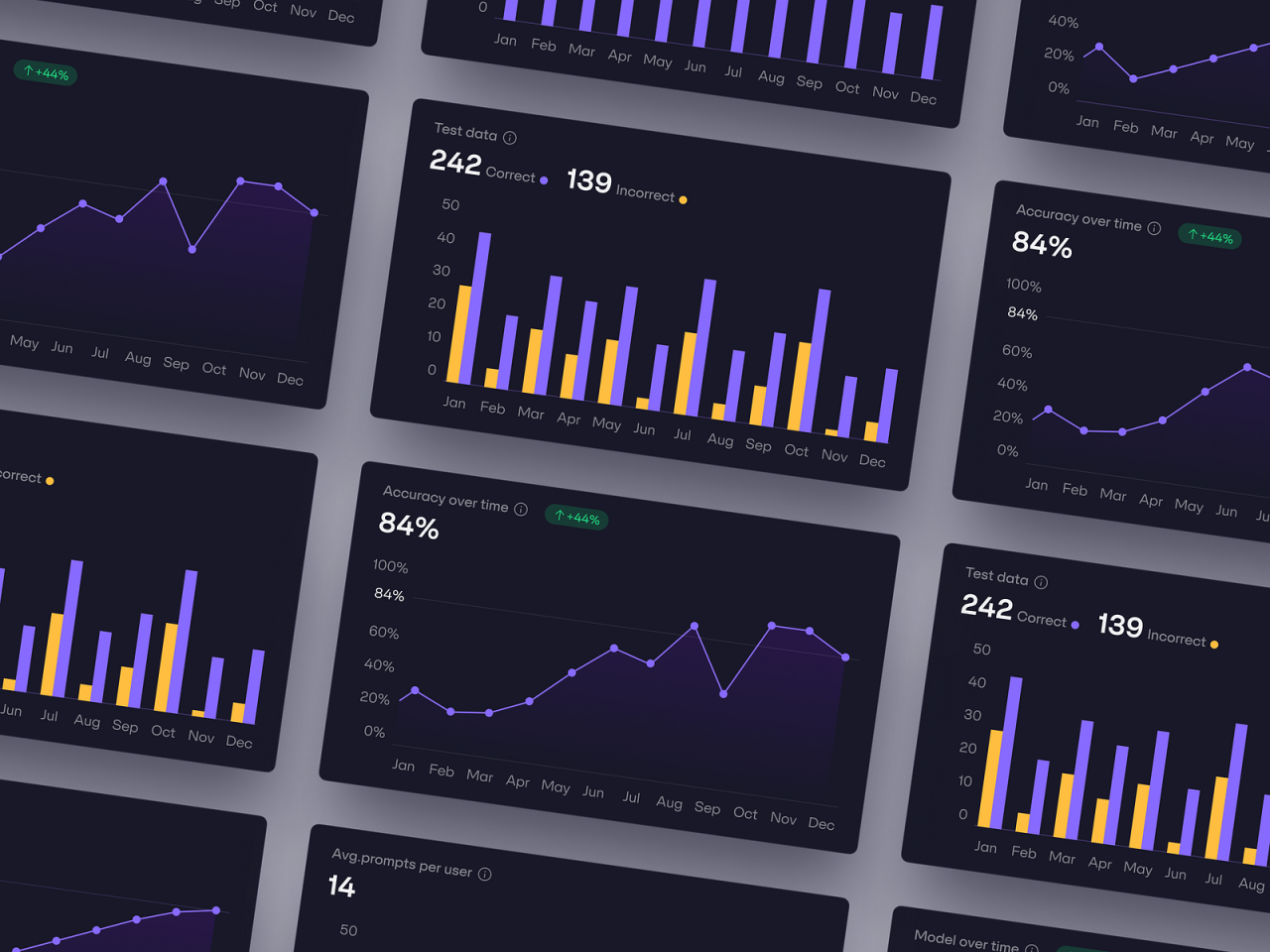
Creating visual representations of data through AI involves a systematic process that ensures accuracy, clarity, and effectiveness. This structured approach enables users to leverage AI-powered tools to produce insightful charts efficiently, from data input to final output customization. Understanding each phase of this workflow helps in optimizing the use of AI platforms and achieving professional-quality visualizations.
By following a clear, organized process, users can seamlessly integrate data, select appropriate chart types, fine-tune visual elements, and generate high-quality graphics suitable for presentations, reports, or analysis. The subsequent steps provide a comprehensive guide to navigating this process effectively.
Organized Process Flow for AI-Generated Charts
Below is a detailed process flow that guides users through each critical phase—data input, model selection, customization, and output—using an illustrative table for clarity. This structured approach ensures consistency, reproducibility, and optimal visualization results when generating charts with AI tools.
| Data Input | Model Selection | Customization | Output |
|---|---|---|---|
|
|
|
|
Configuring AI Parameters for Optimal Visualization
Effective chart generation with AI relies heavily on proper parameter configuration. Adjusting these settings ensures that the visual output aligns well with analytical objectives and enhances interpretability. Key parameters include color palettes, axis scaling, data labels, and interactivity options.
For instance, choosing a color palette that contrasts well and aligns with branding can improve visual impact. Setting appropriate axis scales—linear or logarithmic—can better represent data ranges, especially in cases involving exponential growth or wide variances. Data labels and tooltips should be customized to display relevant information without cluttering the visualization.
Advanced AI tools may also allow for automation of parameter tuning by analyzing data distributions or patterns, thereby recommending optimal settings. Careful configuration of these parameters contributes significantly to creating clear, insightful, and aesthetically pleasing charts.
Designing Custom Charts Using AI
Utilizing AI to craft tailored visualizations enables organizations and individuals to produce graphics that precisely align with their branding, presentation goals, and audience preferences. This approach not only enhances the aesthetic appeal of charts but also ensures that they effectively communicate the intended message in a visually cohesive manner. AI-driven customization offers a streamlined process for integrating specific styles, colors, and interactive features into your data visualizations, making them more relevant and engaging.
By leveraging advanced AI tools, users can develop highly personalized charts that reflect their unique visual identity or thematic requirements. From selecting brand-specific color palettes to adding annotations that highlight key insights, AI facilitates a flexible and efficient customization workflow. Incorporating user preferences into AI-generated charts ensures consistency with branding guidelines while maintaining clarity and visual appeal.
Developing Tailored Visualizations Aligned with Branding or Presentation Styles
AI platforms can be programmed or guided to generate charts that adhere to predefined visual standards, such as specific color schemes, font choices, and layout preferences. This customization process begins with inputting branding elements or stylistic directives into the AI system, which then produces visualizations that naturally align with these standards. Such tailored charts help reinforce brand identity and create a cohesive visual narrative across reports or presentations.
Incorporating User Preferences into AI Chart Generation
To ensure that AI-generated charts meet user expectations, it is essential to provide detailed input regarding preferred styles, annotations, and interactive features. Incorporating user feedback during the design process allows for iterative adjustments, resulting in visualizations that are both functional and visually aligned with the user’s vision. AI tools often include customization modules where users can specify color schemes, add descriptive labels, or enable interactive elements such as tooltips or clickable regions.
Methods for Designing Custom Color Schemes, Annotations, and Interactive Features
Customizing charts with AI involves specific procedures that enhance visual impact and usability. Below are example methods to achieve this:
- Designing Custom Color Schemes: Use AI color palette generators that analyze your brand colors or desired aesthetics. Input your preferred color codes or select from suggested palettes to ensure consistency. AI can automatically apply these colors across different chart elements, such as bars, lines, or segments.
- Adding Annotations: Incorporate AI-driven annotation tools that highlight key data points or trends. Users can specify which insights to emphasize, and the AI will generate labels, arrows, or text boxes accordingly. For example, annotating peak sales periods or significant anomalies directly on the chart.
- Enabling Interactive Features: Integrate AI-powered interactive elements such as hover tooltips, clickable data points, or zoom functionalities. These features enhance user engagement and facilitate deeper data exploration. AI platforms can automatically embed these features based on user preferences or specific use cases, like dashboards for real-time data monitoring.
Effective customization combines aesthetic coherence with functional interactivity, ensuring that charts are both visually appealing and user-friendly.
Enhancing Charts with Descriptive Elements
Creating visually compelling charts is essential, but augmenting them with detailed descriptive elements significantly improves their clarity and interpretability. Incorporating AI-generated labels, tooltips, and annotations transforms static visuals into interactive and informative tools that effectively communicate insights to viewers. Leveraging AI’s capabilities for generating descriptive content ensures that every element of the chart is purposeful, accurately labeled, and contextually enriched, thereby elevating the overall quality of data presentation.
Accurate and well-crafted descriptive elements are crucial for enabling viewers to grasp complex data patterns quickly and effectively. AI-driven techniques facilitate the automatic creation of these elements, which include detailed labels, dynamic tooltips, and notes, all tailored to the specific dataset and visualization style. Proper integration of these descriptions ensures that charts are not only visually appealing but also highly informative, aiding in decision-making and data analysis processes.
Techniques for Adding Detailed Labels, Tooltips, and Notes
Effective enhancement of charts involves employing various AI-assisted methods to generate and incorporate descriptive elements that add depth to visual data. These techniques include the automatic generation of labels that clearly identify data points or categories, the implementation of interactive tooltips that provide additional context upon hovering, and the inclusion of notes that clarify complex patterns or anomalies. AI algorithms can analyze the underlying data to produce relevant, concise, and insightful descriptions that adapt dynamically to the dataset’s characteristics.For example, AI can suggest precise labels for specific data segments, such as indicating “Peak Sales in Q4” or “Anomaly Detected in Region A,” based on pattern recognition.
Tooltips can be designed to display detailed information, such as exact numerical values, percentages, or contextual explanations, when users interact with chart elements. notes can be embedded directly into the chart layout or made accessible through interactive features, offering narratives that guide viewers through the data story effectively.
Methods for Integrating Descriptive Text via HTML or Markdown
Integrating descriptive elements into charts can be efficiently achieved using HTML or markdown, enabling seamless embedding of labels, annotations, and notes. HTML provides a flexible framework for customizing the appearance and positioning of descriptive content, while markdown offers a straightforward method for embedding text within documentation or web pages accompanying visualizations.To embed descriptive annotations directly into charts, consider the following methods:
- Using HTML
<div>or<span>tags to overlay labels or notes positioned precisely with CSS styling. For example, placing a label at a specific point:<div style="position:absolute; left: Xpx; top: Ypx; font-weight:bold;">Peak Q4 Sales</div> - Embedding tooltips using HTML attributes such as
titlefor simple hover explanations:<circle cx="100" cy="50" r="5" title="Sales increased by 20% in Q2"></circle> - Utilizing markdown syntax within chart descriptions or documentation to create emphasized notes or summaries, which can be rendered in reports or dashboards supporting markdown rendering.
These methods allow dynamic and contextually relevant annotations that enhance user understanding without cluttering the visual space.
“Effective descriptive elements transform static charts into interactive storytelling tools, making complex data accessible and engaging.”
-Data Visualization Best Practices
Best Practices for Effective AI-Generated Charts

Generating impactful and accurate charts with AI requires adhering to specific best practices that ensure clarity, precision, and visual appeal. As AI tools become more integral to data visualization workflows, understanding these guidelines helps users maximize the potential of AI-driven chart creation while maintaining high standards of quality and reliability. Proper implementation of these practices not only enhances the aesthetic quality of visualizations but also ensures that they communicate data insights effectively and responsibly.
Effective AI-generated charts depend on careful preparation, validation, and thoughtful design choices. These practices serve as a bridge between automated generation capabilities and human expertise, ensuring that automated visualizations meet professional standards and serve their intended purpose without misleading or confusing viewers.
Ensuring Clarity, Accuracy, and Visual Appeal
To produce charts that are both visually appealing and easy to interpret, it is essential to prioritize clarity and accuracy throughout the generation process. This involves selecting appropriate chart types, choosing suitable color schemes, and employing clear labels and legends. AI tools often offer customization options; leveraging these appropriately helps in avoiding cluttered or overly complex visuals. Ensuring that data points are accurately represented, with correct scaling and labeling, prevents misinterpretation and maintains credibility.
Visual appeal can be enhanced by balancing design elements such as colors, fonts, and spacing. Consistent use of color palettes, avoiding excessive decoration, and emphasizing key data points contribute to an engaging yet professional appearance. Additionally, ensuring that charts are accessible to color-blind users or those with visual impairments is a crucial aspect of inclusive design.
Validating Data Integrity and Avoiding Common Pitfalls
Data validation is fundamental to trustworthy AI-generated visualizations. Before initiating chart creation, verify that the source data is accurate, complete, and free of errors. Cross-check data with original sources or perform statistical validations where applicable. AI tools typically process data automatically, but discrepancies can occur due to input errors or misinterpretations.
Common pitfalls include misrepresenting data through inappropriate chart types, misleading axes scales, or exaggerated data ranges. These can distort insights and lead to incorrect conclusions. To avoid such issues, always review generated charts critically, comparing them with raw data and ensuring that visual representations faithfully reflect underlying information.
Regularly updating data and reviewing charts for inconsistencies helps maintain integrity over time. Using validation techniques such as consistency checks, outlier analysis, and data audits enhances confidence in the visualization outputs.
Key Principles for Designing Impactful Charts
Understanding and applying core design principles is vital for creating impactful charts that effectively communicate data insights. The following key principles serve as foundational guidelines:
- Simplicity: Focus on clarity by reducing unnecessary elements and avoiding clutter. Use minimalistic designs that highlight key data points.
- Accuracy: Ensure all data representations are truthful, with correct scales, labels, and proportions.
- Consistency: Maintain uniform styles, colors, and fonts throughout multiple charts to facilitate comparison and comprehension.
- Relevance: Select chart types and design elements that best suit the nature of the data and the message intended.
- Readability: Use legible fonts, appropriate font sizes, and adequate spacing to make charts easy to interpret.
- Color Usage: Apply colors thoughtfully, avoiding overly bright or conflicting palettes, and ensure accessibility considerations are met.
- Context: Provide sufficient labels, titles, and annotations to guide viewers in understanding the chart’s purpose and key takeaways.
- Data Hierarchy: Emphasize important data points or trends using size, color, or positioning to draw viewers’ attention effectively.
Applying these principles consistently across all AI-generated visualizations enhances their effectiveness, making complex data more understandable and actionable for diverse audiences.
Comparing AI-Generated Charts to Traditional Methods
As organizations and individuals increasingly turn to AI-driven solutions for data visualization, understanding the differences between AI-generated charts and those produced through traditional manual methods becomes essential. This comparison highlights the efficiencies, limitations, and suitability of each approach, enabling informed decisions based on specific project needs, resource availability, and desired outcomes.
While traditional chart creation relies heavily on manual input, design expertise, and iterative adjustments, AI-based tools leverage automation, machine learning, and predefined algorithms to generate visualizations rapidly. Recognizing the unique advantages and limitations of each approach can optimize workflow, enhance data storytelling, and ensure the best use of available resources.
Comparison Table of AI-Generated Charts and Traditional Methods
| Criteria | AI-Generated Charts | Traditional Manual Charts |
|---|---|---|
| Effort |
AI tools significantly reduce the time and physical effort required to generate charts. Once data is prepared, AI algorithms can instantly produce multiple visualization options, saving hours of manual work. For example, a financial analyst can upload quarterly sales data and receive several chart formats within seconds, enabling quick comparisons and decision-making. |
Manual chart creation demands extensive effort, including data cleaning, selecting appropriate chart types, designing layouts, and fine-tuning visual elements. This process can be time-consuming and requires a high level of expertise. Experienced data analysts or designers often spend hours to days developing a single, polished chart, especially when dealing with complex datasets. |
| Flexibility |
AI tools excel in rapid adjustments and generating multiple variants based on user preferences or additional data inputs, facilitating quick exploration of different visualization styles. However, AI may have limitations in accommodating highly specialized or unconventional design requests without additional customization. |
Manual methods offer high levels of customization, allowing designers to precisely control every visual element, color scheme, annotation, and layout to meet specific branding or presentation standards. This flexibility is crucial when crafting unique visual narratives or adhering to strict design guidelines. |
| Scalability |
AI-driven chart generation scales efficiently for large datasets and high-volume tasks. Automation enables organizations to produce numerous visualizations rapidly, supporting data dashboards or reporting pipelines. For instance, real-time dashboards updating hundreds of charts can be handled seamlessly with AI tools. |
Manual chart creation is less scalable, as each visualization requires individual attention and effort. Automating large-scale projects involves significant time investments and may necessitate custom scripting or software development. This approach is best suited for small to medium-sized projects or highly customized visualizations where precision is paramount. |
| Quality |
AI-generated charts can achieve high-quality visualizations that adhere to best practices, especially when algorithms are well-designed and datasets are structured correctly. Consistency and speed are key advantages. Nonetheless, AI may sometimes produce generic or less context-aware visuals, potentially overlooking nuances that a skilled designer would consider. |
Manual chart creation allows for meticulous quality control, enabling designers to incorporate context, thematic elements, and storytelling aspects that enhance interpretability and aesthetic appeal. Expert designers can craft highly tailored visualizations that resonate better with target audiences, especially for marketing or executive presentations. |
In summary: AI-driven chart generation enhances efficiency and scalability, making it ideal for routine, high-volume, or real-time visualizations. Traditional methods, on the other hand, excel in delivering highly customized, nuanced, and context-aware visualizations that require artistic judgment and detailed control.
Last Word
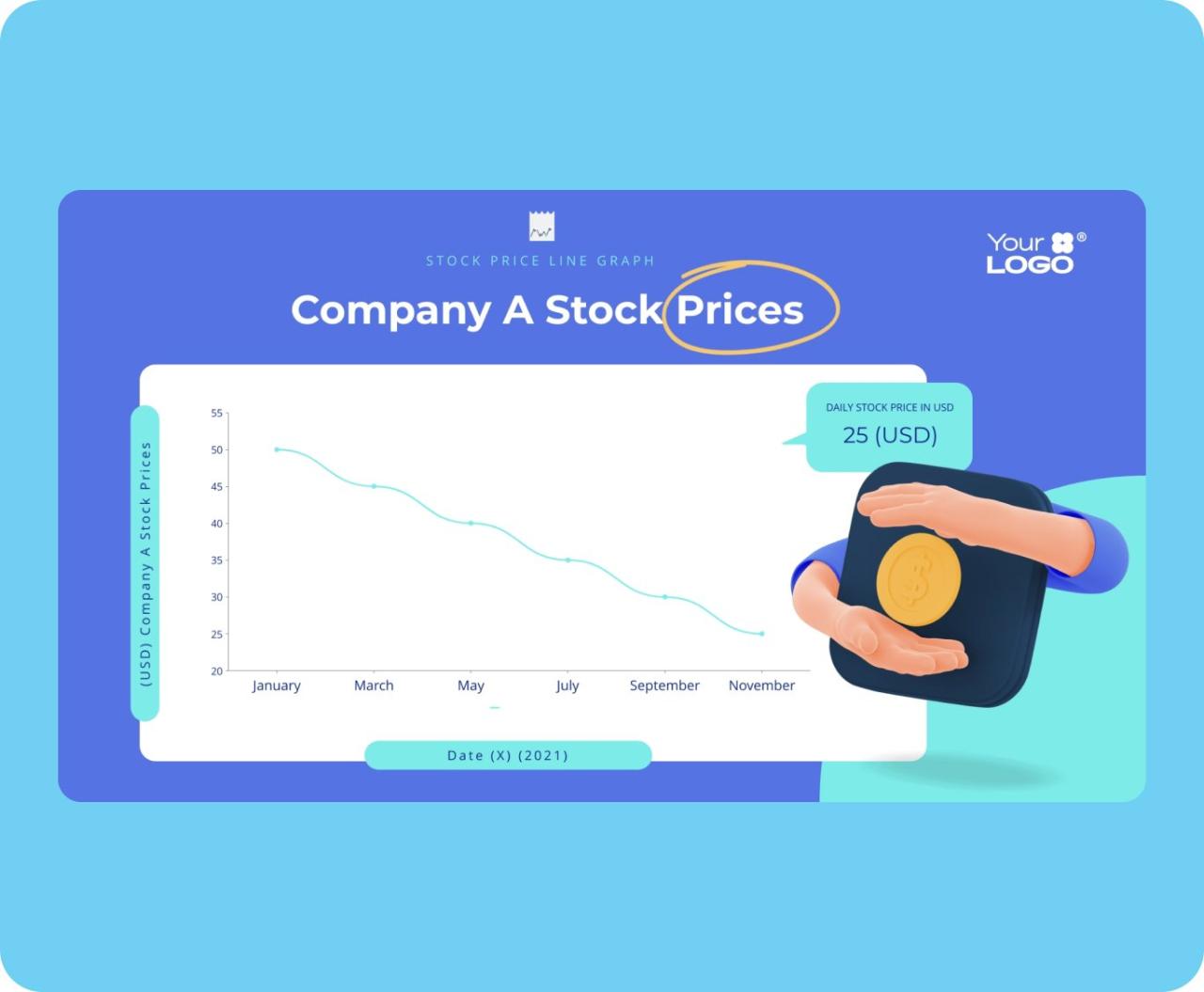
In conclusion, mastering how to generate charts with AI significantly elevates the way data is visualized, offering benefits of speed, customization, and scalability. By leveraging these innovative techniques, users can produce visually appealing and accurate charts that enhance communication and insights. Embracing AI tools for chart creation paves the way for more efficient and impactful data storytelling in various professional contexts.